

Каталог▲▼
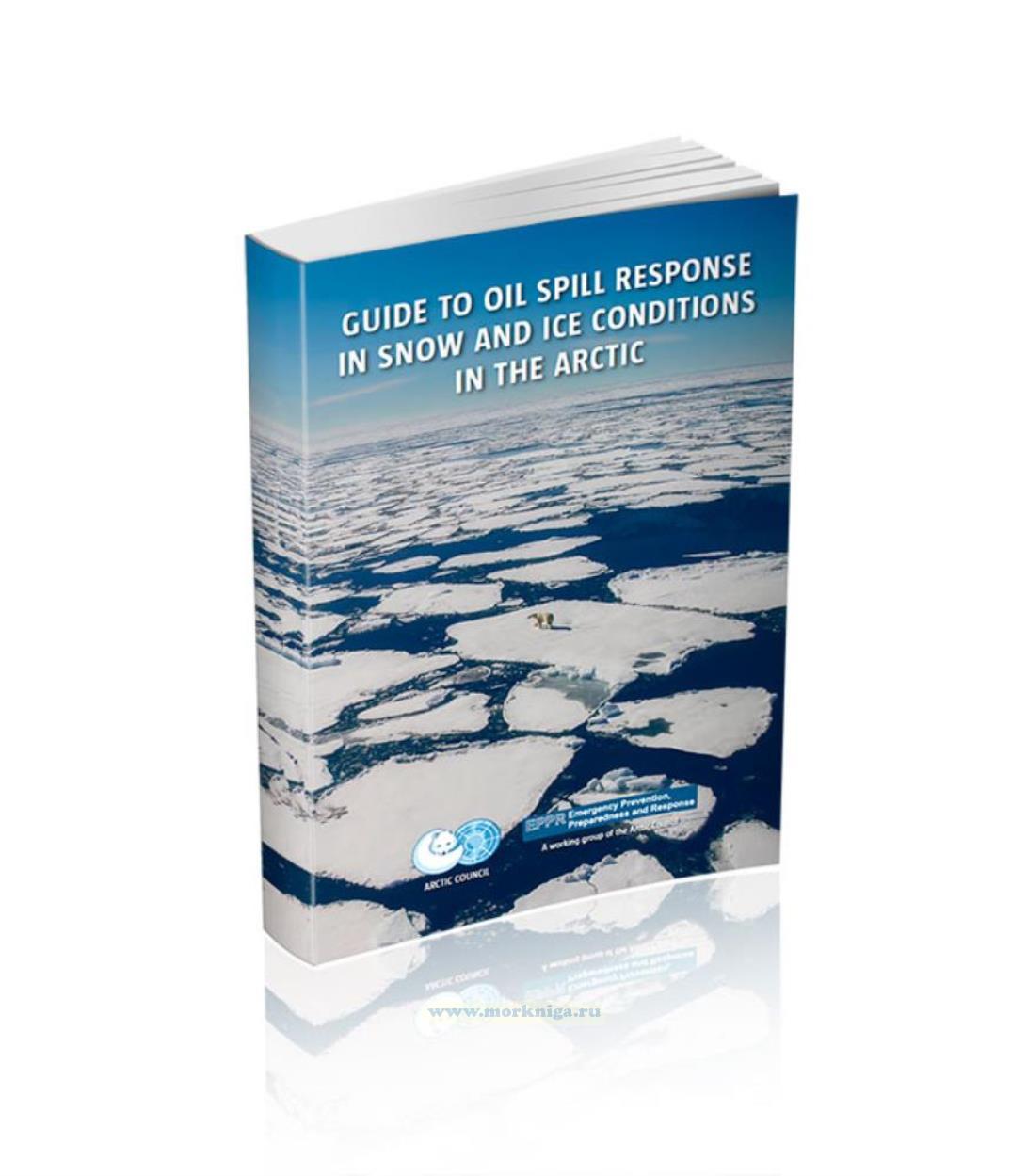
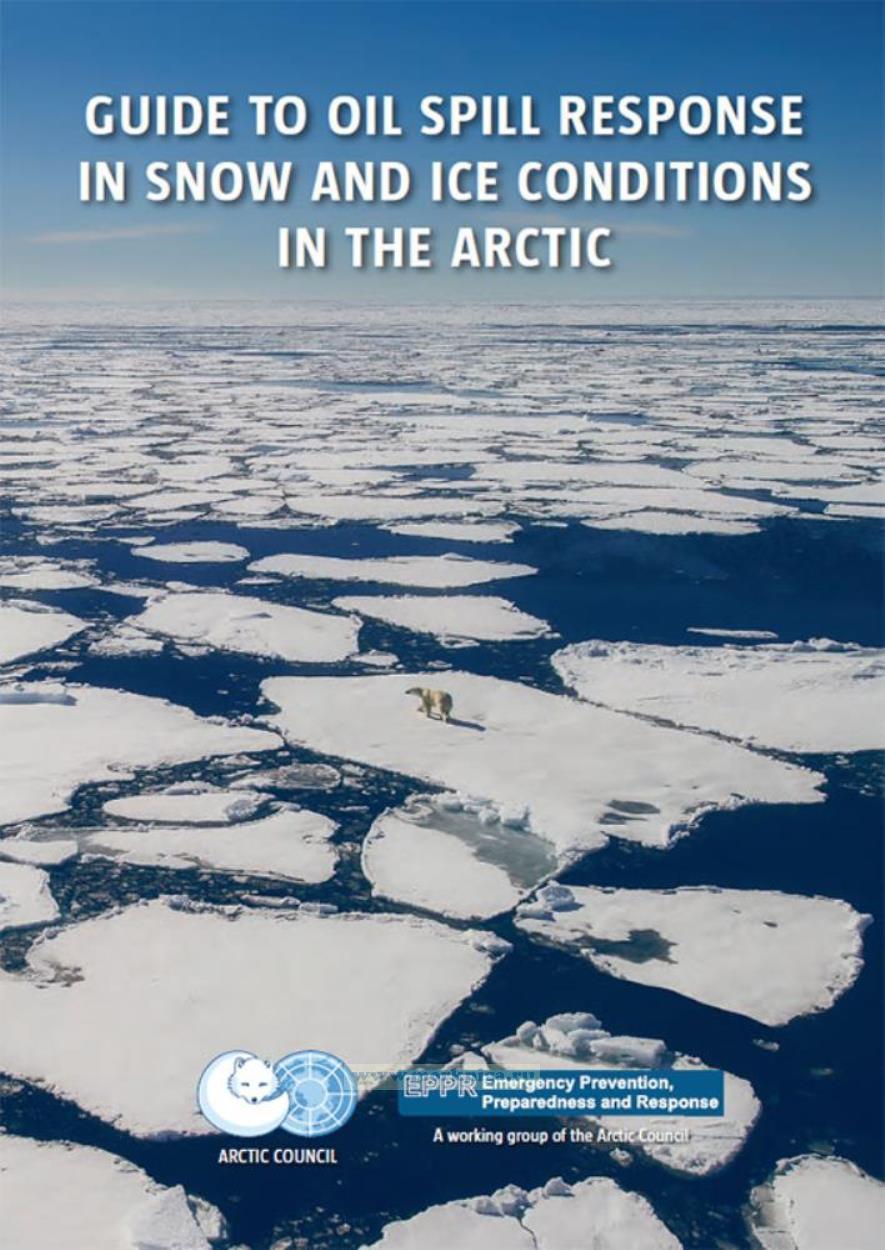
Guide to oil spill response in snow and ice conditions in the Arctic/Руководство по ликвидации разливов нефти в условиях снега и льда в Арктике
Артикул: 00-01026712
в желания В наличии
Издательство: ARCTIC COUNCIL (все книги издательства)
ISBN: 978-82-999755-7-5
Год: 2015
Формат: А4 (210x290 мм)
Переплет: Мягкая обложка
Страниц: 185
Вес: 464 г
С этим товаром покупают
-
 Бюллетень № 7 изменений и дополнений к Конвенции МАРПОЛ 73/78 и резолюций Комитета ИМО по защите морской среды от загрязнения с судов
-
 Предотвращение загрязнения морской среды с судов и морских сооружений. Книга 2. Технологии и оборудование для предотвращения загрязнения окружающей среды с судов и морских сооружений
-
 Защита водоемов от загрязнения при судоходстве
Издание на английском языке
The objective of the Arctic version of the Guide is to identify and describe those aspects of planning and operations that are directly associated with a response to an Arctic oil spill in ice and snow conditions. Response strategies to deal with Arctic oil spills in summer open water conditions are not considered in the Guide.
The Guide encompasses a wide range of concepts and information that would be too unwieldy to condense in their entirety in this Executive Summary. Rather, the contents and key points are summarised where they are useful in a box at the beginning of each Part, Chapter and subsection of this Guide.
This Executive Summary is presented in two parts that reflect the very different, but linked, components of 1) Planning and Preparation for an incident, and 2) the Implementation of Response Strategies. These summary points are not presented in an order of importance: in fact, for the most part they are all important, as one component cannot be considered in isolation for planning, preparedness, and implementation.
One summary point deserves special attention for remote Arctic areas: the need to have a rigorous, scientifically defensible, streamlined process in place to rapidly assess the environmental trade-offs and process the necessary approvals related to the use of dispersants and in situ burning. The goal is to maximise all the available options in an emergency, including mechanical recovery, where they are appropriate and effective.
Giving responders the flexibility to rapidly select and apply the most effective and environmentally beneficial strategy is crucial to ensuring success of any spill response; linked with the need for thorough contingency planning and drills in advance.
Contents
Disclaimer
Executive Summary
List of Figures
List of Tables
Glossary
Part I – Introduction
Part II – Developing Response Plans and the Decision Process
Chapter II-1 Response Objectives
Chapter II-2 Stages of a Response
Chapter II-3 Feasibility: Opportunities and Constraints
Chapter II-4 Net Environmental Benefit Analysis (NEBA)
Chapter II-5 The Decision Process
Part III – Background: Key Planning and Response Elements
Chapter III-1 Marine and Coastal Oil Spill Scenarios
Chapter III-2 Arctic Coastal and Marine Ice Environments
Chapter III-3 Coastal Processes and Shoreline Types in Ice- and Snow-Affected Coastal Regions
Chapter III-4 Response Infrastructure and Logistics in Ice- and Snow-affected Marineand Coastal Arctic regions
Part IV – Arctic Oil Spills in Ice and Snow: Behaviour, Fate and Effects
Chapter IV-1 Oil in Ice Fate and Behaviour
Chapter IV-2 The Effects of Spilled Oil in Ice- and Snow-Affected Marine and Coastal Environments
Part V – Marine Strategies and Response Options for Oiled Ice and Snow
Chapter V-1 Background and Introduction
Chapter V-2 Detection, Delineation, Monitoring and Tracking
Chapter V-3 Mechanical Containment and Recovery
Chapter V-4 Dispersion and Oil Mineral Aggregates (OMA)
Chapter V-5 Controlled Burning
Chapter V-6 Summary of Marine Spill Response Effectiveness
Part VI – Coastal Response in Ice and Snow
Chapter VI-1 Shoreline Assessment and Shoreline Treatment Decisions
Chapter VI-2 Shoreline Treatment Strategies and Options for Oiled Ice and Snow
Part VII – Oil Spill Response Safety for Operations in Ice and Snow
Chapter VII-1 Principles of Safe Operations
Chapter VII-2 Risk Identification and Mitigation (checklists)
Chapter VII-3 Job Safety Analysis
References & selected Bibliography
Annex A – Oil Classification
Annex B – Vessel Traffic Patterns in Ice-Covered Waters
Annex C – Trends in Oil and Gas Activities in Ice-Covered Waters
Annex D – Ice Cycles
Annex E – Possible Vessel Spill Scenarios and Case Studies
Отзывы покупателей (0)
У этого товара пока нет отзывов. Поделитесь впечатлением первым.