

Каталог▲▼
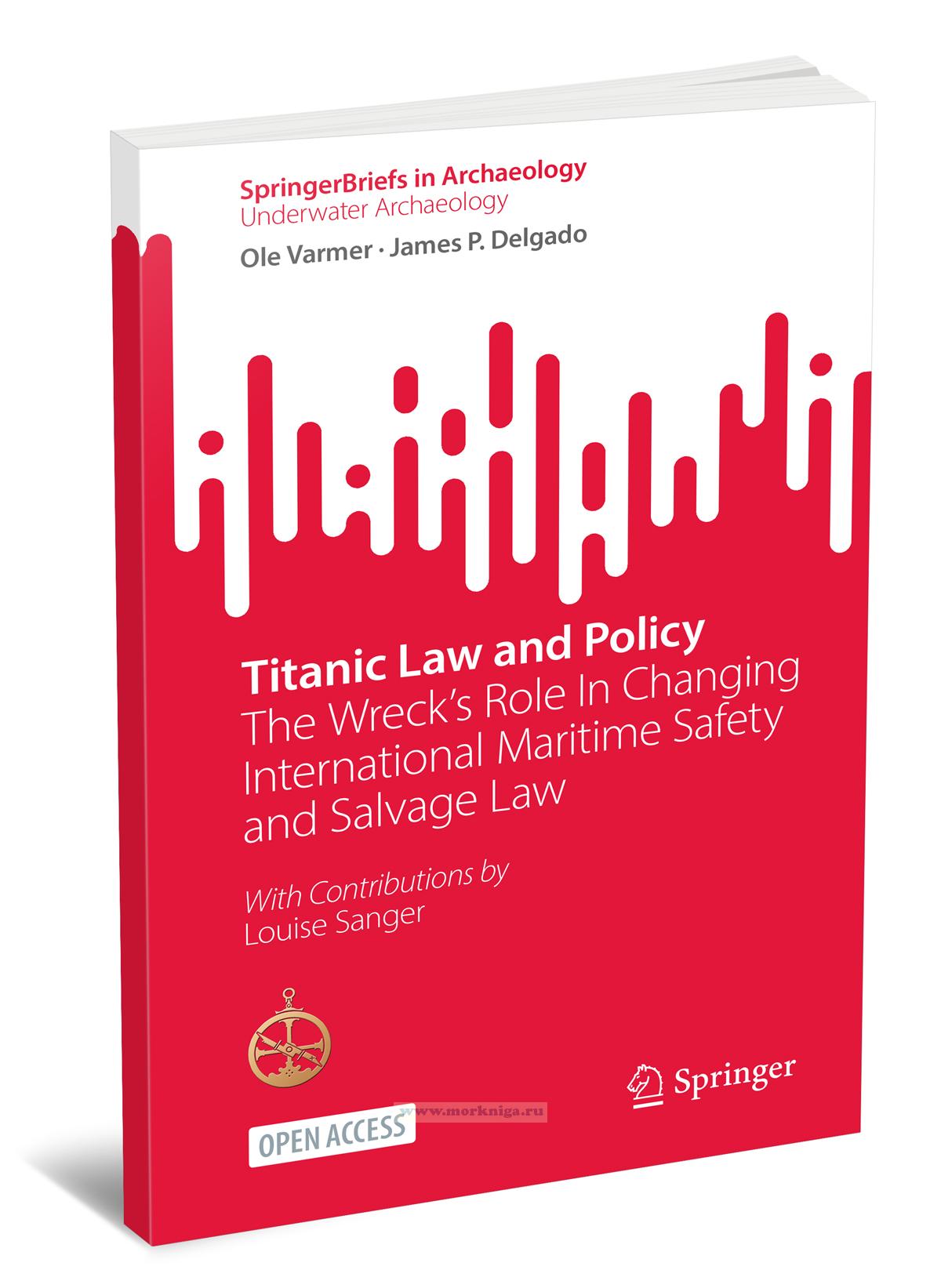
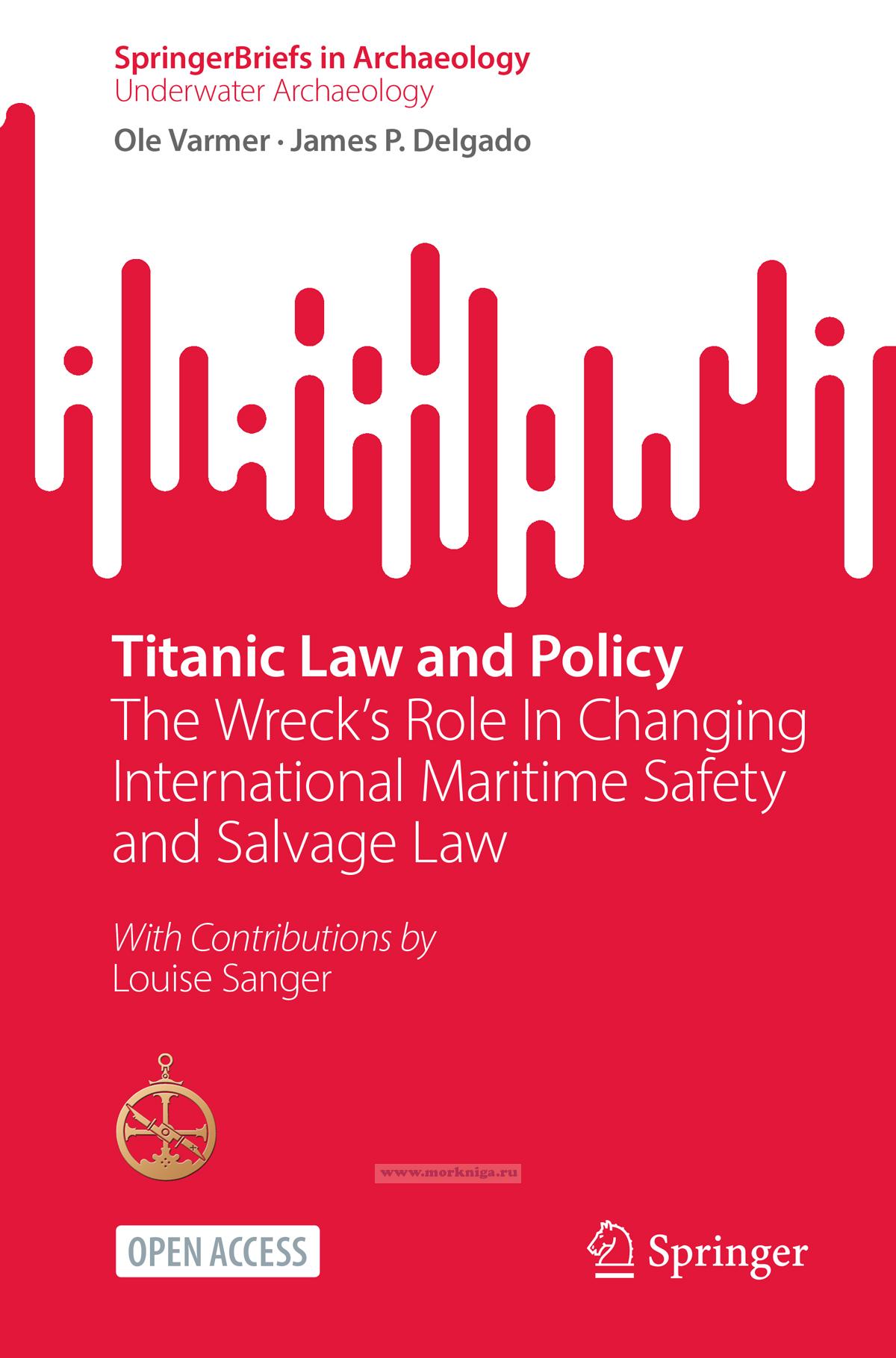
Titanic Law and Policy. The Wreck’s Role In Changing International Maritime Safety and Salvage Law/"Титаник": правовые и политические аспекты. Роль кораблекрушения в развитии международного законодательства о безопасности мореплавания и спасании затонувшего имущества
в избранное В наличии
Артикул: 00-01128162
Автор: Ole Varmer, James P. Delgado
Издательство: Springer (все книги издательства)
Место издания: Switzerland
ISBN: 978-3-032-27066-5
Формат: А4 (210x290 мм)
Переплет: Мягкая обложка
Страниц: 126
Вес: 319 г
Издание на английском языке
This book is dedicated to the history of the Titanic's separation, its impact on the development of international maritime law, and the improvement of shipping safety. It examines the actions of the US government, legal disputes surrounding the recovery of documents, compliance with the agreement, and measures to preserve the sunken nation as a historical and cultural heritage site. Particular attention is paid to the protection of the wreck site, the preservation of recovered items, and the welfare of the ship's wreck during research. This publication is intended for historians, lawyers, maritime law specialists, and readers interested in the Titanic genre.
Contents
1. Introduction: Titanic's Place in History
James P. Delgado
References
2. Why Titanic Mattered to the US Government
James P. Delgado and Ole Varmer
2.1. US Government Interest in Titanic
2.2. Titanic's American Connections: People
2.3. Artifacts in American Collections
2.4. Titanic's Corporate and Legal American Connections
2.5. Traction for Legislation on Maritime Heritage and the Discovery of Titanic
References
3. Impact of the Loss of Titanic on Maritime Safety and International Law and Policy
Louise Sanger
3.1. International Inquiry Into the Sinking
3.2. Lessons Learned from the Loss of Britannic
3.3. International Convention for the Safety of Life at Sea
3.4. Developments in Search and Rescue
3.5. International Cooperation for Maritime Safety
3.6. Establishment of the International Maritime Organization
3.7. Review of Life Saving Equipment and Passenger Ship Safety
3.8. Memorandum of Understanding on Port State Control
3.9. International Management Code for the Safe Operation of Ships and for Pollution Prevention
3.10. Continuing to Learn from Maritime Disaster
References
4. The US Government Response
Ole Varmer and James P. Delgado
4.1. 1985 Discovery of Titanic: The Catalyst for the 1986 RMS Titanic Maritime Memorial Act
4.2. Legislative History and the Remarkably Quick Process to the 1986 Act
4.3. The 1986 RMS Titanic Maritime Memorial Act (1986 Act)
4.4. The Need for International Cooperation on a Wreck in the High Seas
4.5. The US Government Role in Missions to Titanic
References
5. Admiralty Jurisdiction, Maritime Law of Salvage, and Titanic
Ole Varmer and James P. Delgado
5.1. Admiralty Jurisdiction and the Law of Salvage Case of Titanic
5.2. Forum Shopping for a US Court to Get the Rights to Salvage to Titanic
5.2.1. Central America
5.3. The 1992 “Marex” Titanic Salvage Case in the Eastern District of Virginia
5.4. 1993 French Tribunal Award of the 1987 Collection of Titanic Artifacts
5.5. 1994 Court Order Awarded RMS Titanic Inc. (RMST) Exclusive Rights to Salvage Titanic
5.6. Why Didn't the USG Get Involved in the Salvage Case at the Outset?
5.7. 1996 Joslyn Case on “Lack of Due Diligence” of Salvage by RMST
5.8. 1998 Haver Case Right to Visit the Wreck Site and Photograph Titanic
References
6. Traction for an International Agreement
James P. Delgado and Ole Varmer
6.1. The 1994 International Law Association (ILA) Draft Convention
6.2. Controversial Exhibit at the Maritime Museum in Greenwich of Salvaged Titanic Artifacts
6.3. Audit of IFREMER and the Report
6.4. 1995 British National Maritime Museum (NMM) Conference in Greenwich
6.5. 1996 Conference Organized by the British National Maritime Museum at the IMO in London
6.6. 2001 UNESCO Convention on the Protection of the Underwater Cultural Heritage
References
7. International Agreement: Negotiation, and Entry into Force
Ole Varmer
7.1. Negotiations (1997-2000) (Canada, France, the UK, and the US)
7.2. US and Other National Interests in an Agreement on Titanic
7.3. Preamble
7.4. In Situ Preservation Policy in Debris Field but a Requirement for the Hull Portions
7.5. Article 1: Definitions (Scope)
7.6. Article 2: Maritime Memorial and Historic Wreck
7.7. In Situ Historic Preservation and Respectful Treatment of Titanic as a Grave Site
7.8. Article 3: Protective Measures and Jurisdiction to Prescribe and Enforce:
7.9. Article 4: Control Over Vessels/Persons Over Which Each Party Has Jurisdiction
7.10. Consultation with RMST and Respect for Admiralty Court Orders
7.11. Conclusion of Negotiations on January 5, 2000
7.12. NOAA Guidelines for Research, Exploration, and Salvage of Titanic (2000-2001)
7.13. Legislation to Implement the Agreement Needed Before the US Could Agree to Be Bound
7.14. Entry into Force of the Agreement Between the UK and the US
References
8. Controversy and Conflict
Ole Varmer and James P. Delgado
8.1. 1987 Salvage: Grave Robbing or in the Public Interest?
8.2. 1999 Hostile Takeover of RMST for a New Business Plan to Monetize Titanic
8.3. RMST Changes Business Plan to Monetize the Collection and Salvage inside the Hull
8.4. Rights to Salvage and Award—Not Ownership under Law of Finds (Fourth Cir. Ct)
8.5. Salvage Law Award Subject to Covenants & Conditions for Public Interest in Titanic (Incorporating Agreement, NOAA Guidelines, and Historic Preservation Law and Policy)
8.6. Covenants and Conditions on the Award of the Titanic Collection
8.7. Integrity, Management, and Protection of the Collection
8.8. Protection of Collection in the Event of Bankruptcy
8.9. Plan to Salvage the Marconi Equipment inside One of the Hull Portions
8.10. Issues with the 2017 Titanic Act Raised by RMST and the Court
8.11. The Constitutionality of the ASA and SMCA Ban on the Law of Finds and Salvage
8.12. A Pending Issue: RMST 2026 Request to Auction some Artifacts from the 1987 Salvage Expedition the "French Collection"
References
9. The Future of Titanic: Next Steps?
Ole Varmer and James P. Delgado
References
Отзывы покупателей (0)
У этого товара пока нет отзывов. Поделитесь впечатлением первым.