

Каталог▲▼
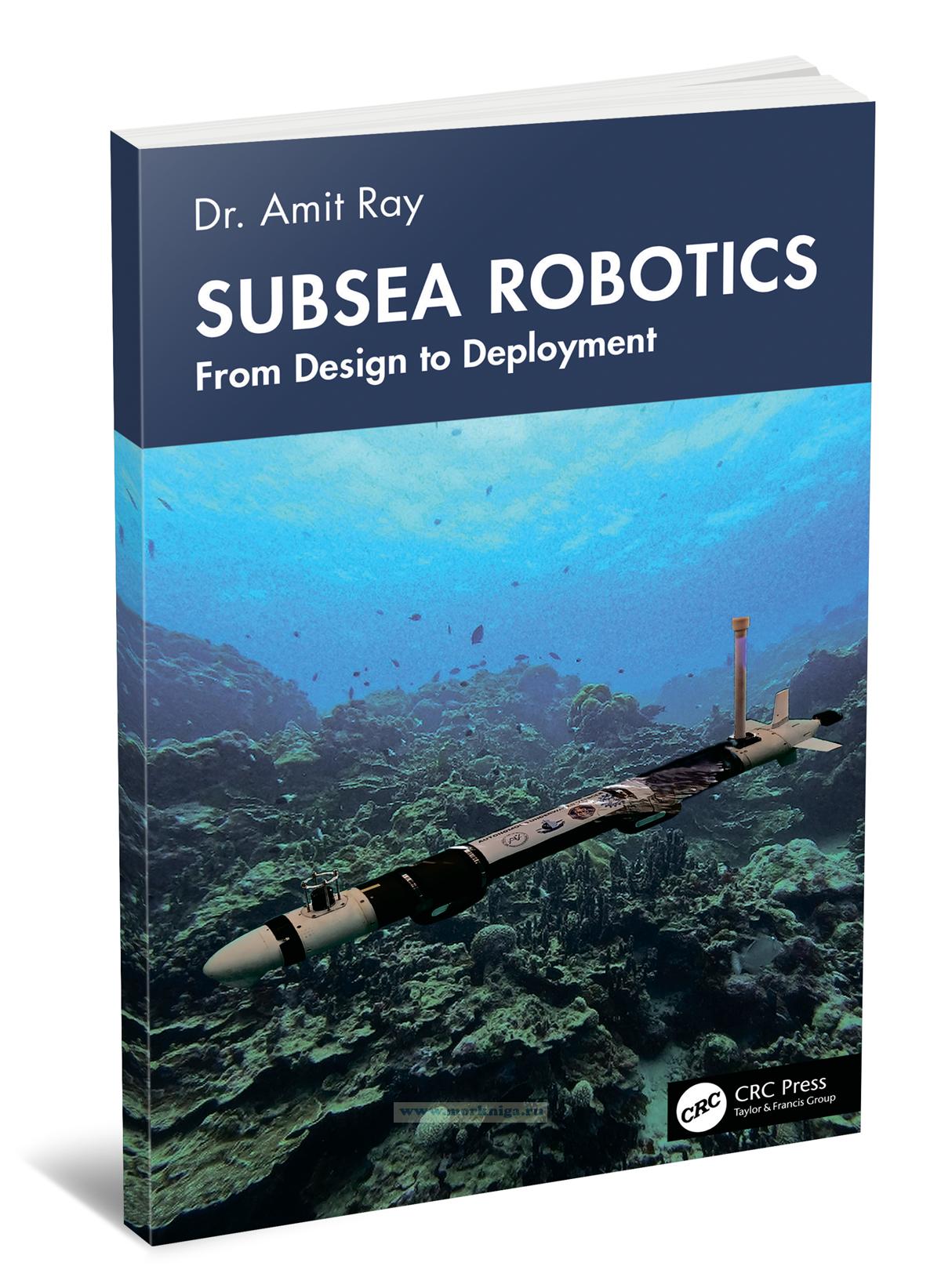
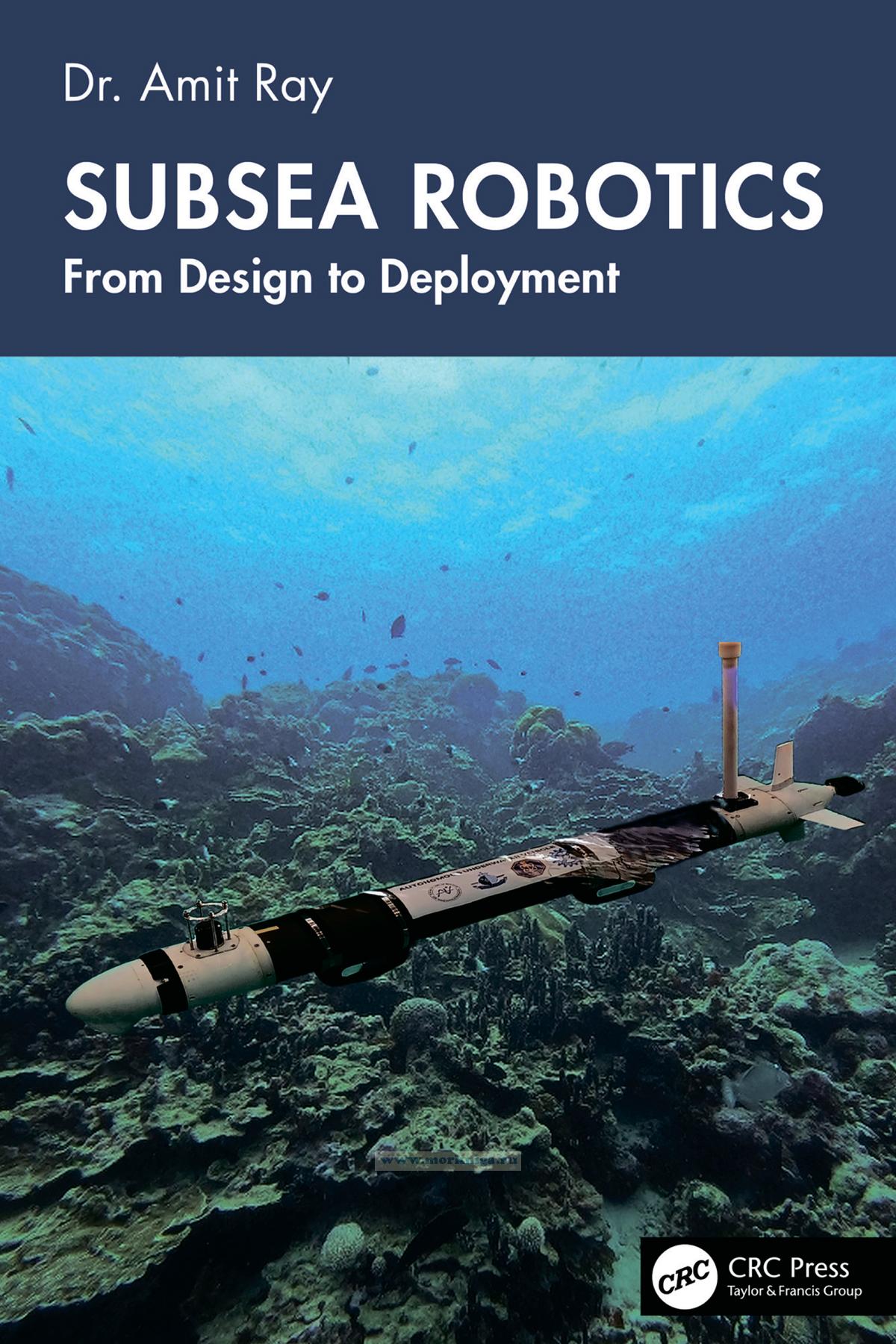
Subsea Robotics - From Design to Deployment/Подводная робототехника - от проектирования до развертывания
в избранное В наличии
Артикул: 00-01128152
Автор: Dr. Amit Ray
Издательство: CRC Press (все книги издательства)
ISBN: 9781041235064
Год: 2026
Формат: А4 (210x290 мм)
Переплет: Мягкая обложка
Страниц: 302
Вес: 756 г
Издание на английском языке
This book is devoted to the design, development, and application of underwater robotic systems. It examines the design of autonomous and remotely operated underwater vehicles, propulsion systems, power supply, sensors, communication systems, navigation, and control. Particular attention is paid to autonomous technologies, testing, and practical examples of modern underwater robots. It describes the prospects for the development of underwater robotics and its application in scientific research, industry, and defense. This publication is intended for engineers, developers, researchers, and students of technical specialties.
Contents
List of Abbreviations
Preface
About the Author
Chapter 1. Introducing Subsea Robotics
1.1. Introduction
1.2. Evolution
1.3. Subsea Survey
1.4. Challenges in Subsea Operations
1.5. Categories of Subsea Robots
1.6. Main Components
1.7. Scientific Uses of UUVs
1.8. Industrial Uses of UUVs
1.9. Defence and Security Uses
1.10. Collaborative Research
Notes
References
Chapter 2. Design Considerations and Standards
2.1. Approaching the Task
2.2. Typical Payload and Layout
2.3. Systems to Be Designed
2.4. Initial Sizing
2.5. Applying Systems Engineering
2.6. Standards and Certification
2.7. Conclusion
References
Chapter 3. Form, Propulsion, and Powering
3.1. Hydrodynamic Drag and Hull Form
3.2. Hydrostatics and Hydrodynamics
3.3. AUV Propulsion Solutions
3.4. Thruster-Based Propulsion Design
3.5. Conclusion
Note
References
Chapter 4. Energy Storage and Management
4.1. Challenges in Subsea Powering
4.2. Energy Consumption Components
4.3. Power Generation and Distribution
4.4. Energy Storage Characteristics
4.5. Energy Storage Solutions
4.6. Energy Management Strategies
4.7. Energy Harvesting
4.8. Conclusion
Note
References
Chapter 5. UUVs and Sensors
5.1. Requirements
5.2. Acoustic Sensors
5.3. Optical Sensors
5.4. Chemical and Biological Sensors
5.5. Navigation and Positioning Sensors
5.6. Communication Equipment
5.7. Sensor Selection and Integration
5.8. Energy, Power, Weight, and Space
5.9. Typical Payload Specifications
5.10. Conclusion
Notes
References
Chapter 6. Underwater Communication
6.1. Requirements
6.2. Acoustic Communication
6.3. Optical Communication
6.4. Electromagnetic (EM) Communication
6.5. Comparative Summary
6.6. Improving Acoustic Communication
6.7. Acoustic Communication Strategies
6.8. Conclusion
Notes
References
Chapter 7. Guidance, Navigation, and Control
7.1. Fundamentals
7.2. Mathematical Model of Motion
7.3. Control Strategies
7.4. Underwater Navigation Techniques
7.5. Sensor Fusion and Processing
7.6. Conclusion
References
Chapter 8. Autonomous System Architecture
8.1. Autonomy and Its Levels
8.2. Layers of System Architecture
8.3. Protocol Stack
8.4. AUV Hardware Architecture
8.5. AUV Software Architecture
8.6. Fault Tolerance Strategies
8.7. Modular and Interoperable Architectures
8.8. Linking Concepts
8.9. Future Trends
Notes
References
Chapter 9. Human Interfaces and Operations
9.1. Human—AUV Interaction
9.2. User Interfaces for Mission Control
9.3. Integration and System-Level Considerations
9.4. Data Management
9.5. Collaborative AUV Operations
9.6. ROV Operations
9.7. Underwater Networks
9.8. Conclusion
References
Chapter 10. Deployment, Manipulators, and Actuators
10.1. Launch and Recovery Systems
10.2. Challenges in Launch and Recovery
10.3. Categories of LARS Solutions
10.4. Design Approaches for LARS
10.5. Examples of LARS Solutions
10.6. Manipulator Systems
10.7. Manipulator Systems Design
10.8. Typical Manipulator Systems
10.9. Actuators for Soft Robotics
10.10. Conclusion
Note
References
Chapter 11. Testing and Trials
11.1. Significance and Phases
11.2. Hardware-in-Loop (HIL) Testing
11.3. Harbour Trials
11.4. Sea Trials
11.5. Typical Challenges
11.6. Planning Sequence of Trials
11.7. Conclusion
References
Chapter 12. Development Case Studies
12.1. Development of UUVs
12.2. Indian Developments
12.3. Case Study: REMUS AUV
12.4. Case Study: HUGIN AUV
12.5. Case Study: Bluefin AUV
12.6. US Navy Programmes
12.7. Chinese Underwater Systems
12.8. Development Timelines
12.9. Conclusion
References
Chapter 13. Future Prospects
13.1. Emerging Roles
13.2. Emerging Sensor Technology
13.3. Emerging Communication Technology
13.4. Collaborative Operations
13.5. Launch and Recovery
13.6. Underwater Navigation
13.7. Emerging Software Architecture
13.8. Futuristic Energy Solutions
13.9. Contrasting Claims with Reality Checks
13.10. Developing an Ecosystem
13.11. Looking Ahead
References
Index
Отзывы покупателей (0)
У этого товара пока нет отзывов. Поделитесь впечатлением первым.