

Каталог▲▼
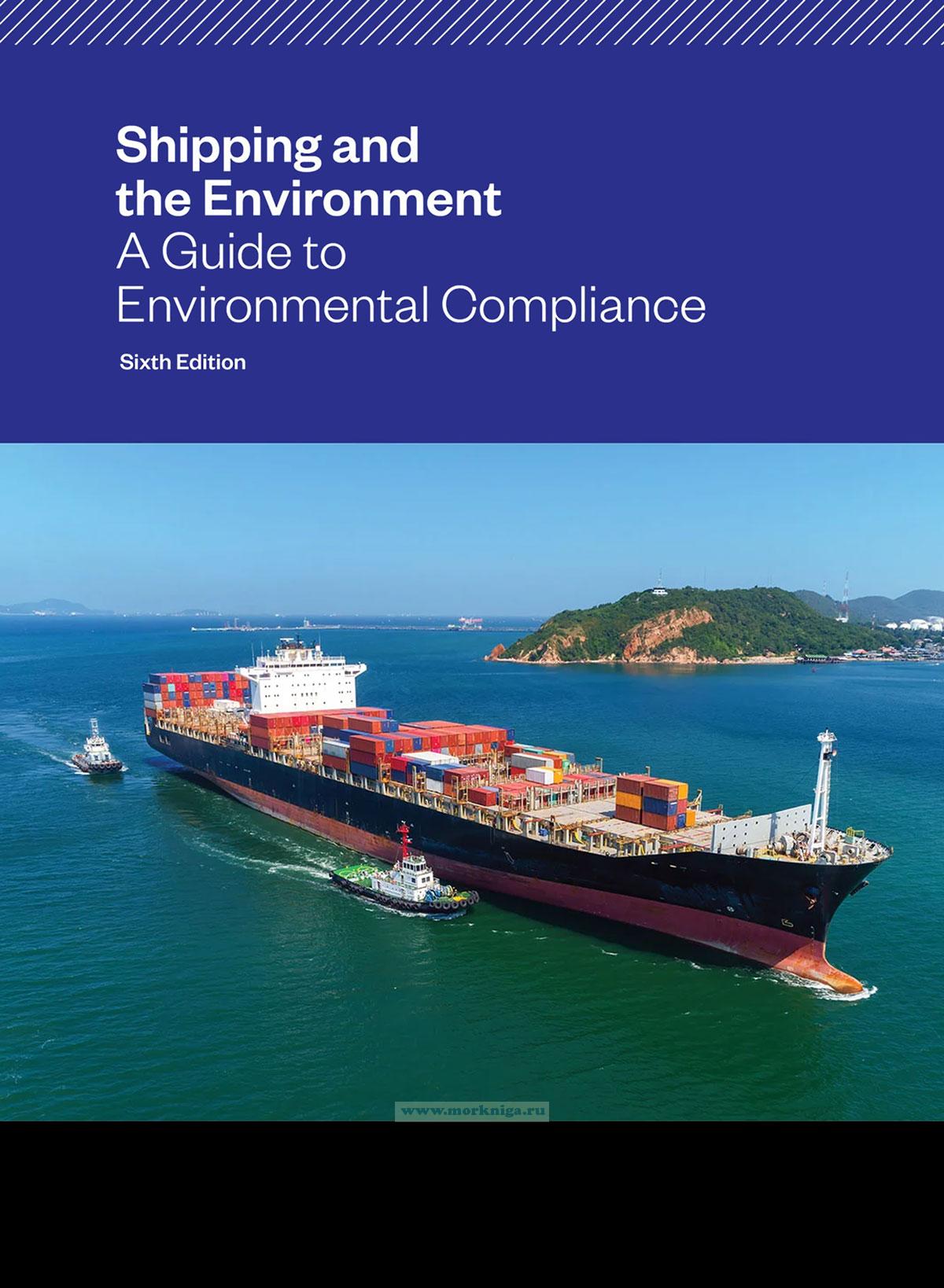
Shipping and the Environment. A Guide to Environmental Compliance. 6th edition/Судоходство и окружающая среда. Руководство по соблюдению экологических требований, 6-е издание


в избранное В наличии
Артикул: 00-01127623
Издательство: International Chamber Of Shipping (все книги издательства)
Место издания: London
ISBN: 978-1-913997-78-6
Год: 2026
Переплет: Твердая обложка
Страниц: 84
Вес: 452 г
Издание на английском языке
The book provides a comprehensive guide to environmental compliance in the maritime industry, explaining how shipping operations can reduce their impact on the marine environment. It covers international regulations, pollution prevention measures, environmental management practices, and the responsibilities of shipping companies and crews. The book examines current challenges such as emissions, waste management, ballast water control, and sustainable operations, while also exploring future developments including alternative fuels, digital technologies, cleaner ship design, and decarbonization strategies. Practical guidance and checklists help apply environmental requirements in everyday shipping activities.
Contents
Abbreviations and definitions
Chapter 1
Introduction
1.1 Overview
1.2 What shipping does and how
1.2.1 Global supply chains
1.2.2 The global fleet
1.3 Design and building
1.3.1 Ship operations during a ship’s lifetime
Chapter 2
Controlling and mitigating the risk of marine pollution
2.1 What is marine pollution?
2.2 Sources and the effect of marine pollution
2.3 Who regulates protection of the marine environment?
2.3.1 The United Nations
2.3.2 The International Maritime Organization
2.3.3 Flag states
2.3.4 Port state control
2.3.5 Coastal states
2.3.6 Class inspections
2.3.7 Vetting inspections
2.4 Marine pollution associated laws and mitigations
2.4.1 International Convention for the Prevention of Pollution from Ships
2.4.2 Ballast water
2.4.3 Biofouling
2.4.4 International Convention Relating to Intervention on the High Seas in Cases of Oil Pollution Casualties, 1969
2.4.5 International Convention on Oil Pollution Preparedness, Response and Co-operation, 1990
2.4.6 United Nations Convention on the Law of the Sea
2.4.7 United Nations High Seas Treaty, 2023
2.4.8 International Convention on Standards of Training, Certification and Watchkeeping for Seafarers
2.4.9 Ship recycling
2.4.10 Noise pollution and underwater radiated noise
2.4.11 United States regulations
Chapter 3
Shipping company and shipboard best practices
3.1 Overview
3.2 Environmental, social and governance standard and framework
3.2.1 What does environmental, social and governance mean?
3.2.2 ESG standards
3.2.3 ESG frameworks
3.3 The role of the shipping company in environmental compliance
3.3.1 The principles of environmental management
3.3.2 The safety management system
3.3.3 Management’s responsibility for pollution prevention
3.3.4 Designated person’s responsibility for pollution prevention
3.4 Training, awareness and competence
3.5 Environmental standards relevant to ISM Code compliance
3.5.1 The safety management system and waste management
3.6 Shipboard pollution emergency plans
3.7 Shipboard documentation
3.8 Technical equipment
3.9 Oily water separators and control devices
3.10 Digitalisation options
3.10.1 Voyage optimisation
3.10.2 Port calls
3.11 Internal monitoring and reporting of environmental compliance
3.11.1 Sustainability reporting
3.11.2 Benchmarking and measuring performance
3.12 Audits of environmental compliance
3.13 External reporting of environmental non-compliance
3.14 Commercial elements
3.15 Shipping finance
3.16 Insurance
3.17 Additional tools and indices
3.17.1 The Environmental Ship Index
3.17.2 Clean Shipping Index
3.17.3 The Poseidon Principles
3.17.4 Sea Cargo Charter
Chapter 4
Future developments
4.1 Regulatory developments
4.1.1 The control of invasive aquatic species
4.1.2 Exhaust gas cleaning systems
4.1.3 MARPOL Annex IV and associated guidelines
4.1.4 Black carbon
4.1.5 Marine plastic litter
4.2 Alternative fuels and propulsion methods
4.3 Green corridors
4.4 Shipbuilding
4.5 Ship technology, design and construction
4.5.1 Ship modelling
4.5.2 Superstructure design
4.6 Carbon capture at sea
4.7 Digital transformation
4.7.1 Digital twins
4.7.2 Artificial intelligence
4.7.3 Digitalisation and cloud data analytics
4.7.4 Electronic data exchange standards for ship operations
Appendix
Environmental protection measures checklist
Отзывы покупателей (0)
У этого товара пока нет отзывов. Поделитесь впечатлением первым.