

Каталог▲▼
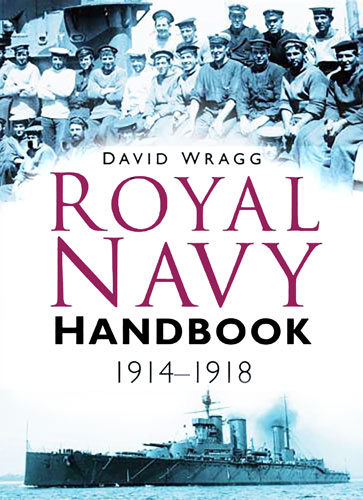
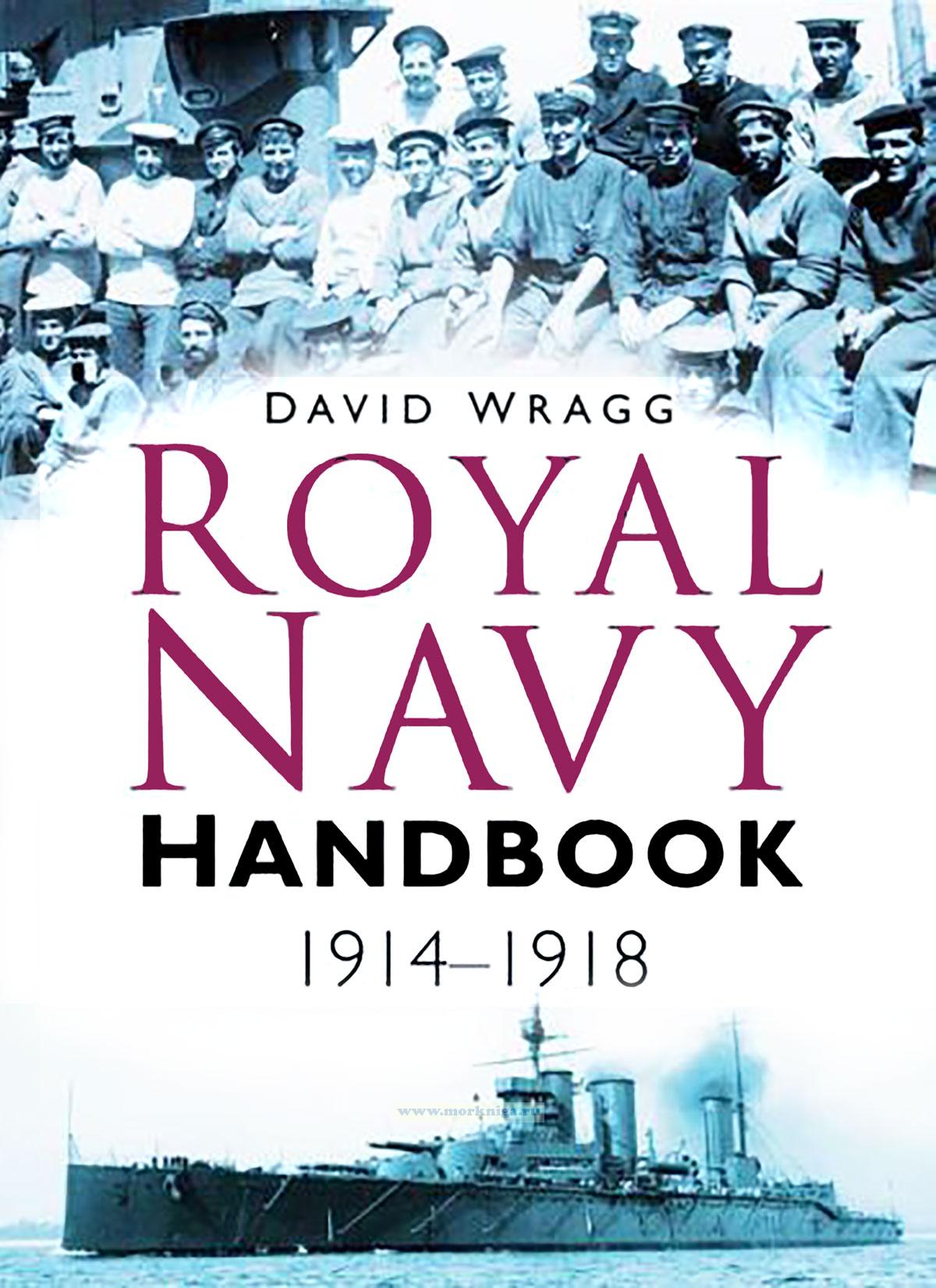
Royal Navy Handbook 1914-1918/Справочник Королевского флота 1914-1918 гг.

Артикул: 00-01126347
в желания В наличии
Автор: David Wragg
Издательство: Sutton Publishing (все книги издательства)
Место издания: UK
ISBN: 0-7509-4203-7
Год: 2006
Переплет: Твердая обложка
Страниц: 320
Вес: 952 г
Издание на английском языке
The Royal Navy in 1914 was the largest in the world, largely because of the many years in which British defence policy had had as its cornerstone the so-called ‘two-power standard’, meaning that the fleet had to be equal to the combined strength of any other two fleets in the world. This was partly the result of the United Kingdom’s having created the greatest empire the world had ever seen, but it was also a reflection of the fact that the United States had still to discover sea power, while Germany was itself a new creation that had only just embarked on a major warship construction programme. Neither Germany nor Japan had a major shipbuilding industry at the turn of the century, although both were well on the way to creating one.
Contents
Introduction
Acknowledgements
1. More than a century after Trafalgar
2. The royal navy in 1914
3. Standfast the fleet!
4. The Dardanelles and Gallipoli
5. Tragedy and triumph in the southern hemisphere
6. Guarding the North Sea
7. Jutland
8. The U-Boat war
9. The royal naval air service
10. The submarine service
11. The royal naval division
12. Recruitment and training
13. Personal and personnel
14. Warships
15. Naval bases
16. Naval air units
Appendix I The Board of Admiralty
Appendix II Battle and Campaign Honours
Appendix III Victoria Cross Awards
Appendix IV Medals and Decorations
AppendixN Comparison of Ranks: Royal Navy and Army
AppendixW Museums: Portsmouth, Gosport, Yeovilton, Chatham
Chronology
Bibliography
Index
Отзывы покупателей (0)
У этого товара пока нет отзывов. Поделитесь впечатлением первым.