

Каталог▲▼
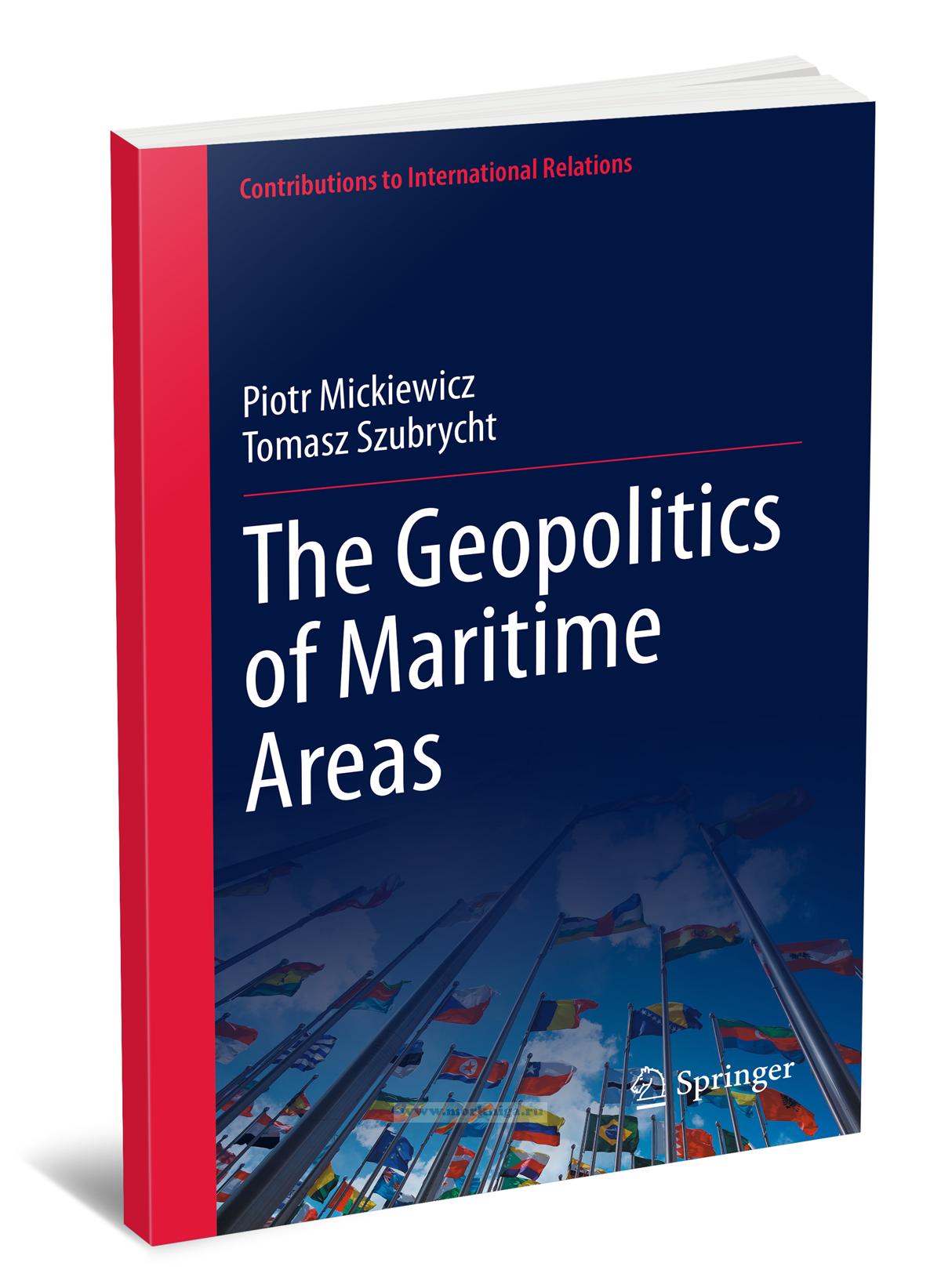
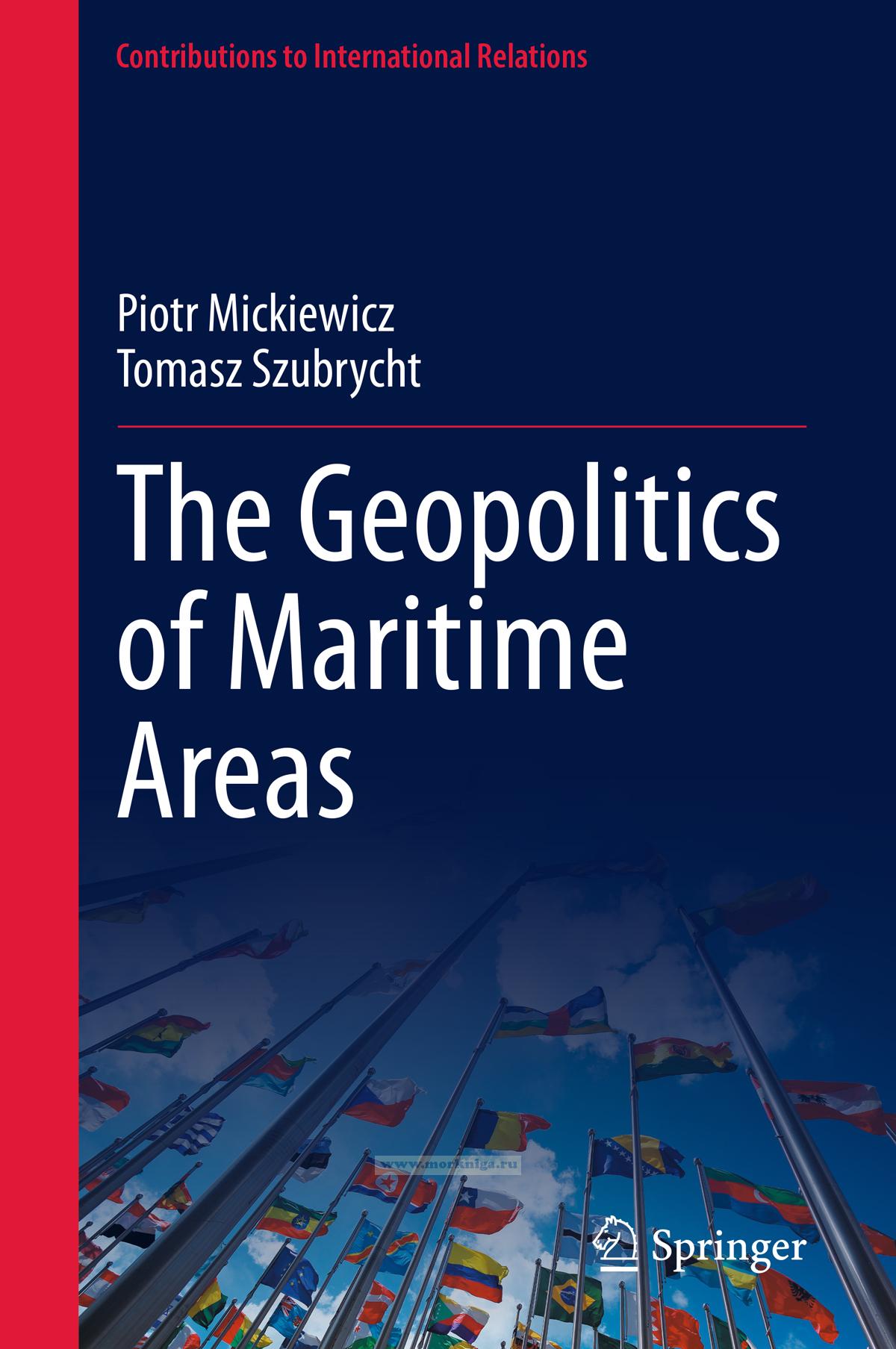
The Geopolitics of Maritime Areas/Геополитика морских районов
Артикул: 00-01126213
в желания В наличии
Автор: Piotr Mickiewicz, Tomasz Szubrycht
Издательство: Springer (все книги издательства)
Место издания: Switzerland
ISBN: 9 78-3-032-24226-6
Год: 2026
Формат: А4 (210х297 мм)
Переплет: Мягкая обложка
Страниц: 339
Вес: 872 г
Издание на английском языке
This book explores the geopolitical significance of maritime spaces and the role of naval power in contemporary international politics. It examines the strategies of leading maritime powers, including the United States, China, Russia, Great Britain, France, India, and others, as well as their interests in key regions of the world's oceans. The author analyzes the development of national maritime activities, the legal framework for maritime use, competition for resources and transport routes, and the importance of the Arctic, Antarctica, the Indo-Pacific, the Atlantic, and European seas. The book explores the influence of naval power on the global balance of power and is intended for specialists in geopolitics, international relations, naval strategy, and maritime security.
Content
1. Concepts, Forms, and Conditions of Marine Activity
1.1. Thalassocracy as a Form of State Activity
1.1.1. Thalassocratic Theories of Naval Power
1.1.2. Evolution of the Concepts of Naval Power and Naval Strategy
1.1.3. The Importance of Maritime Areas in Twentieth-Century Geopolitical Theories
1.2. Codification of the Law of the Sea as a Determinant of the Transformation of Maritime Activity
1.2.1. The Scope of Freedom of the Sea as an Instrument of the Influence of Maritime Powers
1.3. Exploitation of the Sea as a Challenge for the Concept of Freedom of the Sea and the Functioning of Naval Forces
1.3.1. Traditional Forms of Activity of the State's Naval Forces
1.3.2. Naval Forces Facing Hybrid Operations
1.4. Conclusions
Bibliography
2. Maritime Basins in the Policy of the Most Important State Players
2.1. Maritime Players and Their Formal and Legal Status
2.2. The Formation of the Balance of Power Among the State Participants in International Relations in Maritime Areas in the Twenty-First Century
2.3. Contemporary Perception of Maritime Potential and Geographical Features of Sea Basins in the Maritime Strategies of States
2.4. The Formula of Activity of Maritime Powers
2.4.1. US Maritime Practice
2.4.2. The Formula of China's Maritime Activity
2.4.3. Concepts of Maritime Activity of the Russian Federation
2.4.4. The French Concept of Maritime Power in the Twenty-First Century
2.4.5. The Formula of Great Britain's Maritime Activity
2.5. The Naval Potential of the Most Important Maritime Players
2.5.1. The United States Navy and Its Naval Potential
2.5.2. People's Liberation Army Navy
2.5.3. Naval Forces of the Russian Federation (Военно-Морской Флот Российской Федерации)
2.5.4. French Naval Forces: Marine Nationale
2.5.5. British Royal Navy
2.5.6. Indian Navy (Devanagari)
2.5.7. Japan Maritime Self-Defense Force
2.5.8. Royal Australian Navy
2.6. Conclusions
Bibliography
3. Geopolitical Importance of Polar Waters
3.1. The Geostrategic Importance of the Arctic Ocean
3.2. The Arctic Ocean in the US Strategy
3.3. Conditions and Strategic Goals of Russia's Arctic Policy
3.4. Chinese Formula of Engagement in Arctic Waters
3.5. The Arctic Ocean in the Policy of Selected Coastal States
3.6. Conclusions
3.7. The Southern Ocean and Antarctica as an Area of Activity for Antarctic Players
3.7.1. China and Russia's Antarctic Policy
3.7.2. Strategic Objectives of the Regional Countries
3.7.3. Evolution of US Antarctic Policy
3.8. Conclusions
Bibliography
4. Geopolitical Significance of the Indo-Pacific
4.1. The Evolution of American Activities in the Indo-Pacific
4.2. Chinese Maritime Activity in the Indo-Pacific
4.3. Russia in the Indo-Pacific
4.4. The Indo-Pacific in British Policy
4.5. The Indo-Pacific in the Strategy of the French Republic
4.6. The Indo-Pacific in the Politics of Regional Powers
4.6.1. India as a Regional Maritime Power in the Indo-Pacific
4.6.2. The Indo-Pacific in Australian Policy
4.6.3. Indonesia as a Regional Maritime Player
4.7. Conclusions
Bibliography
5. Geopolitical Importance of Selected Indo-Pacific Regions
5.1. Geostrategic Situation in the South China Sea
5.2. The Strategic Importance of the East China Sea
5.3. Japan as a Special Regional Player
5.4. The Western Indian Ocean as an Area of Regional Rivalry
5.5. Conclusions
Bibliography
6. The Atlantic as a Water Area of Competition and Cooperation
6.1. US Policy in the Atlantic Ocean
6.2. Canada as an Atlantic Player
6.3. The Atlantic in the European Union's Strategy
6.4. The North Atlantic Ocean in the Politics of European Coastal States
6.5. Atlantic Activity of BRICS Countries
6.6. Argentina as a Maritime Player in the South Atlantic
6.7. Conclusions
Bibliography
7. Geopolitical Importance of the Basins Around Europe
7.1. The Policy of the European Union as a Creator of the Economic Use of European Sea Waters
7.2. European Waters as Transport Routes
7.2.1. The Strategic Importance of the Mediterranean Sea
7.2.2. The Geopolitical Importance of the Black Sea
7.2.3. The Baltic Sea as a Strategic Water Body
7.3. Strategic Goals of Baltic Maritime Players
7.3.1. Baltic Policy of the Russian Federation
7.3.2. China's Baltic Policy
7.3.3. United States Baltic Policy
7.3.4. Evolution of the Policies of the Baltic Countries in the Region
7.4. Conclusions
Bibliography
Conclusion
Отзывы покупателей (0)
У этого товара пока нет отзывов. Поделитесь впечатлением первым.