

Каталог▲▼
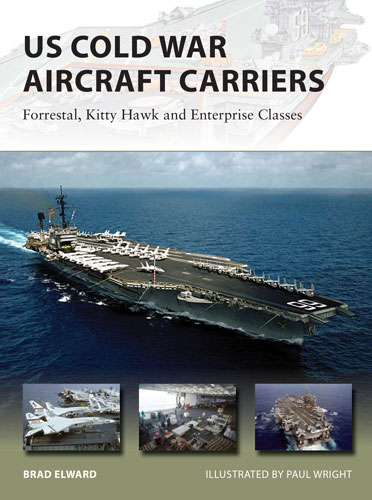
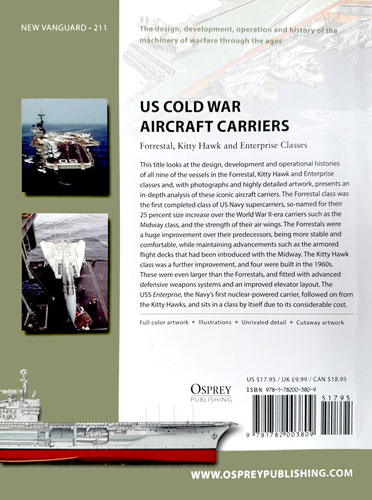
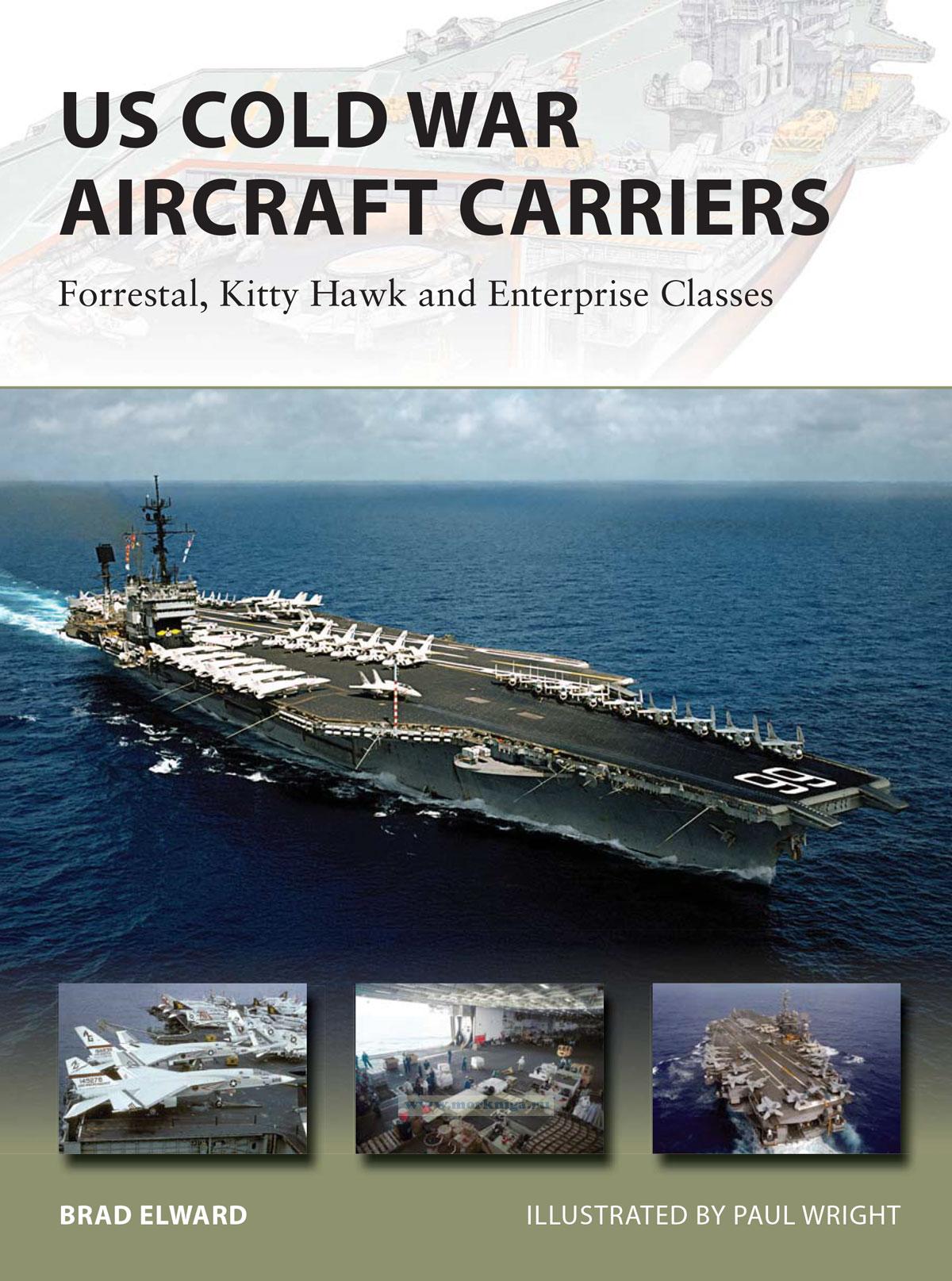
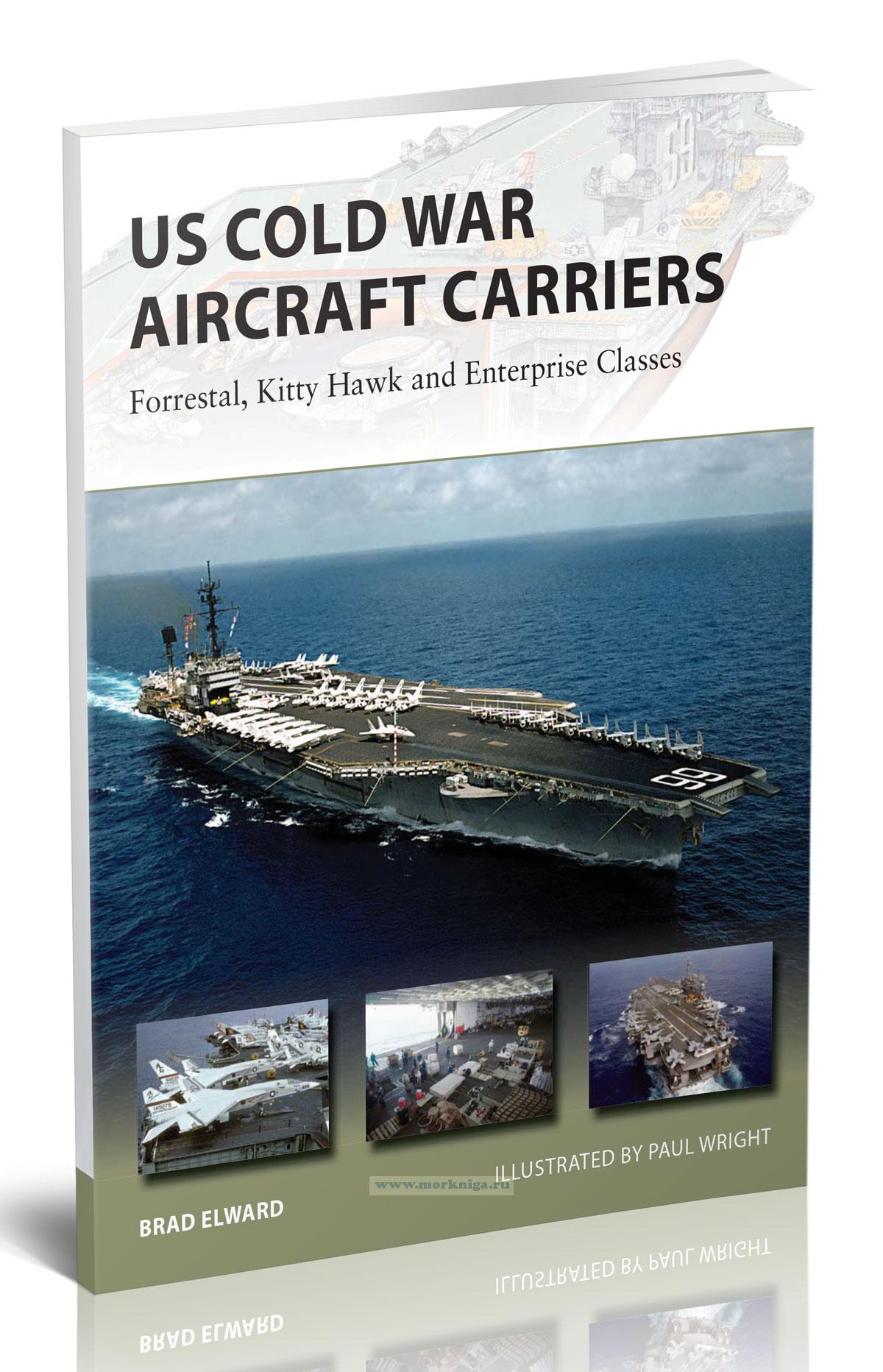
US Cold War Aircraft Carriers. Forrestal, Kitty Hawk and Enterprise Classes/Авианосцы США времен холодной войны. Классы "Форрестол", "Китти Хок" и "Энтерпрайз"

Артикул: 00-01126194
в желания В наличии
Автор: Brad Elward
Издательство: Osprey Publishing (все книги издательства)
Место издания: London and New York
Серия: New Vanguard
ISBN: 978-1-78200-380-9
Год: 2014
Переплет: Мягкая обложка
Страниц: 50
Издание на английском языке
The book examines the development, design, armament, aircraft operations, propulsion, electronic systems, and combat service of the US Navy’s Forrestal, Kitty Hawk, and Enterprise class aircraft carriers. Particular attention is given to the evolution of the supercarrier concept, angled flight decks, steam catapults, carrier air wings, and the operational careers of individual ships during the Cold War and later conflicts. The book is richly illustrated with photographs, diagrams, and color artwork.
Contents
Introduction
Origins of the carrier and the supercarrier
World War II Carriers
Post-World War II Carrier Developments
United States (CVA-58)
The Forrestal Class
Forrestal as built
Carrier Structures
The Flight Deck and Hangar Bay
Launch and Recovery Operations
Stores
Defensive Systems
Electronic Systems and Radar
Propulsion
The Forrestal Carriers
USS Forrestal (CVA-59)
USS Saratoga (CVA-60)
USS Ranger (CVA-61)
USS Independence (CVA-62)
The Kitty Hawk Class
Major Differences from the Forrestal Class
Defensive Armament
Dimensions and Displacement
Propulsion
Electronics and Radars
USS America, CVA-66 - Improved Kitty Hawk
USS John F. Kennedy, CVA-67 - A Singular Class
The Kitty Hawk and John F. Kennedy Carriers
USS Kitty Hawk (CVA-63)
USS Constellation (CVA-64)
USS America (CVA-66)
USS John F. Kennedy (CVA-67)
The Enterprise Class
Propulsion
Stores
Flight Deck and Island
Defensive Armament
USS Enterprise (CVAN-65)
Bibliography
Index
Отзывы покупателей (0)
У этого товара пока нет отзывов. Поделитесь впечатлением первым.