

Каталог▲▼
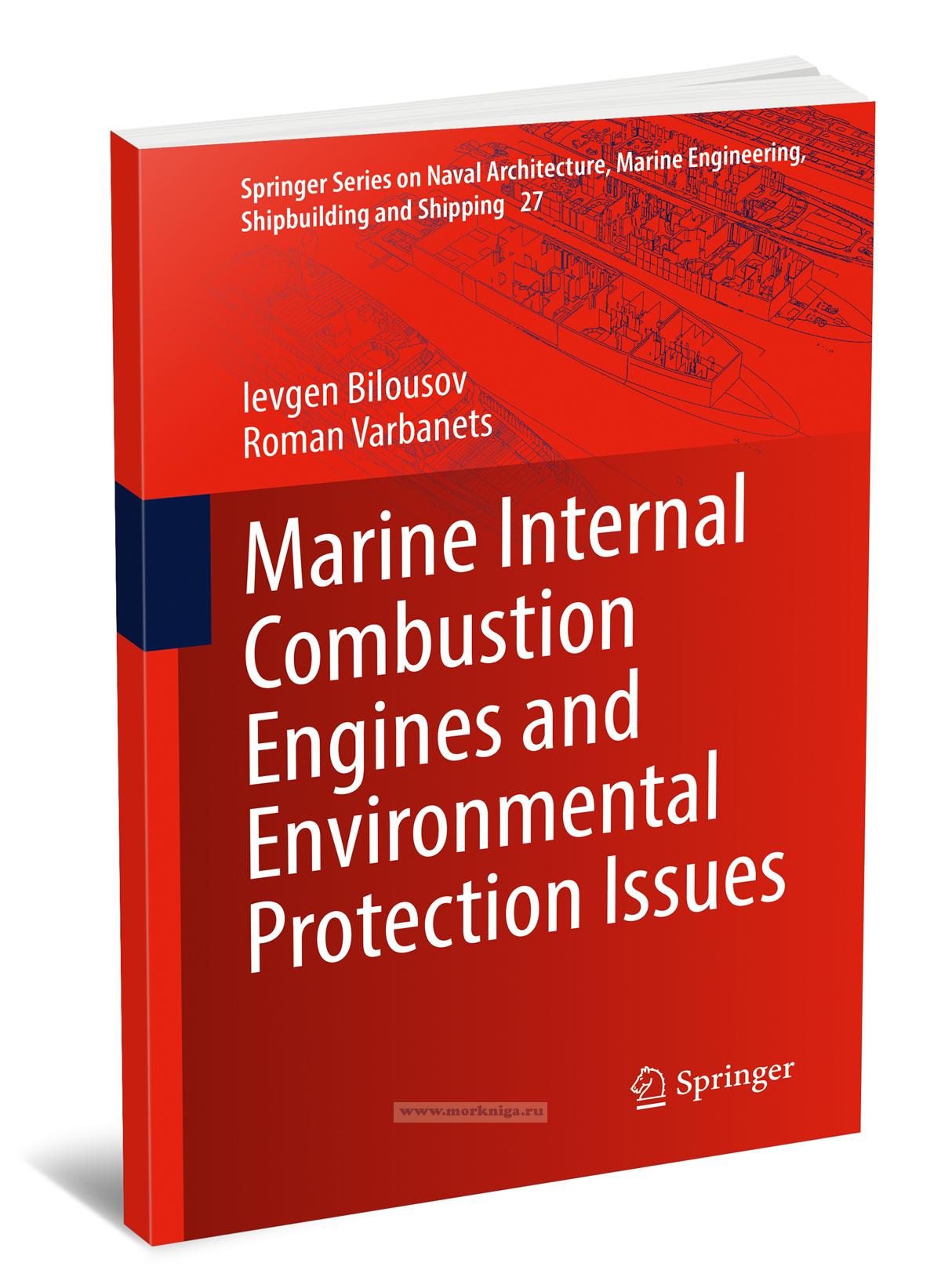
Marine Internal Combustion Engines and Environmental Protection Issues/Судовые двигатели внутреннего сгорания и вопросы охраны окружающей среды
Артикул: 00-01126018
в желания В наличии
Автор: levgen Bilousov, Roman Varbanets
Издательство: Springer (все книги издательства)
Место издания: Switzerland
ISBN: 978-3-032-20939-9
Год: 2026
Формат: А4 (210х297 мм)
Переплет: Мягкая обложка
Страниц: 275
Вес: 688 г
Издание на английском языке
This book examines the environmental aspects of operating marine internal combustion engines and reducing their environmental impact. It examines methods for reducing emissions of nitrogen and sulfur oxides, products of incomplete combustion, and greenhouse gases. Particular attention is paid to promising alternative marine fuels, including gas, low-temperature liquid fuels, ammonia, hydrogen, and biofuels, as well as the operating characteristics of marine engines using these fuels.
Content
1. Marine Internal Combustion Engines, Environmental Issues and Global Climate Change
2. Reducing Nitrogen Oxide Emissions from Marine Engines
3. Reducing Sulfur Combustion Products Emissions from Marine Engines
4. Reduction of Emissions of Products of Incomplete Combustion of Fuel
5. Reducing Greenhouse Gas Emissions
6. Alternative Marine Fuels and Prospects for Their Use on Ships
7. Gas Fuels and Their Use in Marine Engines
8. Use of Alternative Liquid Fuels with Low Flash Point: In Marine Engines
9. Use of Ammonia as a Carbon-Free Fuel for Marine Combustion Engines
10. Use of Hydrogen as a Fuel for Marine Internal Combustion Engines
11. Use of Biofuels for Marine Internal Combustion Engines
12. Features of the Organization of Work Processes in Ship Engines Running on Alternative Fuels
Отзывы покупателей (0)
У этого товара пока нет отзывов. Поделитесь впечатлением первым.