

Каталог▲▼
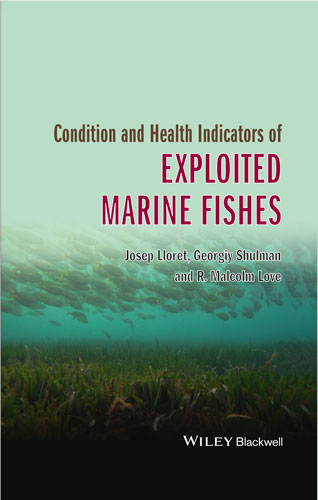
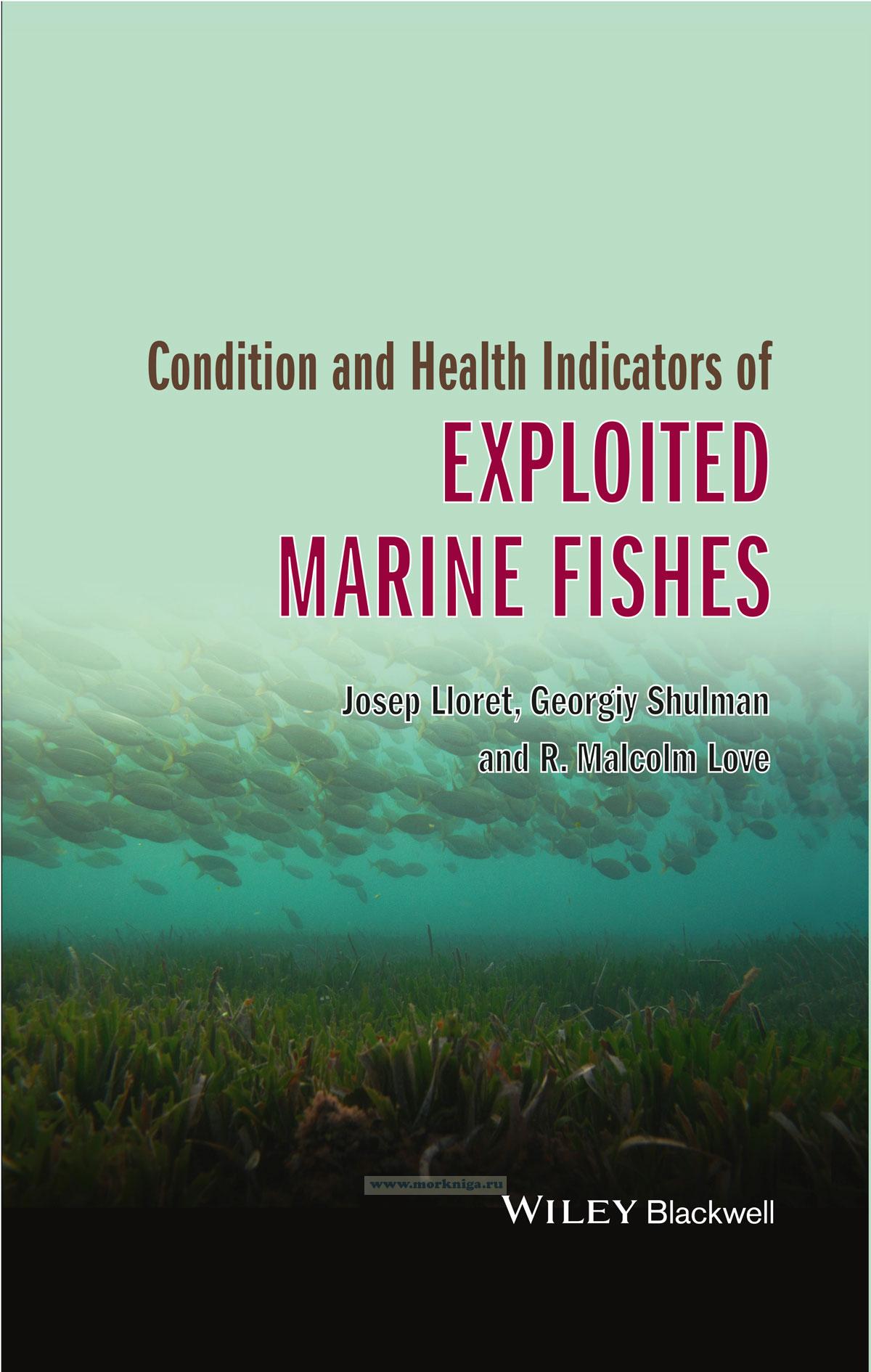
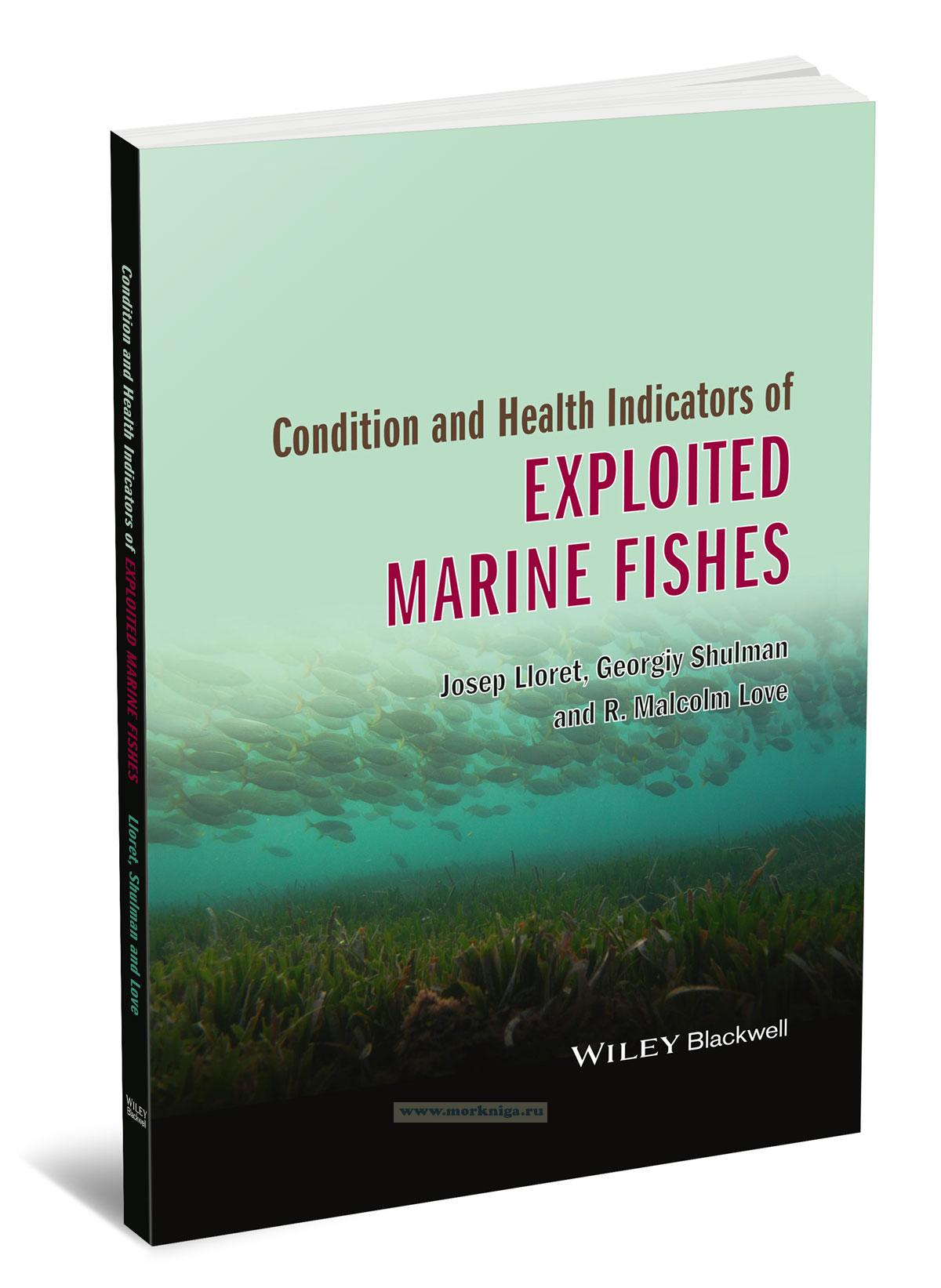
Condition and Health Indicators of Exploited Marine Fishes/Оценка состояния и здоровья промысловых морских рыб

Артикул: 00-01125704
в желания В наличии
Автор: Josep Lioret, Georgiy Shulman, R. Malcolm Love
Издательство: John Wiley & Sons Ltd (все книги издательства)
Место издания: UK
ISBN: 978-0-470-67024-8
Год: 2014
Переплет: Мягкая обложка
Страниц: 263
Вес: 682 г
Издание на английском языке
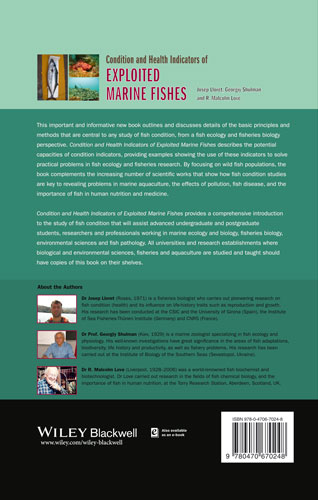
This publication is devoted to fish health indicators and their use in biology, ecology, and fisheries resource management. The book examines morphometric, physiological, and biochemical indicators reflecting fish nutrition, metabolism, growth, reproduction, and life cycle. The influence of the environment, climate, pollution, fisheries, and aquaculture is discussed separately, as well as the application of these data to assessing habitats, populations, and commercial stocks.
Content
Foreword
Preface
Acknowledgments
1. Description of condition indicators
1.1. Morphometric indicators
1.1.1. Fulton's K condition factor
1.1.2. Le Cren's relative condition factor (Kn)
1.1.3. Relative weight (Wr)
1.1.4. Other methods based on weights and lengths
1.1.5. Limits of use of morphometric condition indicators
1.2. Organosomatic (bioenergetic or morphophysiological) indicators
1.2.1. Hepatosomatic index (liver index or relative liver condition)
1.2.2. Mesenteric (adipose or perivisceral) fat index
1.2.3. Digestivosomatic index or digestive index
1.2.4. Limits of applicability of organosomatic indicators
2. Physiological and biochemical condition indicators: their relevance in fish metabolism
2.1. Basic concepts
2.1.1. Energy expenditures
2.1.2. Sub-organism metabolism
2.1.3. Blood: transport of energy
2.1.4. Alternative pathways of energy catabolism
2.1.5. Energy anabolism: accumulation of energy
2.2. Lipids
2.2.1. Lipids as energy substrates
2.2.2. Lipids as structural metabolic substrates
2.2.3. Fatty acids
2.2.4. Lipid analysis
2.2.5. Rapid methods for fat measurement in fish
2.3. Carbohydrates
2.4. Proteins and products of protein and nitrogenous metabolism
2.5. Nucleic acid-based indicators
2.6. Enzymes and some other indicators of intermediate metabolism
2.7. Hormones and other biologically active substances
3. Indicators of functional activity
3.1. Significance of condition indicators of functional activity in fish
3.2. Applied recommendations
4. Fish condition and life history
4.1. Fish condition during ontogenesis
4.1.1. Embryonic (eggs) and post-embryonic (larvae) development
4.1.2. Juveniles
4.1.3. Sexual maturation
4.1.4. Senescence
4.1.5. Post-spawning death
4.2. Impact of fish condition on life-history traits
4.2.1. Impact on reproductive potential
4.2.2. Impact on growth
4.2.3. Impact on natural mortality
4.2.4. Applied recommendations
4.3. Condition during the annual cycle
4.3.1. Pre-spawning period
4.3.2. Spawning
4.3.3. Post-spawning feeding
4.3.4. Wintering
4.3.5. Migrations
4.3.6. Applied recommendations
4.4. Other cycles
4.4.1. Daily rhythms
4.4.2. Interannual fluctuations
4.5. Connection indicators between fish metabolism, abundance dynamics, behavior, and distribution
4.5.1. Abundance dynamics
4.5.2. Behavior
4.5.3. Distribution
5. Influence of environmental and anthropogenic factors on fish condition
5.1. Biotic factors
5.1.1. Food consumption
5.1.2. Density effects on condition
5.1.3. Parasites
5.2. Abiotic factors
5.2.1. Temperature
5.2.2. Climate change
5.2.3. Oxygen deficiency
5.3. Anthropogenic factors
5.3.1. Pollution
5.3.2. Fishing
5.3.3. Aquaculture
6. Fish condition as a measure of environmental status and habitat quality
6.1. Fish condition as a measure of habitat quality
6.1.1. Large-scale differences in fish condition
6.1.2. Small-scale differences in fish condition
6.1.3. Condition as an indicator of habitat protection
6.1.4. Bathymetric quality
6.2. Condition of exploited fish and their predators
6.3. Fish condition as an indicator of climate-driven and anthropogenic changes in the ecosystem
6.4. Indicators of interspecific and intraspecific differentiation
7. Use of fish condition indicators to improve stock assessment and fisheries management
7.1. Fish condition and fishing mortality
7.2. Spatial and temporal variability: implications for fisheries
7.2.1. Seasonality
7.2.2. Interannual variability
7.2.3. Spatial variability
7.3. Fish condition and stock assessment and management
Conclusions
References
Index
Отзывы покупателей (0)
У этого товара пока нет отзывов. Поделитесь впечатлением первым.