

Каталог▲▼
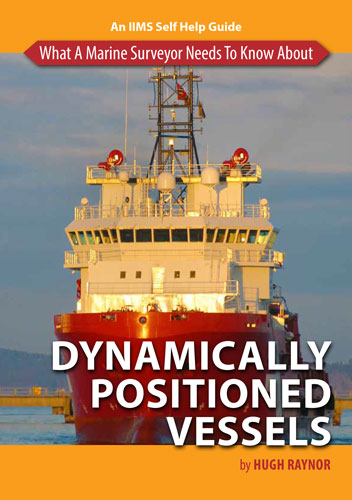
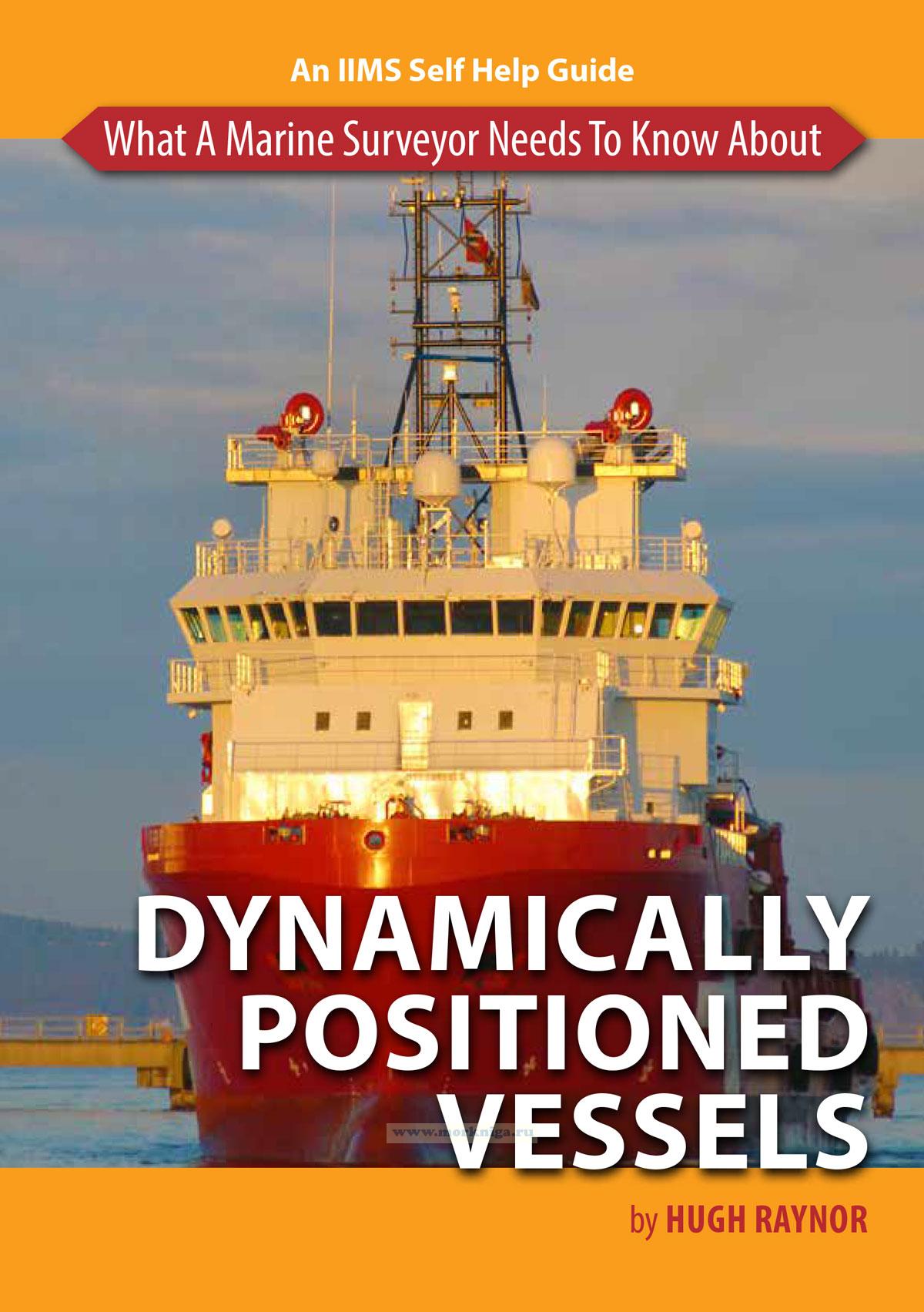
Dynamically positioned vessels/Суда с динамическим позиционированием


Артикул: 00-01125382
в желания В наличии
Автор: Hugh Raynor
Издательство: International Institute of Marine Surveying (все книги издательства)
Место издания: UK
Год: 2016
Формат: А4 (210х297 мм)
Переплет: Мягкая обложка
Страниц: 60
Вес: 141 г
Издание на английском языке
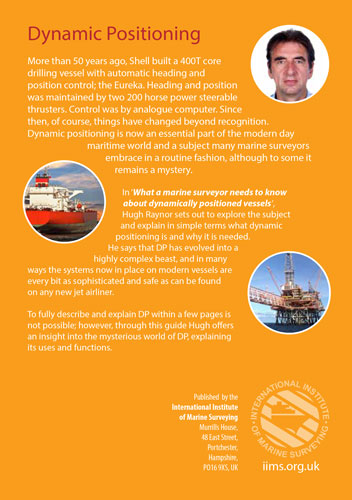
This publication is devoted to dynamic positioning systems for ships and their application in the maritime industry. The book examines the purpose of DP, its advantages over manual control, the types of vessels and operations for which such systems are used, as well as the main control modes and position-holding principles. It describes DP system components, position measurement instruments, gyrocompasses, wind sensors, satellite, laser, hydroacoustic, and inertial systems. Special attention is paid to energy, propulsion, redundancy, DP classes, IMO, classification society, and industry organization requirements, as well as inspections, FMEA, annual testing, ship documentation, checklists, logbooks, and DP operator qualifications.
Content
Introduction
Dynamic Positioning (DP)
Chapter 1. Dynamic positioning
The start
So what is it?
Why do we want it?
Driving a vessel manually
The same job on DP
So it's better than manual driving?
Chapter 2. Types of work suItable for DP vessels
Types of DP vessel
Benefits of fitting the DP system to various vessels
Cable ships
Crane ships
Cruise ships
Dive and rov support vessels
Dredging vessels
Drill ships
Floating production, storage and offloading tankers
Flotels
Pipe laying vessels
Platform supply and anchor handling vessels
Rock dumping vessels
Shuttle tankers
Chapter 3. Dynamic positioning how it works
General DP philosophy
Basic theory
Axis of movement
Control modes
Joystick
Joystick with auto heading
Joystick with part automatic combinations
Automatic DP control
Autotrack
Follow target
Least power heading
Weathervane
External force compensation
Alternative rotation points
Control system components
Gyro compass
Vertical reference unit
Wind sensor
Position measuring
Global navigation satellite system (GNSS)
Ideal GNSS
Real world GNSS
Other errors in GNSS systems
Differential GNSS
Laser measurements
Fanbeam
CyScan
Hydroacoustic position reference (HPR)
Long baseline (LBL)
Short baseline (SBL)
Ultra short base line (USBL)
Taut wire
Microwave systems
RadaScan
Radius
Inertial aided position references
Absolute and relative position references
DARPS
Use of multiple position reference systems at the same time
Tests on position measurements
Loss of position information
Chapter 4. The Rest of the DP system
Power system
Propulsion
The redundancy concept
Reliability
Chapter 5. DP class
Chapter 6. Who legislates IT
IMO
Classification societies
Flag state
Regional rules and guidance
IMCA
Dynamic Positioning Committee
The nautical Institute
Chapter 7. How do We know it's working properly
FMEA
FMEA proving trials
Annual trials
Additional benefits of an annual trial
DP equipment class 1 trials
FMEA re-verification trials
Chapter 8. Document checks for an audit of a DP vessel
Last DP trial
Recommendations
DP checklists
Field arrival trials checklist
Periodic checklist
Engine room DP checklist
Other checklists
Reasons for not having a comprehensive record of checklists
DP log book
DP incident record
FMEA and proving trials
The last DP trials
DP operations manual
Capability plots
Footprint plots
DPO qualifications
Nautical Institute
DNV
Offshore Service Vessel Dynamic Positioning Authority (OSVDPA)
About the author
Отзывы покупателей (0)
У этого товара пока нет отзывов. Поделитесь впечатлением первым.