

Каталог▲▼
Wreck of the Japanese type "A" midget submarine M24. Preliminary Archaeological Survey Report/Обломки японской сверхмалой подводной лодки типа "А" M24. Предварительный отчет об археологическом исследовании
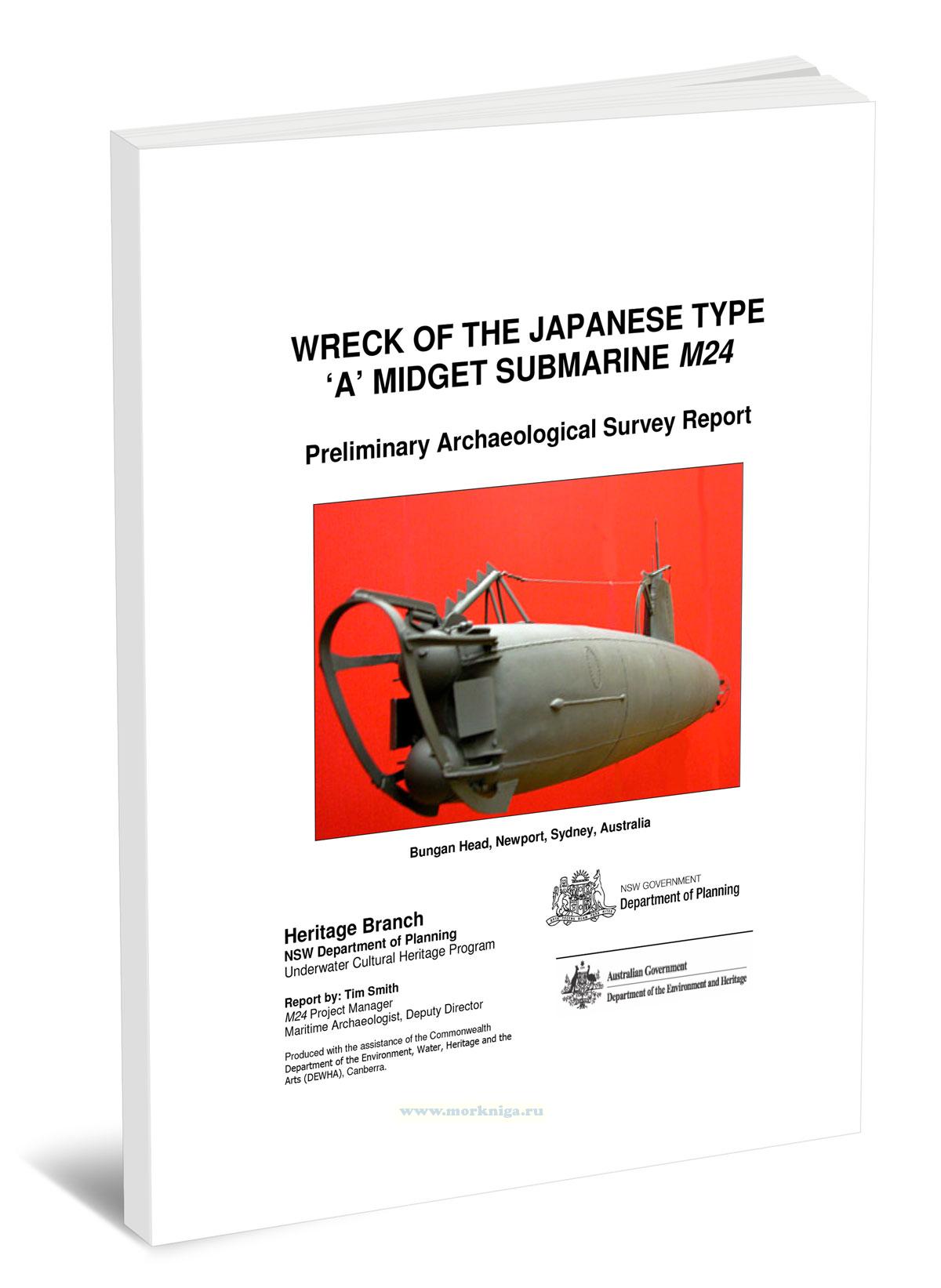
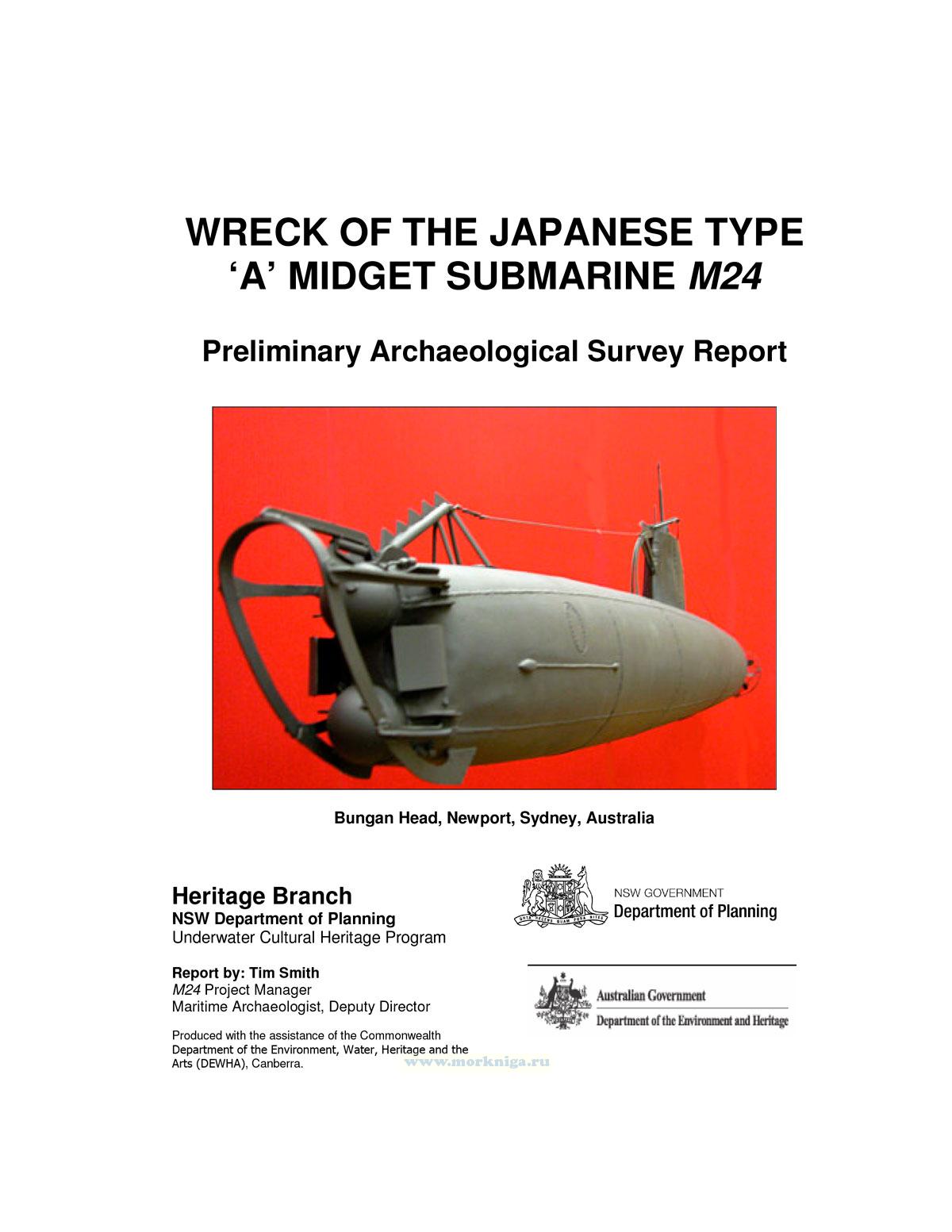
Издание на английском языке
This publication is dedicated to the archaeological survey of the Japanese midget submarine M24, which participated in the attack on Sydney Harbor. The book examines the history of its discovery, the technical features of the A-class submarines, the condition of the hull, and the results of underwater research. Particular attention is paid to the preservation of the site, legal protection, possible remains of the crew, unexploded ordnance, and recommendations for the future management of the historical site.
Content
Summary of preliminary archaeological survey findings
1.0. Introduction
1.1. Previous Heritage Office involvement with M24
1.2. Discovery
1.3. Environmental location of M24
1.4. Presentation of M24
2.0. Management Issues
2.1. Significance
2.2. Risks to site
2.3. Human remains
2.4. Unexploded Ordnance
2.5. Depth constraints
2.6. Heritage controls
3.0. Statutory Protection
3.1. Historic Shipwrecks Act 1976
3.2. New South Wales Heritage Act 1977
4.0. Historical setting of the Sydney Harbour attack
4.1. Midget 14 - Chuman and Ohmori
4.2. Midget "M24" - Ban and Ashibe
4.3. Midget 21 - Matsuo and Tsuzuku
5.0. Type A midget submarines: Historical background and displays
5.1. Midget submarine classifications
5.2. Midget submarines on museum display
5.3. Other midget submarines located underwater
6.0. Key management issues: Human remains and unexploded ordnance
6.1. Scuttling charges
6.2. The crew
6.3. Crew remains likely retained aboard
7.0. Archaeological Surveys - Methodology
7.1. Introduction
7.2. Sidescan Sonar Survey
7.3. Remote Operated Vehicle Surveys
7.4. Royal Australian Navy Clearance Diving Survey
8.0. Preliminary archaeological interpretation of survey data
8.1. M24 Orientation
8.2. Stern
8.3. Propellers
8.4. Engine (Motor) Room
8.5. Fouled line astern
8.6. Aft Battery Room - internal examination
8.7. Conning tower
8.8. Crew access ladder
8.9. Forward casing
8.10. Bow and torpedo tubes
8.11. Debris Field
9.0. Preliminary Discussion of Archaeological Findings
9.1. Exit confirmed
9.2. Recovery the goal?
9.3. Rendezvous Risk?
9.4. Don't give up the secrets?
9.5. M24 battle damage?
9.6. Transit time, fatigue, foul air and toxic fumes
9.7. Batteries
9.8. Why North?
9.9. A northern recovery position first proposed
9.10. Flexibility in recovery positions?
9.11. Impact with seabed?
9.12. Did M24 exit Sydney Harbour and enter Broken Bay?
9.13. Explanations for corrosion openings to hull
10.0. Site protection and ongoing management
10.1. A Question of Ownership
10.2. Public outreach and education program
11.0. Management recommendations
12.0. Conclusion
13.0. References
Appendix A: Media releases
Appendix B: Technical features of the "Type A" Midget Submarine
Appendix C: Probable relics to be retained within the M24 hull
Appendix D: Scuttling charges aboard M24 - initial risk assessment
Appendix E: Assessment of Significance
Отзывы покупателей (0)
У этого товара пока нет отзывов. Поделитесь впечатлением первым.