

Каталог▲▼
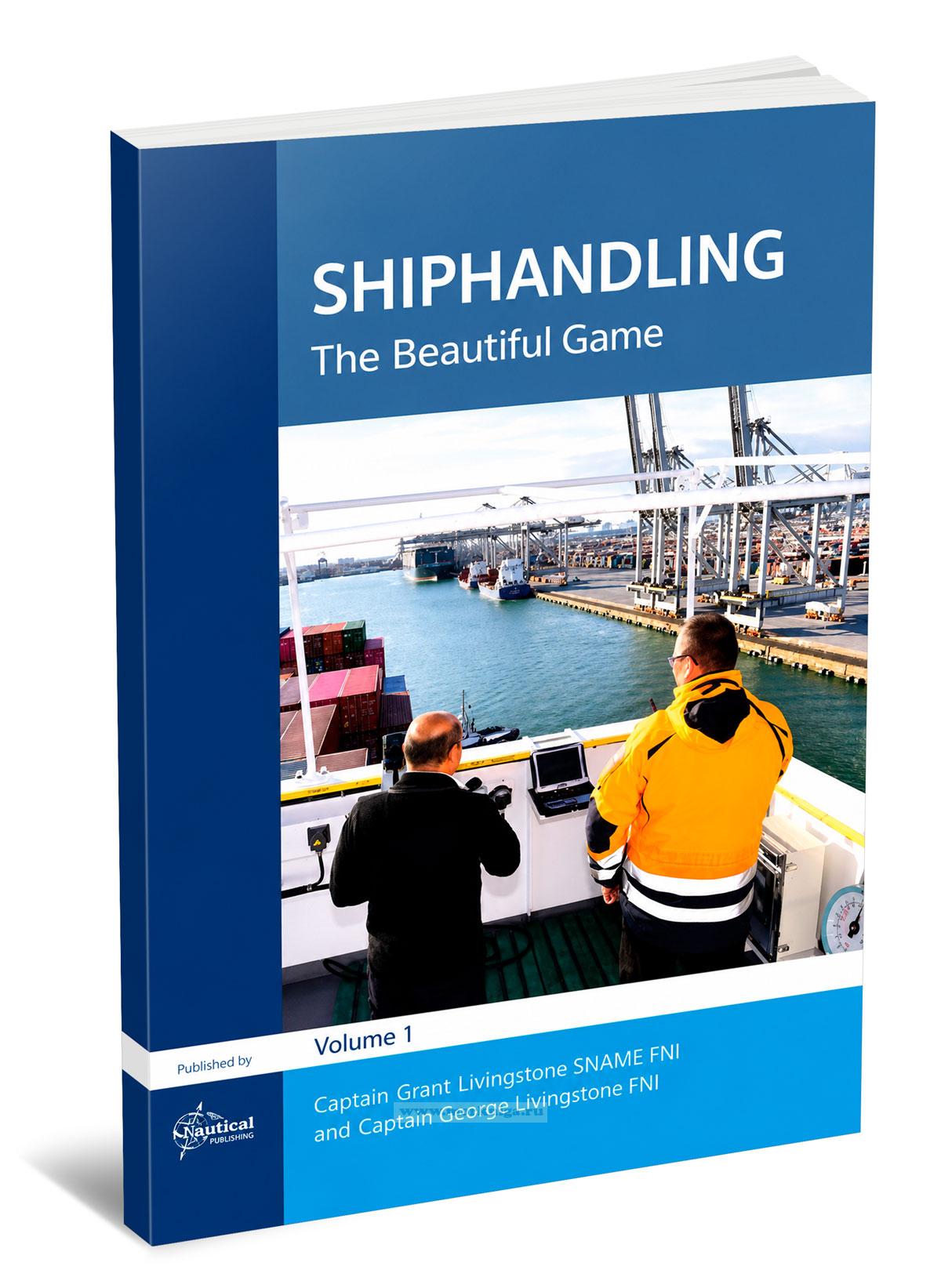
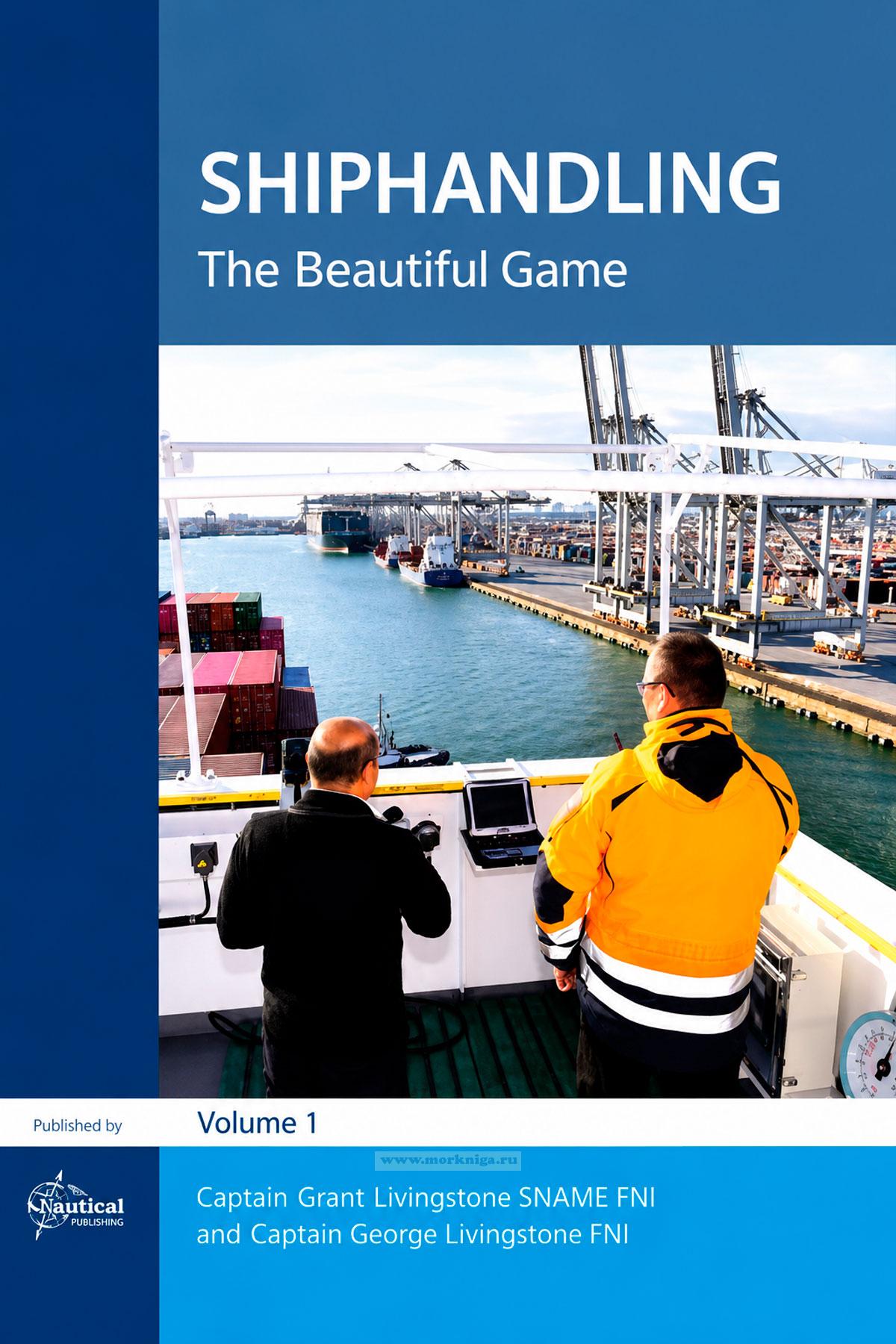
Shiphandling. The Beautiful Game. Volume 1/Управление судном. Прекрасная игра. Том 1
Артикул: 00-01125103
в желания В наличии
Автор: Grant H Livingstone, George H Livingstone
Издательство: The Nautical Institute (все книги издательства)
Место издания: London
ISBN: 9781 915488 47 3
Год: 2025
Переплет: Мягкая обложка
Страниц: 161
Вес: 405 г
Издание на английском языке
This publication focuses on practical vessel management and navigator work in challenging conditions. The book addresses emotions, pressure, decision-making, speed management, rudder control, turning, momentum, and vessel motion. It covers procedures in limited visibility, anchoring, navigating narrow canals and bridges, working with tugs, mooring and unmooring. Special attention is given to technology, distractions, professional conduct, and emergency response.
Content
Acknowledgements
List of abbreviations
Foreword
Introduction
Chapter 1. Emotions
Anger
Fear
Panic
Anxiety
Chapter 2. Shiphandling
Managing fundamentals
Strategy
Managing speed
Managing orders and commands
Manoeuvring points
Managing counter-orders
Managing rudders
What does the rudder tell us?
Managing rudder with sternway
Managing turns
Managing advance and transfer
Wheelhouse Poster
When to turn
Small rudder angles versus large rudder angles
Managing/monitoring turns
Managing rate of turn (ROT)
ROT power curve
ROT as a manoeuvring tool
Route-driving turns
Turning basins: "Slow, stop in centre, turn"
Managing directionally stable/unstable ships
Managing constant radius versus constant ROT versus constant rudder
Chapter 3. Managing pressure
Pressure: Croatia at the 2018 World Cup
Managing pressure
Confirmation and continuation bias: El Faro
Managing bias and complacency
Managing risk - philosophy
Managing deliberate calm
Chapter 4. Managing zero or reduced visibility
Radar adjustments
ECDIS and PPU dependence
90-degree approaches
Parallel approaches
Waypoint navigation
Chapter 5. Managing inertia and momentum
Inertia
Momentum
Chapter 6. Anchoring
Anchoring in slack water
The first anchoring experience - key principles
Anchoring into a current
Anchoring in a fair/following current
Anchoring in high wind
Dragging anchor (high wind and/or current)
Anchor size
Anchoring when current and wind are in opposition
Anchor use when manoeuvring
Emergency anchoring
Chapter 7. Narrow rivers, channels and bridges
Visible signs of squat
Bank suction
Narrow bridge transits
Chapter 8. Managing assist tugs
Managing professional relationships
Managing tug commands
Managing tug safety (ship crew and tug crew)
Managing assist tugs
Managing tug type and placement
Managing ASD tugs
Elements of a moment
CL aft and CL forward versus starboard/port bow, starboard/port quarter
CL forward
Conventional twin-screw tug placement
Single-screw tug placement
ASD, Voith, rotor: advantages and disadvantages
Managing towing manoeuvres
Towing ship controlling bow (with headway)
Towing ship controlling stern (with headway)
Chapter 9. Managing docking and undocking
Current and wind force
Approaching the dock
Docking port side to
Docking starboard side to
Docking in wind
Docking and turning in current
Turning
River undocking followed by turning
Loaded handysize bulker plus 5-knot current
Undocking
Undocking wind off berth
Undocking wind on to berth
Chapter 10. Managing dead ship movement
Chapter 11. Managing technology and distractions
Proper lookout
Triage
Post-mistake
Chapter 12. Managing professional conduct
Ego
Managing conflict
Taking the con
Challenging versus questioning
Situational awareness
Passive listening
Active listening
Professional observer
Conclusion
Appendices
1: USCG report: the last 18 minutes before grounding of Ever Forward (USCG, 2022)
2: Condensed El Faro timeline from VDR and NTSB report
References and further reading
About the authors
Отзывы покупателей (0)
У этого товара пока нет отзывов. Поделитесь впечатлением первым.