

Каталог▲▼
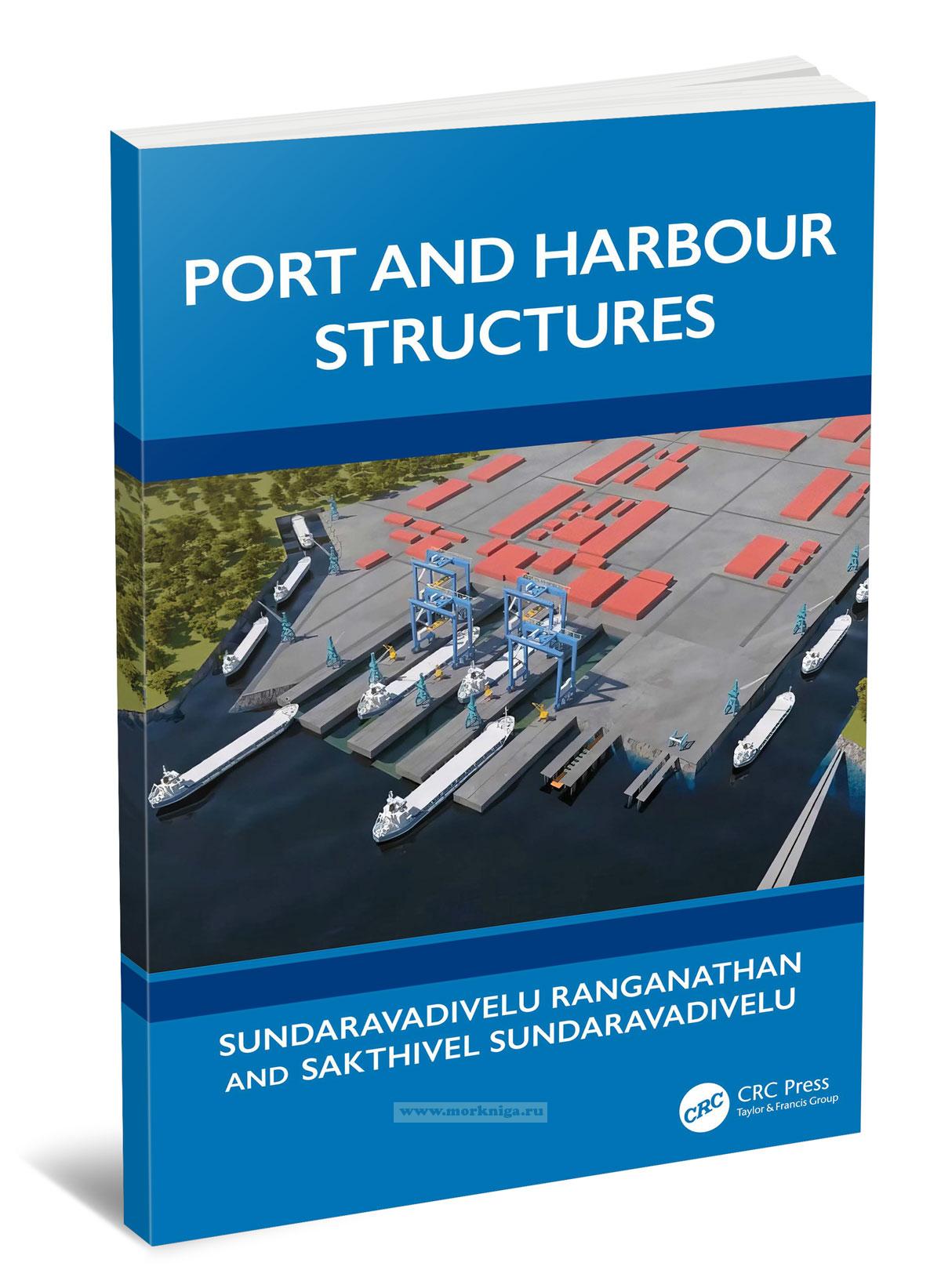
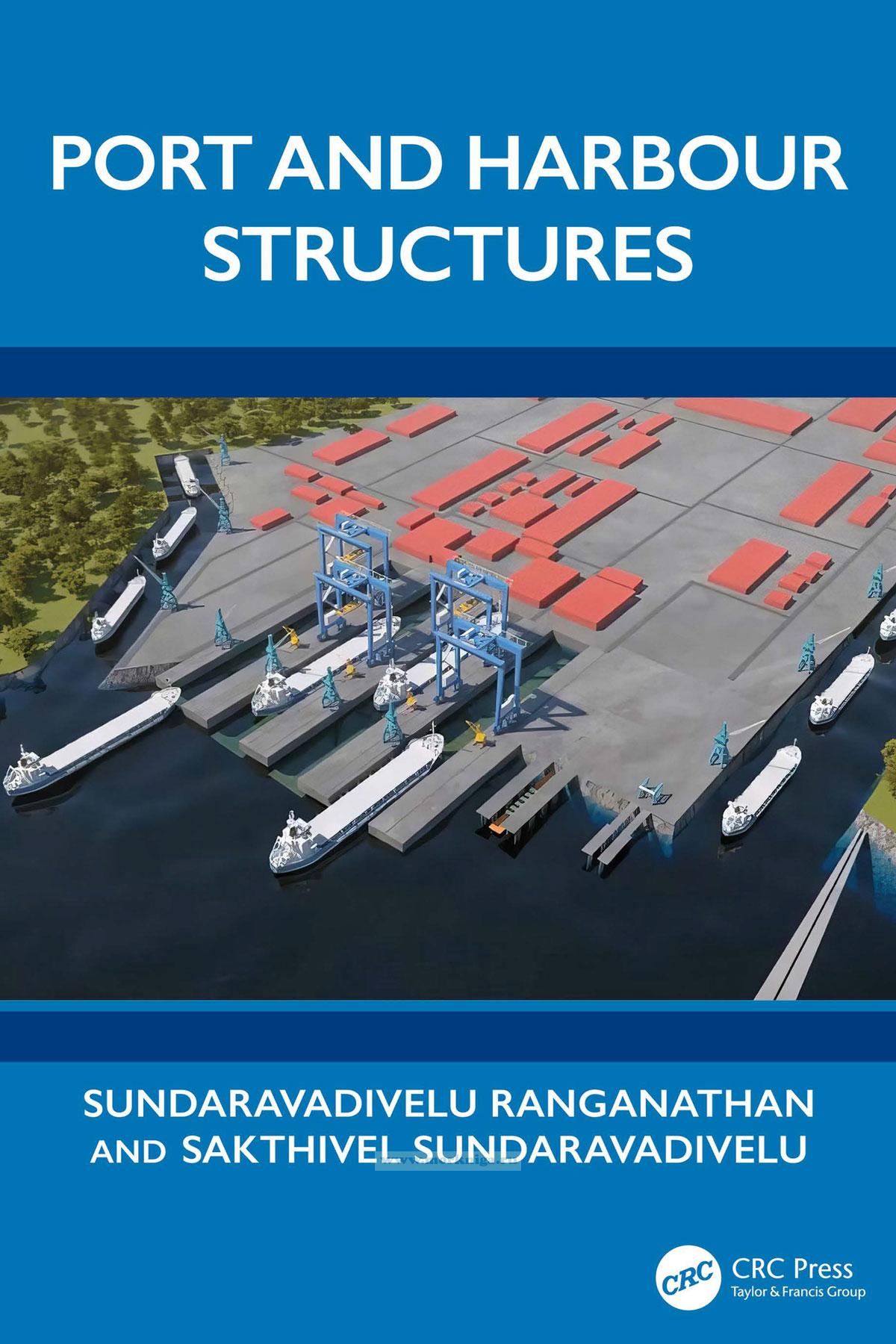
Port and Harbour Structures/Портовые сооружения и гавани
Артикул: 00-01125089
в желания В наличии
Издательство: CRC Press (все книги издательства)
ISBN: 978-1-032-42119-3
Год: 2026
Формат: А4 (210х297 мм)
Переплет: Мягкая обложка
Страниц: 408
Вес: 1018 г
Издание на английском языке
This publication is dedicated to the design and operation of port hydraulic structures. It examines harbor design, the marine environment, engineering surveys, regulatory requirements, and the main loads on port structures. It describes breakwaters, berths, pile foundations, fenders, bollards, ship repair infrastructure, dredging, environmental assessment, as well as the inspection, repair, and strengthening of existing structures.
Contents
Authors' Biographies
Preface
Acknowledgement
Chapter 1. Introduction
1.1. Ship Dimension
1.2. Harbour
1.3. Ocean Environment
1.4. Marine Survey
Review Questions
Chapter 2. Indian Codes
2.1. IS 4651 - Code of Practice for Port and Harbour Structures
2.2. IS 2911 Part I - Design and Construction of Pile Foundations - Code of Practice
2.3. IS 1893 (2016) - Criteria for Earthquake-Resistant Design of Structures
2.4. Comparison With International Codes
Review Questions
Chapter 3. Loads
3.1. Berthing Force
3.2. Mooring Force
3.3. Loads From Mechanical Handling Systems
3.4. Active Earth Pressure
3.5. Passive Earth Pressure
3.6. Differential Water Pressure
3.7. Seismic Force
3.8. Wave Force on Pile and Diaphragm Walls
3.9. Current on Piles
Review Questions
Chapter 4. Breakwaters
4.1. Types
4.2. Materials Used in Core and Armour
4.3. Tranquility
4.4. Coastal Erosion and Accretion
4.5. Design Consideration
4.6. Physical Model Study
Annexure 1
A. The Deepwater Breakwater on the West Coast of India
B. Accropode Placement for Offshore Breakwater
C. Design of Crown Wall for the Breakwater
D. Stability Analysis of Breakwater Through Numerical Modelling
Numerical Modelling Using Plaxis 2D
Results and Conclusion
Review Questions
Chapter 5. Berthing Structures
5.1. Berthing Structures
5.2. General
5.3. Load Combination
5.4. Fixity Depth, Soil Springs and Pile Capacity, and Pile Termination Criteria
5.5. Limit State of Collapse and Serviceability
5.6. Design of Substructure Components
5.7. Design of Deck With Precast and Cast In-Situ Construction
5.8. Pile Load Tests
Annexure I - Case Study
Stability of Iron Ore Berth to Handle Deep Draft Vessels
Problem Definition
Method of Analysis
Annexure II - Pile Foundation Capacity
Review Questions
Chapter 6. Fenders and Bollards
6.1. Fenders and Bollards
6.2. Testing of Fenders
6.3. Supporting Protocol
6.4. Verification/Quality Assurance Testing
6.5. Physical Properties of Rubber
6.6. Supporting Protocol
6.7. Verification/Quality Assurance Testing
6.8. Other Tests
6.9. Fender Spacing and Installation Requirements
6.10. Fixing
6.11. PIANC and Indian Code Comparison
6.12. Case Study - Testing of Fender
6.13. Bollards
Review Questions
Chapter 7. Infrastructure for Shipbuilding and Maintenance
7.1. Infrastructure for Shipbuilding and Maintenance
7.2. Slipway
7.3. Travel Lift
7.4. Ship Lift
7.5. Floating Dock
7.6. Dry Dock
7.7. Wet Basin
7.8. Summary
Annexure - Case Study
Major Shipyards in India
Review Questions
Chapter 8. Dredging and Disposal
8.1. Dredging and Disposal
8.2. Types
8.3. Capital and Maintenance Dredging
8.4. Dredge Disposal
8.5. Reclamation
Review Questions
Chapter 9. Environmental Impact Assessment and Environmental Management Plan
9.1. Environmental Impact Assessment (EIA) and Environmental Management Plan (EMP)
9.2. Coastal Regulation Zone (CRZ)
9.3. Environment Clearance
9.4. Terms of Reference
9.5. Detailed Project Report
9.6. One Season and Comprehensive Study
9.7. EMP and Monitoring
Review Questions
Chapter 10. Rehabilitation and Retrofitting
10.1. Rehabilitation and Retrofitting
10.2. Ultrasonic Pulse Velocity Test
10.3. Half-Cell Potential Tests
10.4. Core Sample Collection
10.5. Materials for Repair
10.6. Methodology
Review Questions
Index
Отзывы покупателей (0)
У этого товара пока нет отзывов. Поделитесь впечатлением первым.