

Каталог▲▼
Marine Corrosion of Steels/Коррозия стали в морских условиях
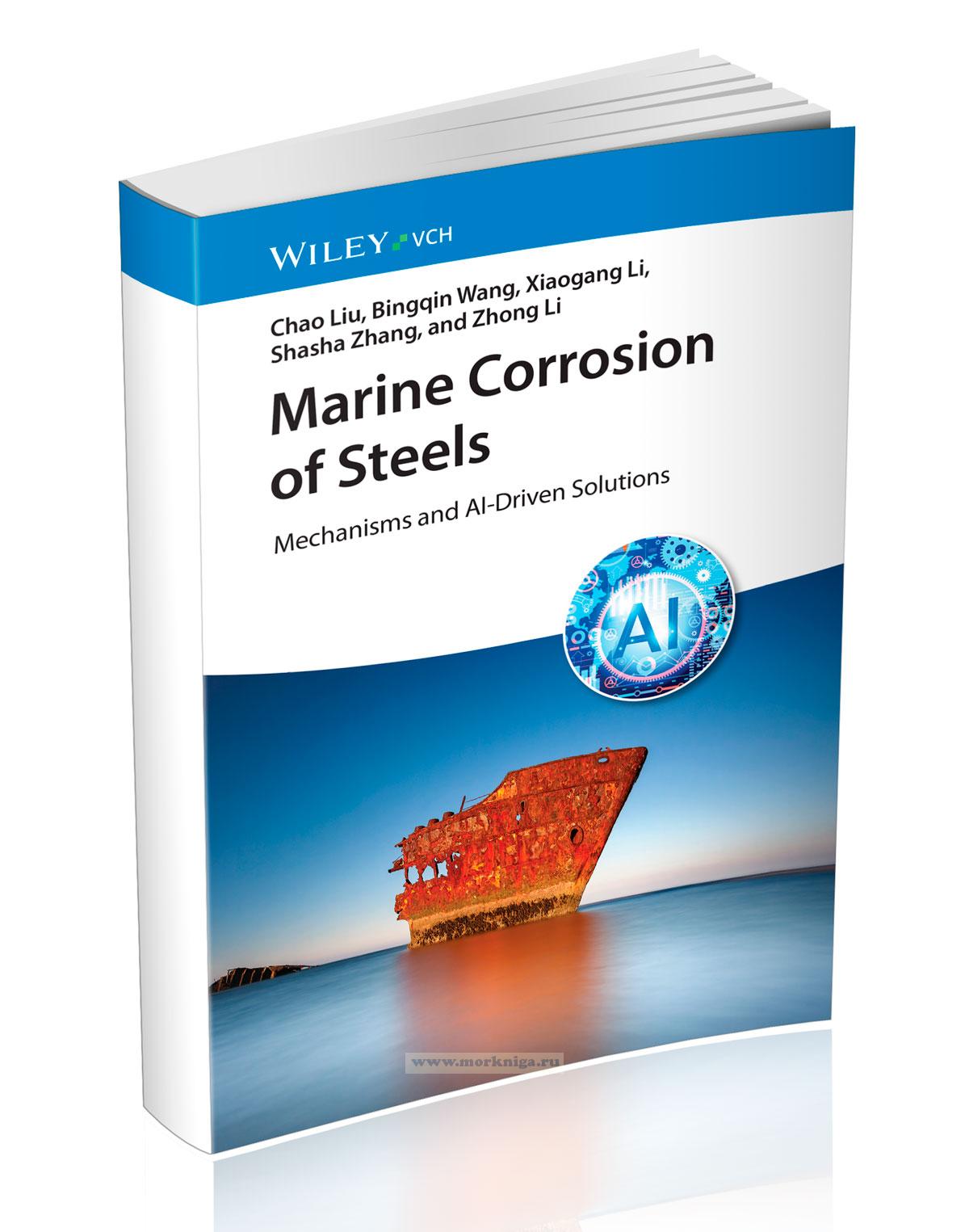
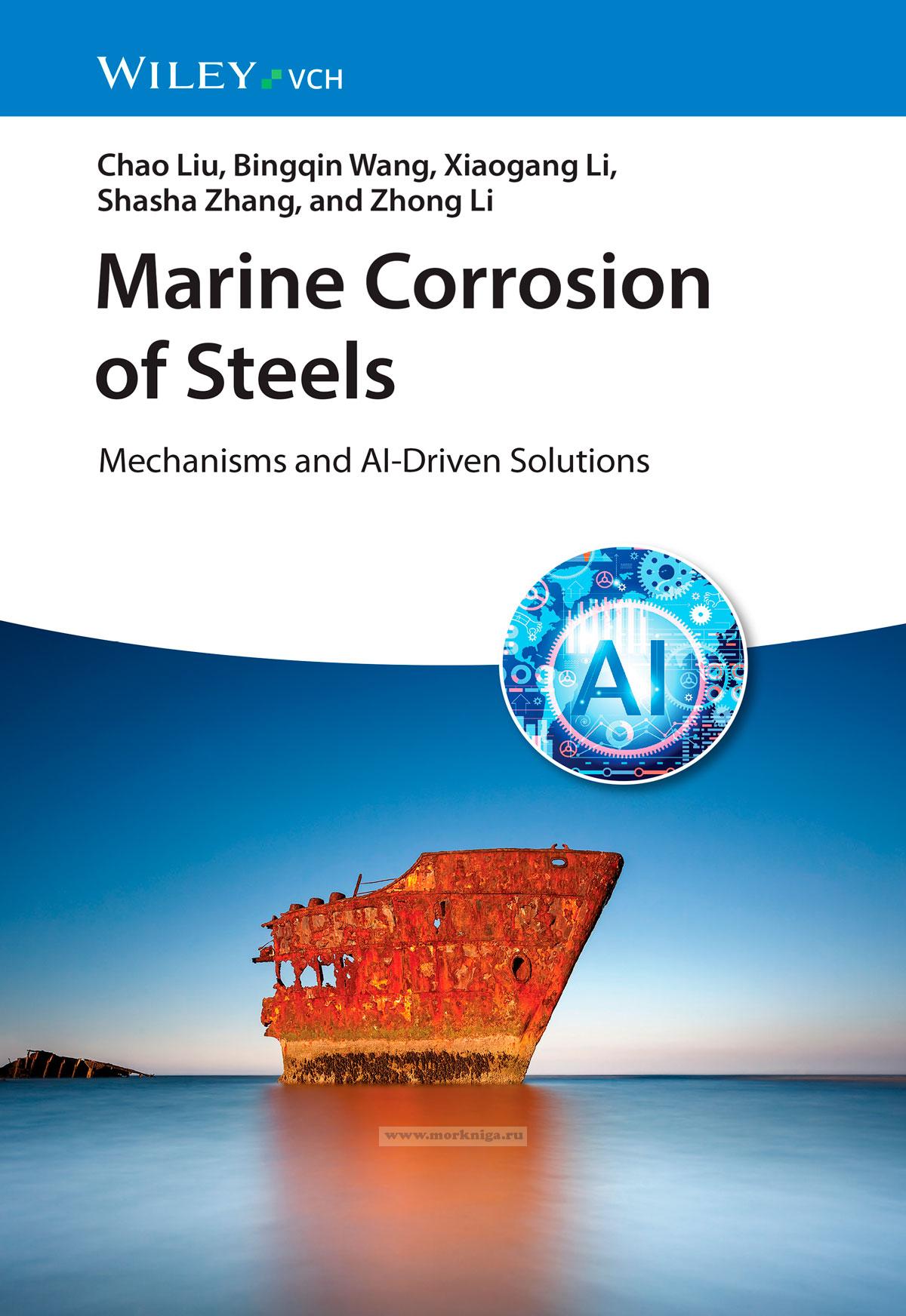
Артикул: 00-01125052
в желания В наличии
Автор: Chao Liu, Bingqin Wang, Xiaogang Li, Shasha Zhang, and Zhong Li
Издательство: Wiley (все книги издательства)
Место издания: Germany
Серия: Защита от коррозии на судах
ISBN: 9783527355938
Год: 2026
Формат: А4 (210х297 мм)
Переплет: Мягкая обложка
Страниц: 611
Вес: 1776 г
Издание на английском языке
This publication is dedicated to modern research on the corrosion and corrosion resistance of metallic materials in marine, atmospheric, and industrial environments. It examines the behavior of high-manganese steels during stress corrosion and corrosion fatigue, the influence of sulfur, chlorides, and microalloying elements on the failure and protective properties of alloys, and the degradation of titanium-steel composites and ductile iron pipes. Special attention is given to reinforcing steels, blast furnace gas pipelines, and low-alloy corrosion-resistant steels. The publication also describes methods for intelligent corrosion assessment based on big data, machine learning, predictive modeling, and the application of artificial intelligence to study corrosion mechanisms and develop new alloys.
Content
Foreword
Preface
1. Stress Corrosion Behavior of High-manganese Steel in Polluted Marine Atmospheric Environments
1.1. Introduction
1.2. Early-stage Corrosion Initiation Behaviors of Composite Inclusions in High-manganese Steel
1.3. Corrosion Behaviors and Mechanisms of High-manganese Steel in Sulfur- and Chloride-containing Environments
1.4. Research on the SCC Behaviors and Mechanisms of High-manganese Steel in Sulfur- and Chloride-containing Environments
1.5. Chapter Summary
References
2. Corrosion Fatigue Behavior of High-manganese Steel in Atmospheric Environment
2.1. Introduction
2.2. Early Corrosion Initiation Behavior of High-manganese Steel in Simulated Atmospheric Environment
2.3. Corrosion Laws and Mechanisms of High-manganese Steel in Simulated Atmospheric Environments
2.4. Corrosion Fatigue Laws and Mechanisms of High-manganese Steel in Simulated Atmospheric Environments
2.5. Chapter Summary
References
3. Effect of Microalloying Elements on the Corrosion Resistance of Low-density Steel
3.1. Introduction
3.2. Effect of Cr and Ni on the Corrosion Resistance of Fe-Mn-Al-C Low-density Steel
3.3. Effect of Cr-Ni Microalloying on the Corrosion Resistance of Fe-Mn-Al-C Low-density Steel with Heat Treatment
3.4. Chapter Summary
References
4. Interaction of Multiple Corrosion Modes During the Degradation of Titanium-Steel Composites
4.1. Introduction
4.2. Corrosion Mechanism of TA2-Q345B Composite Plate
4.3. Degradation Process of TA2-Q345B Composite Sheet in Synthetic Contaminated Seawater Environment
4.4. Chapter Summary
References
5. Effects of Corrosion Inhibitors and Flow Rate on the Corrosion Resistance of Ductile Iron Pipes
5.1. Introduction
5.2. Study on the Difference of Microstructure and Corrosion Resistance
5.3. Corrosion Resistance Difference of Materials in Simulated Solutions
5.4. Analysis of Corrosion Kinetics Process of Materials
5.5. Chapter Summary
References
6. Application of Novel Big Data Intelligent Corrosion Assessment Approach in Rebar Corrosion Resistance Modulation
6.1. Introduction
6.2. Mechanism of the Effect of Cr/RE Modulation on the Corrosion Resistance of Rebars in Cl-containing Environments
6.3 Service Performance Characterization of Low-alloy Rebar Based on Corrosion Online Monitoring Technology
6.4. Chapter Summary
References
7. Application of Novel Big Data Intelligent Corrosion Assessment Approach in Blast Furnace Gas Pipe Steel Corrosion Resistance Analysis
7.1. Introduction
7.2. Thermodynamic Analysis of Corrosion Resistance of BFG in Complex Environment
7.3. Electrochemical Behavior of Q235 Carbon Steel in Complex BFG Environments
7.4. Comprehensive Analysis of the Q235 Carbon Steel Corrosion Failure of BFG Pipeline
7.5. Application of Corrosion Big Data Techniques in Determining Failure Factors of Gas Pipelines
7.6. Chapter Summary
References
8. Application of Novel Big Data Intelligent Corrosion Assessment Approach in Corrosion-resistant Low-alloy Steel Development
8.1. Introduction
8.2. 3Cr Steel Corrosion Behavior in Tropical Marine Atmosphere: Effects of Mo and Sn Microalloying
8.3. Influence of Microstructure Differences on Corrosion Resistance
8.4. Study on Corrosion Resistance Evaluation Model
8.5. Chapter Summary
References
9. Application of Novel Big Data Intelligent Corrosion Assessment Approach in Corrosion Prediction and Data Mining Modeling
9.1. Introduction
9.2. The Dose-Response Prediction Function Modeling Method for Corrosion, Driven by Big Data Technology
9.3. Method for Corrosion Prediction and Data Mining Modeling Driven by Big Data Technology and Machine Learning for Corrosion
9.4. Big-Data-powered Picture Recognition Technique for Predicting Atmospheric Corrosion
9.5. Chapter Summary
References
10. Perspectives on the Application of Artificial Intelligence in Investigating Corrosion Mechanisms of Steel and Designing Corrosion-resistant Alloys
10.1. Introduction
10.2. Key Directions for AI-driven Corrosion-resistant Steel Alloy Design
10.3. Challenges and Countermeasures
10.4. Conclusion
References
Index
Отзывы покупателей (0)
У этого товара пока нет отзывов. Поделитесь впечатлением первым.