

Каталог▲▼
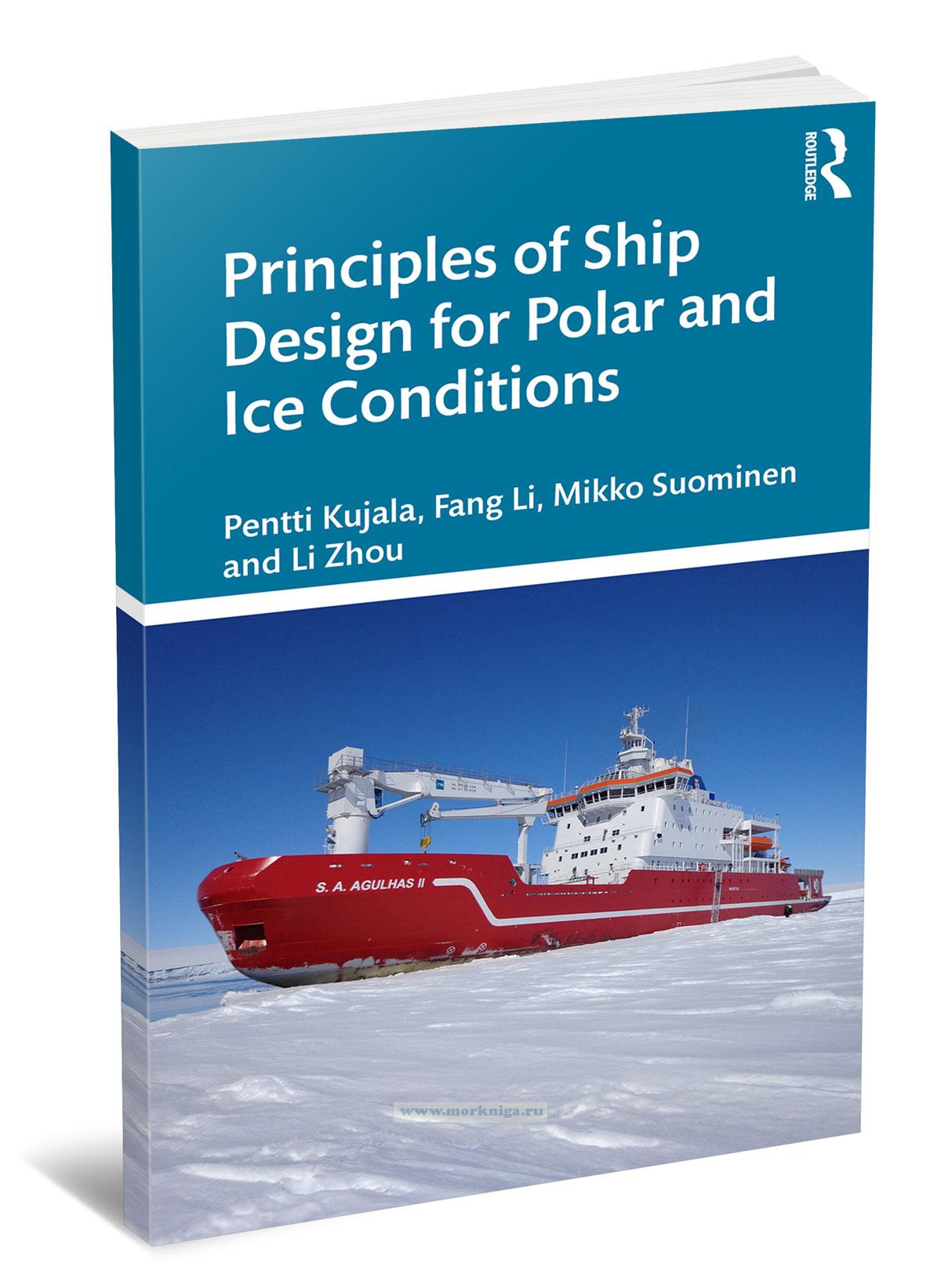
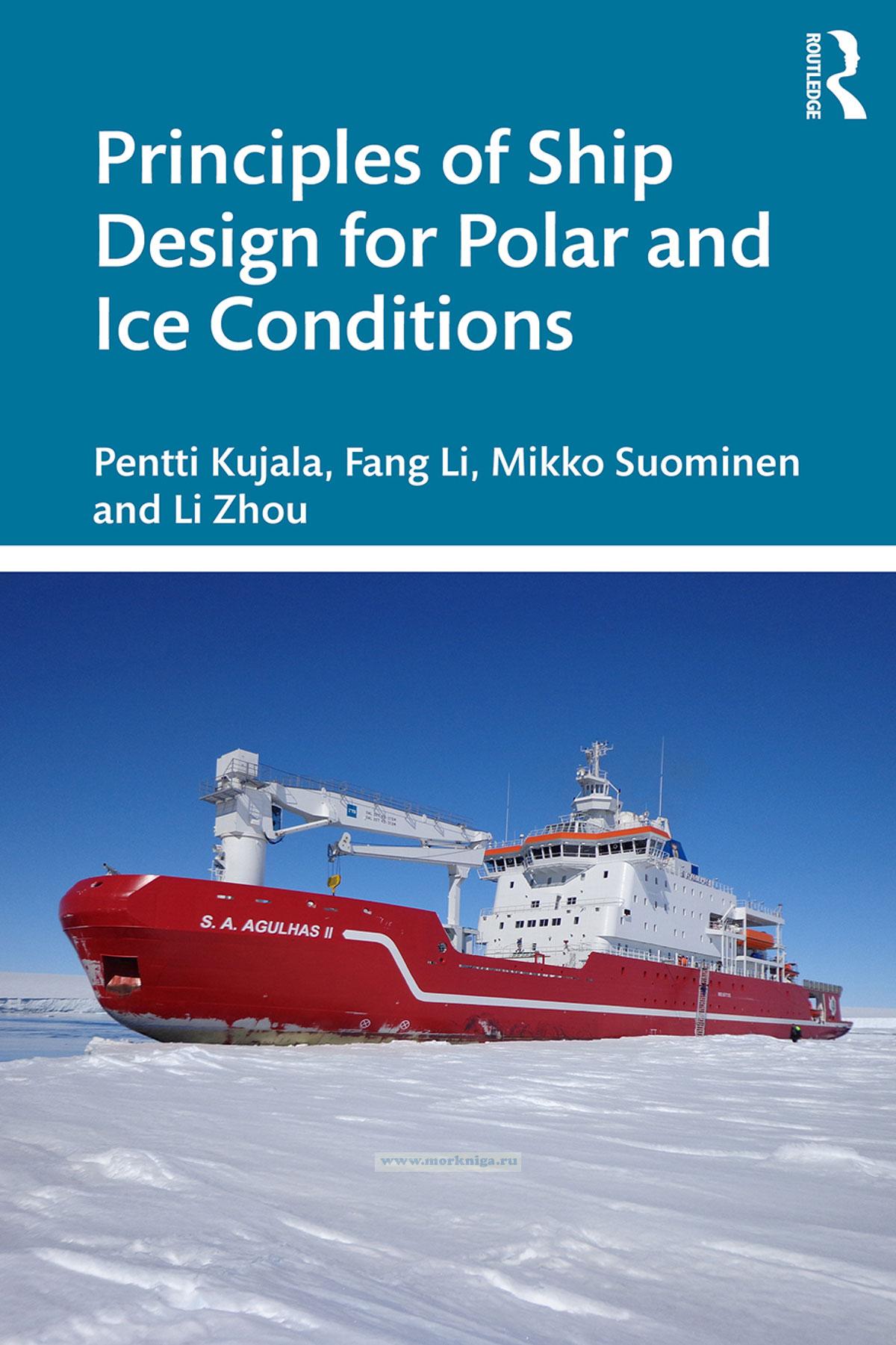
Principles of Ship Design for Polar and Ice Conditions/Принципы проектирования судов для полярных и ледовых условий
Артикул: 00-01125028
в желания В наличии
Автор: Pentti Kujala, Fang Li, Mikko Suominen, Li Zhou
Издательство: Routledge (все книги издательства)
Место издания: New York
ISBN: 978-1-041-14921-7
Год: 2026
Формат: А4 (210х297 мм)
Переплет: Мягкая обложка
Страниц: 232
Вес: 581 г
Издание на английском языке
This publication covers the design, operation, and research of vessels operating in polar and ice conditions. It examines the specifics of Arctic shipping, the natural environment of polar seas, the principles of vessel movement in ice, icebreaker support, and ice management. It provides a detailed description of the formation, structure, physical and mechanical properties of sea ice, the interaction of a vessel's hull and propulsion systems with ice, ice loads, resistance, maneuverability, and propulsion characteristics. Special attention is given to ice strengthening regulations, Polar Code requirements, risk-based design, and experimental and numerical methods for assessing ice loads and vessel performance. The book is intended for specialists in shipbuilding, marine engineering, ice navigation, and polar fleet operations.
Contents
About the Authors
Preface
Acknowledgements
Chapter 1. Introduction to Polar Activities
1.1. Polar Activities
1.1.1. Natural Resources
1.1.2. Destination-Arctic Shipping
1.1.3. Trans-Arctic Shipping
1.1.4. Arctic Cruising
1.2. Polar Sea Environment
1.3. Polar Ships
1.4. Ship Operation Principles in Ice
1.4.1. Icebreaker Assistance Principles
1.4.2. Ice Management Principles
1.4.3. Summary
References
Chapter 2. Ice Formation and Properties
2.1. Development of Sea Ice
2.1.1. Ice Formation Process
2.1.2. Ice Thickness Growth
2.1.3. Crystalline Structure of Sea Ice
2.2. Deformation and Forms of Sea Ice
2.3. Ice Physical Properties
2.3.1. Temperature
2.3.2. Density
2.3.3. Salinity
2.3.4. Porosity
2.4. Ice Mechanical Properties
2.4.1. Ice as an Engineering Material
2.4.2. Tensile and Flexural Loading
2.4.3. Uniaxial Compression
2.4.4. Elastic Modulus and Poisson's Ratio
2.4.5. Fracture Toughness
2.4.6. Complex Stress State and Failure Envelope
2.5. Summary
References
Chapter 3. Ship-Ice Interaction
3.1. Phenomena and Energy Flow
3.1.1. Phenomena at Different Scales
3.1.2. Energy Flow during Interaction
3.2. Ice Failure and Motion
3.2.1. Crushing, Flaking and Contact
3.2.2. Bending Failure and Splitting
3.2.3. Buckling and Rubble Accumulation
3.3. Structural Response
3.4. Propeller-Ice Interaction
3.4.1. Historical Preview
3.4.2. Development towards the Current Iacs
Ice-Class Rules
3.5. Summary
References
Chapter 4. Ice Loading on Ship Hull
4.1. Energy-Based Method
4.1.1. Assumptions
4.1.2. Reduced Mass and Velocity
4.1.3. Ship Colliding Ice Floe
4.1.4. Ship Colliding Thick Ice Sheet
4.1.5. Flexural Limit
4.1.6. Application of Popov Method in Polar Rules
4.2. Wedge Bending Solution
4.2.1. Assumptions
4.2.2. Derivation
4.2.3. Demonstration
4.3. Probabilistic Methods
4.3.1. Principles
4.3.2. Event-Maximum Method
4.3.3. Modelling of Distribution Parameters to Link Them with Prevailing Ice Conditions
4.3.4. High-Pressure Zone (HPZ) Method
4.4. Summary
References
Chapter 5. Ship Performance in Ice
5.1. Resistance in Ice
5.1.1. Background for Resistance in Ice
5.1.2. Formulation of Resistance in Ice
5.1.3. Resistance in Level Ice
5.1.4. Resistance in Ridged Ice and Brash Ice Channel
5.2. Manoeuvring in Ice
5.3. Propulsion in Ice
5.3.1. The History of Propulsion in Ice
5.3.2. Propulsion Efficiency in Ice
5.3.3. Pod Propulsion in Ice
5.3.4. The Net Thrust Model
5.4. Summary
References
Chapter 6. Polar Ship Rules
6.1. Design Philosophy
6.2. Ice-Strengthening Rules for Ships
6.2.1. Finnish-Swedish Ice-Class Rules
6.2.2. Russian Ice-Class Rules
6.2.3. IACS PC Rules
6.2.4. Comparison on Various Ice-Classes
6.3. Propulsion Rules
6.4. Operational Rules, Polar Code
6.4.1. Background
6.4.2. Sources of Hazards Leading to Elevated Levels of Risk in Polar Waters
6.4.3. Content
6.4.4. Polaris
6.5. Risk-Based Design
6.6. Summary
References
Chapter 7. Experimental Methods
7.1. Model-Scale Experiments
7.1.1. General
7.1.2. Scaling
7.1.3. Model-Scale Ice
7.1.4. Resistance in Ice
7.1.5. Propulsion Test in Ice
7.1.6. Local Loads on Ship's Hull
7.2. Full-Scale Tests of Ice-Induced Loads on Ship Hull
7.3. Ice-Load Evaluation Using Damage Statistics
7.3.1. Accident and Ship Hull Damage Statistics
7.3.2. Evaluation of the Ice-Induced Loads from Damages
7.4. Summary
References
Chapter 8. Numerical Methods
8.1. Local Ice Loads and Structural Response
8.1.1. General Setups
8.1.2. Ice Material Model
8.1.3. Crack Evolution
8.1.4. Method of Verification
8.1.5. Method of Validation
8.1.6. Example
8.2. Ship Performance
8.2.1. Empirical-Analytical Numerical Method
8.2.2. Computational Solid Mechanics Method
8.3. Propeller Ice Loads and Propulsion Performance
8.4. Summary
References
Appendix I: Summary of icebreakers in service and under construction
Index
Отзывы покупателей (0)
У этого товара пока нет отзывов. Поделитесь впечатлением первым.