

Каталог▲▼
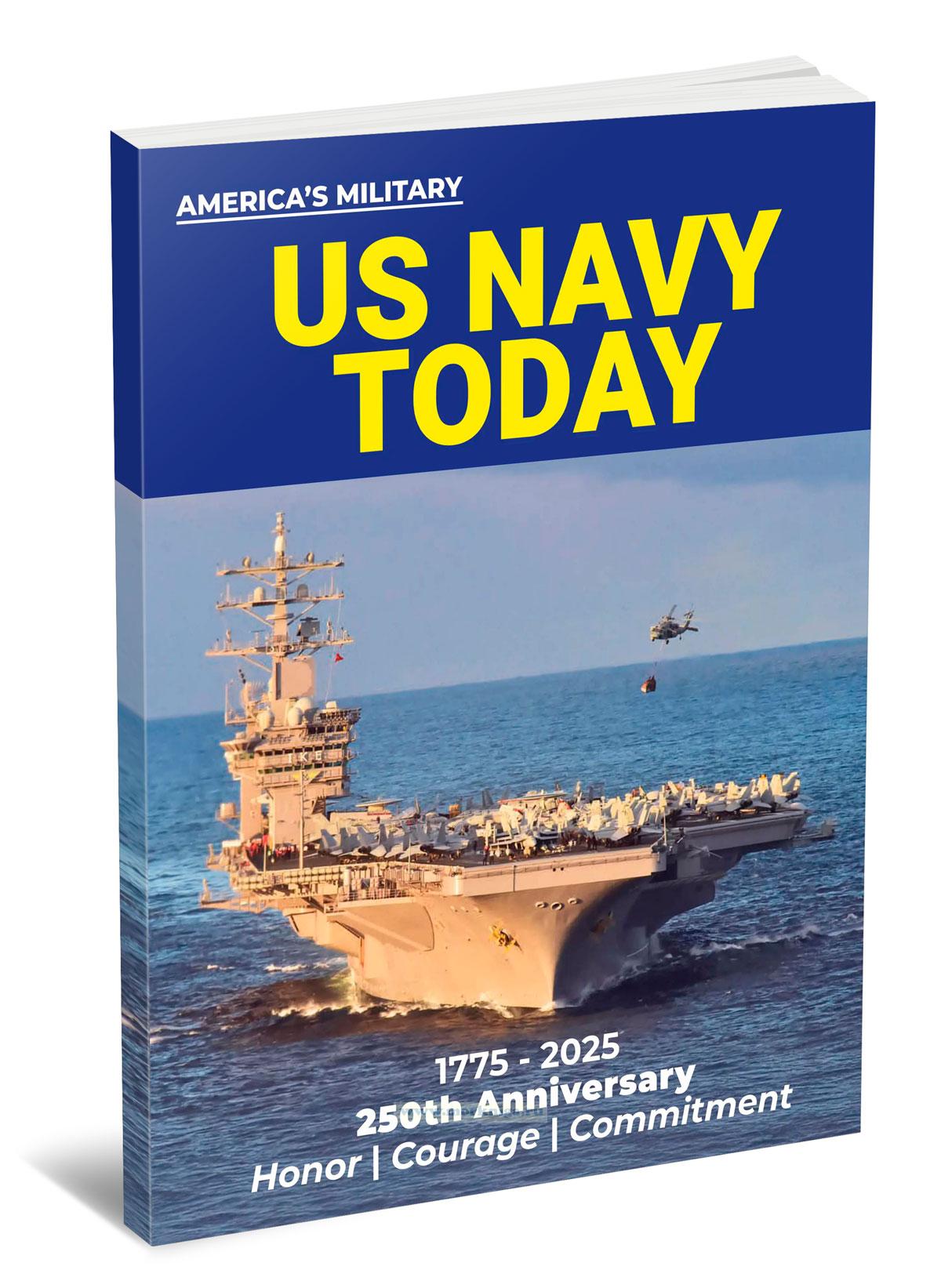
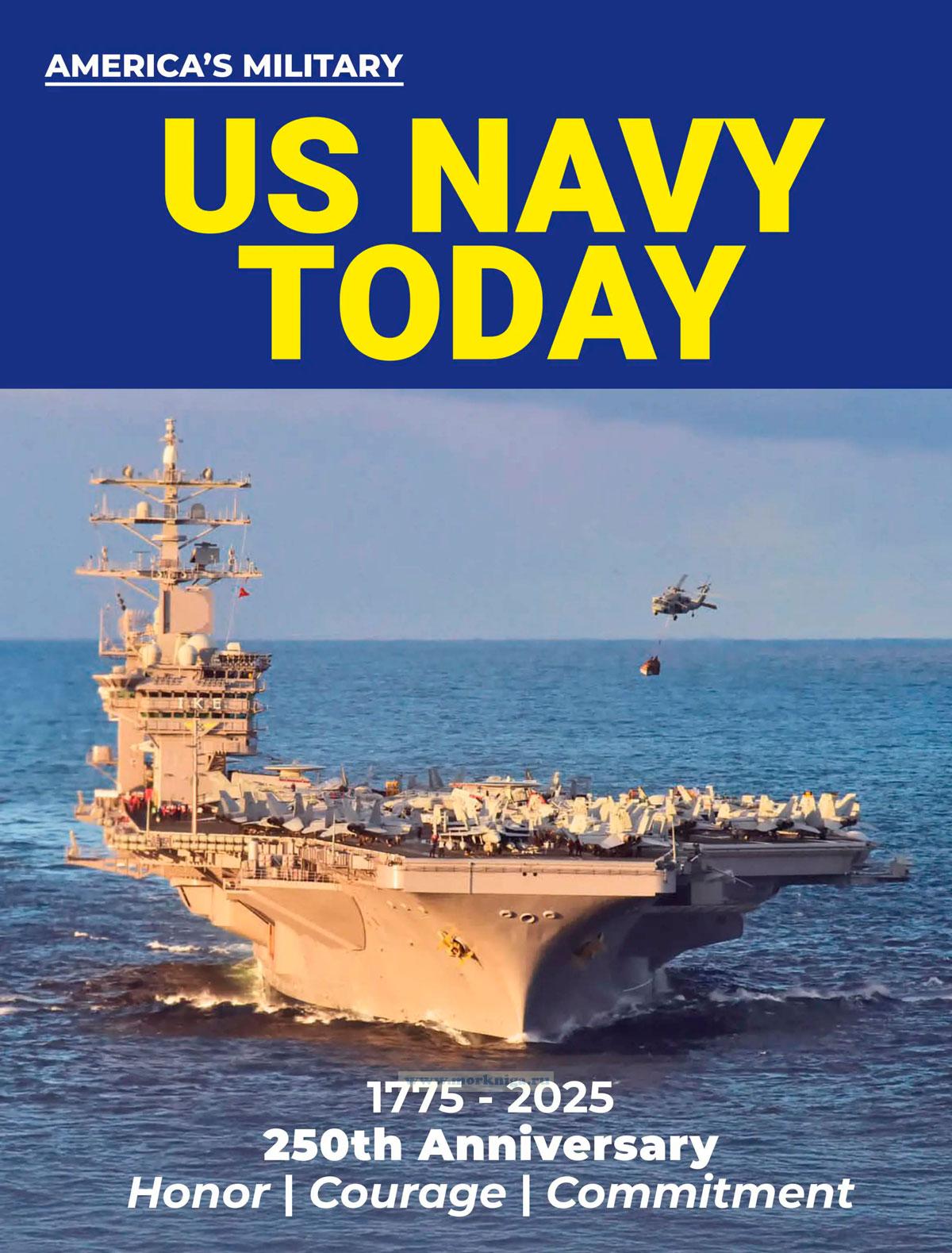
The US Navy Today/Военно-морские силы США сегодня
Артикул: 00-01124756
в желания В наличии
Издательство: Kelsey Publishing Ltd (все книги издательства)
ISBN: 978-1-917518-15-4
Год: 2025
Переплет: Мягкая обложка
Страниц: 204
Вес: 512 г
Издание на английском языке
This book explores the modern capabilities of the US Navy as a global maritime force and an instrument of Washington's foreign policy. It examines carrier strike groups, nuclear-powered supercarriers, the surface fleet, destroyers, submarines, carrier-based aircraft (including the F-35), amphibious operations, Navy SEALs, and the US Marine Corps. Special attention is given to the Navy's role in power projection, supporting expeditionary operations, the technological development of the US Navy, and the growing rivalry with China in the Asia-Pacific region.
Content
Chapter one-global capability
The US Navy fields the most powerful maritime fighting force in the world, with the ability to project raw military power and, where required, demonstrate its capability in order to influence political aims or negotiations. It operates two fleets, based on the eastern and western coasts of the US from where carriers, cruisers, destroyers and submarines dominate the world, ensuring its place as a key enabler of Washington’s foreign policy.
Chapter two - the carrier fleet
The US Navy’s nuclear-powered super-carriers are the prestigious spearhead of American naval capability, projecting power across the world's oceans. In 2025 America has the biggest carrier fleet in the world, allowing it to deploy floating airfields to remote areas to deliver influence and if required, deploy their combat aircraft. The current fleet of carriers is based around the Nimitz-class, but a new super carrier class, the Gerald R Ford, is due to replace the giant warships in the next decade.
Chapter three-a city at sea
The US Navy fields the most powerful maritime fighting force in the world, with the ability to project raw military power and, where required, demonstrate its capability in order to influence political aims or negotiations. It operates two fleets, based on the eastern and western coasts of the US from where carriers, cruisers, destroyers and submarines dominate the world, ensuring its place as a key enabler of Washington’s foreign policy.
Chapter four-the surface fleet
THE US NAVY’s destroyer force remains the backbone of US naval operations, escorting carrier and amphibious task groups as well as expeditionary warfare. These vessels are capable of conducting Anti-Air Warfare (AAW), Anti-Submarine Warfare (ASW), and Anti-Surface Warfare (ASuW). The main destroyer class is the Arleigh Burke, a guided missile destroyer capable of multi-mission offensive and defensive capabilities.
Chapter five-f-35 stealth fighter
US Naval aviation is spearheaded in 2025 by the F-35, the ultimate supersonic combat aircraft which has the ability to evade enemy radar and defeat any fighter aircraft in service. It represents a quantum leap in air superiority, engineered around technology that shrinks the aircraft’s radar signature to evade enemy forces and strike deep into the battle-space.
Chapter six-amphibious operations
The United States Navy maintains the largest and most capable amphibious force in the world. Its amphibious warships are flexible assets, designed to support the US Marine Corps on operations across the globe, whether in support of humanitarian operations, evacuations or warfare. The US fleet is composed of amphibious assault ships (LHD/LHA classes), dock landing ships and amphibious transport docks (LSD/LPD classes)
Chapter seven-us navy seals
President Trump's "go to" force in 2025 is a naval special operations force commonly known as the Navy's SEALs (Sea, Air and Land) teams, the primary special operations force of the fleet for covert offensive operations. They are understood to be the priority response force to deal with any maritime incident, from hostage rescue to drug running and counter terrorist operations - although they were widely deployed in Afghanistan.
Chapter eight - silent service
Submarines are a strategic asset, armed with a deadly arsenal and capable of delivering covert operations that are secret and rarely revealed to the public. In 2025 the submarine is the most potent weapon of modern warfare. Once at sea, submarines remain submerged for weeks or months, and the crew operate within their own community, living, working and eating side by side
Chapter nine-united states marine corps
The United States Marine Corps is the maritime infantry of the US Navy and regarded as America's premier fighting force, dedicated to protecting their country, a commitment symbolised in its motto "Semper Fidelis" - always faithful. In 2025, the US Marines remain ready to delivery expeditionary and amphibious operations across the globe as they have throughout their history. Today, they are facing the biggest change to their force structure since the Second World War.
Chapter ten-dragon in the east
Washington sees the threat from Beijing as its main military concern while NATO sees eastern Europe as the area of concern. In 2025 the US Navy is increasing its presence in the Far East as the American eagle faces a growing concern in the Pacific from the so-called ‘Dragon in the Far East’- China. Beijing is striving to become the premier force in military power and regional trade.
Отзывы покупателей (0)
У этого товара пока нет отзывов. Поделитесь впечатлением первым.