

Каталог▲▼
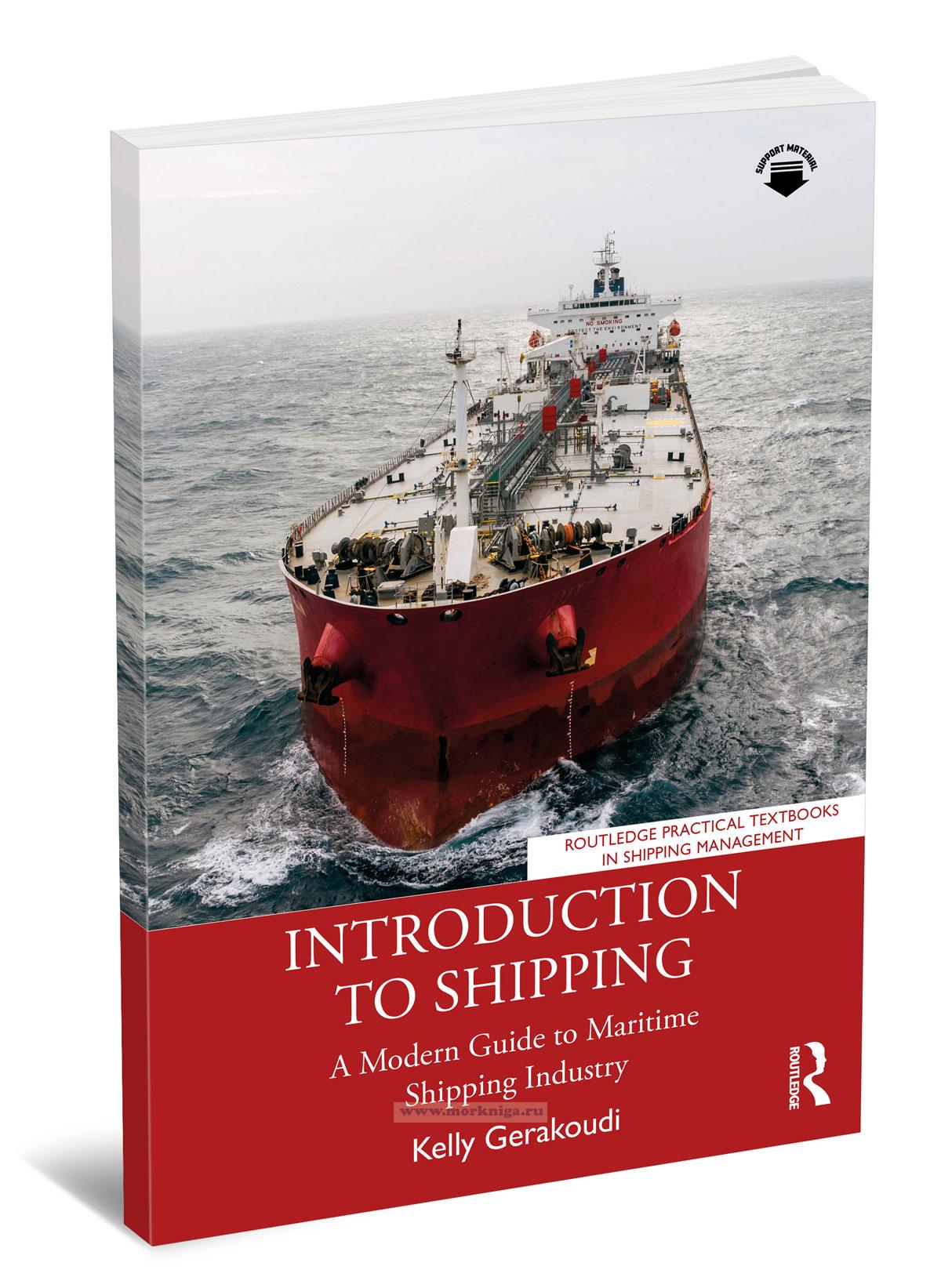
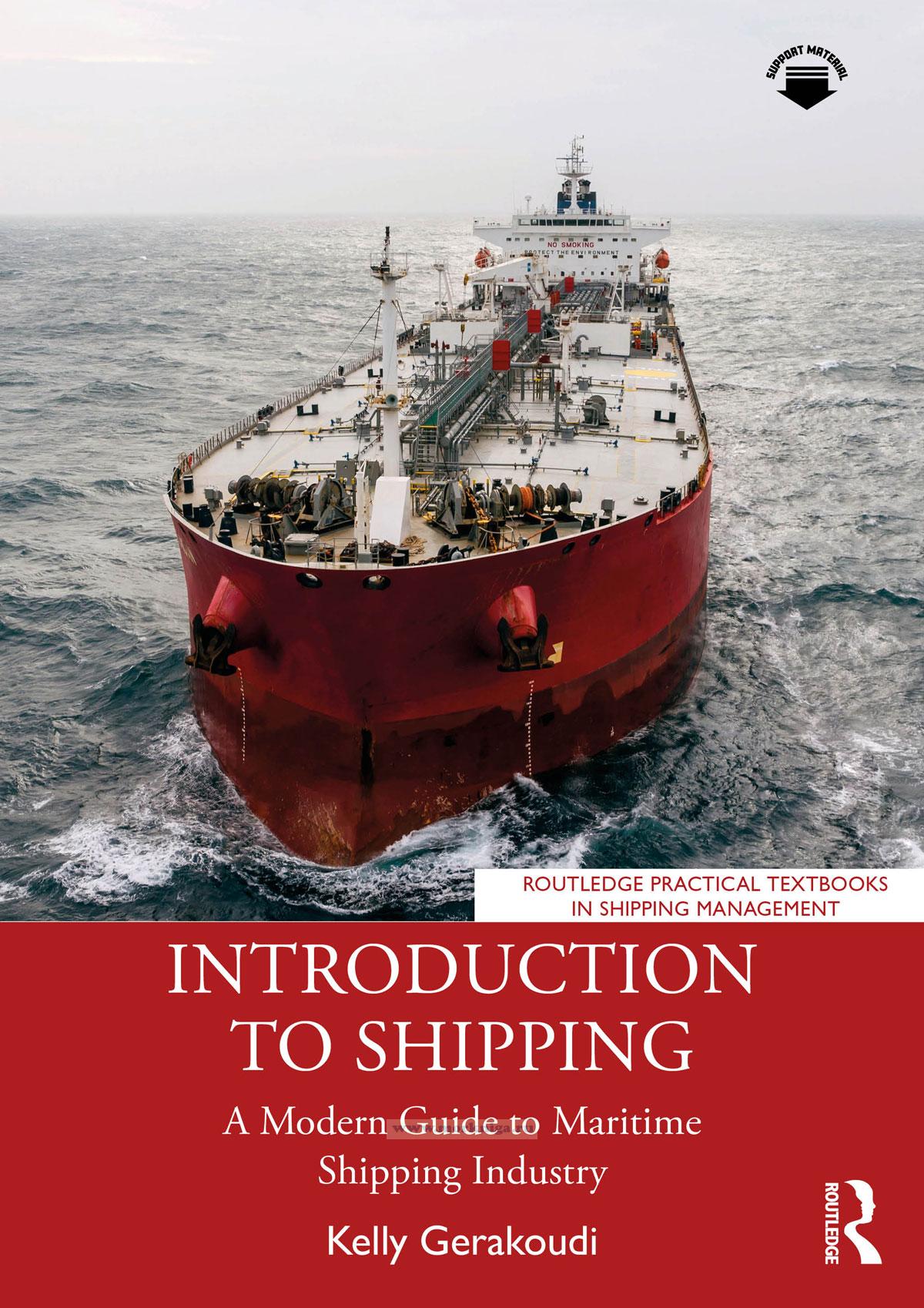
Introduction to Shipping. A Modern Guide to Maritime Shipping Industry/Введение в судоходство. Современное руководство по морской судоходной отрасли
Артикул: 00-01124332
в желания В наличии
Автор: Kelly Gerakoudi
Издательство: Routledge (все книги издательства)
Место издания: New York
ISBN: 978-1-041-09598-9
Год: 2026
Формат: А4 (210х297 мм)
Переплет: Мягкая обложка
Страниц: 202
Вес: 519 г
Издание на английском языке
This book provides an introduction to modern maritime shipping and the global shipping industry. It examines vessel and cargo types, participants in the transportation process, freight markets, charter types, operating costs, key contracts, marine insurance, and international regulation. Special attention is given to the greening and digitalization of shipping, ports, major sea routes, the structure of shipping companies, the role of shipowners, human capital management, fleet financing, and current industry development trends.
Content
Foreword
Preface
Acknowledgments
List of Figures
List of Tables
1. Introduction to Shipping
1.1. Introduction
1.2. What Is Maritime Shipping?
1.3. Key Participants Involved in a Shipping Transaction
1.4. The Maritime Shipping System
1.5. Conclusion
2. Types of Ships and Cargo
2.1. Introduction
2.2. Ship Fundamentals
2.3. The Load Line
2.4. Cargo Classification
2.5. Vessel Types
2.6. Conclusion
3. Shipping Markets
3.1. Introduction
3.2. Regional and Global Trade Routes
3.3. Vessel Supply and Demand Across the Shipping Sectors
3.4. The Freight Rate
3.5. The Dry Bulk Market
3.6. The Tanker Market
3.7. The Liner Shipping Sector
3.8. The Newbuildings Market
3.9. The Secondhand Market
3.10. The Vessel Demolition Market
3.11. Conclusion
4. Charter Types
4.1. Introduction
4.2. Understanding Vessel Costs: Voyage Versus Operational
4.3. Core Charter Types
4.4. Understanding Ship Earnings: The Time Charter Equivalent (TCE)
4.5. Who's Responsible for What? Owners Versus Charterers
4.6. Cargo Handling Responsibilities
4.7. Why Shipowners Should Understand Incoterms?
4.8. Key Charter Party Clauses You Must Know
4.9. How Charter Type Shapes Strategy and Risk?
4.10. Conclusion
5. Shipping Operations and Costs
5.1. Introduction
5.2. Who Does What in Shipping?
5.3. Daily Operations Across Vessel Types
5.4. Sector-Specific Operational Focus
5.5. The True Cost of Running a Ship
5.6. Managing Currency Risk in Operations
5.7. Conclusion
6. Key Shipping Contracts
6.1. Introduction
6.2. Charter Parties (C/P)
6.3. Carrier Responsibility and Disponent Ownership
6.4. Charter Parties in Practice
6.5. The Bill of Lading (B/L)
6.6. Memorandum of Agreement (MOA)
6.7. A Real-World Voyage: Connecting the Dots
6.8. International Legal Framework
6.9. Shipbrokers' Role and Legal Status
6.10. Conclusion
7. Marine Insurance
7.1. Introduction
7.2. Why Marine Insurance Matters: From Past to Present
7.3. Types of Marine Insurance
7.4. The Insurance Contract
7.5. The Role of Brokers and Underwriters
7.6. Claims and Settlements
7.7. Interaction With Insurance
7.8. Categories of Loss: Partial, Constructive, and Total
7.9. Case Study: The Sinking of a Vessel - Who Pays What?
7.10. Maritime Liens
7.11. Conclusion
8. Shipping Regulations
8.1. Introduction
8.2. The Global Regulatory Framework
8.3. Safety and Operational Compliance
8.4. Piracy and Threat Management
8.5. Conclusion
9. Green Shipping and Digitalization
9.1. Introduction
9.2. Part A - Decarbonization: What the IMO Wants and Why
9.3. CII in Action: Can Older Ships Survive the Ratings Game?
9.4. Regional Rules Collide: EU ETS, Fuel Mandates, and the Global Patchwork
9.5. Fuel of the Future?
9.6. Case Study: Maersk Versus MSC - Methanol or Scrubbers?
9.7. Energy Efficiency at Sea: Retrofitting Versus Emerging Technologies
9.8. Scrubbers and Retrofitting
9.9. Part B - Digitalization-Smart Ships or Hype Ships?
9.10. Ports That Think: Rotterdam, Singapore, and the New Port Intelligence
9.11. Digital Disruptors: AI, Blockchain, IoT, and Robotics in Maritime
9.12. Established Maritime Centers' Green Moves
9.13. Building Talent for the Green and Digital Shift
9.14. When Rules Meet Reality: Operational Trade-Offs in Real Life
9.15. Challenges Ahead: High Costs, Uncertainty, and Fragmented Governance
9.16. Conclusion
10. Ports and Shipping Routes
10.1. Introduction
10.2. Types of Ports
10.3. Global Shipping Routes and Chokepoints
10.4. Maritime Geography and Geopolitics
10.5. Major Ports and Maritime Regions
10.6. Port Infrastructure, Operations, and Management
10.7. Port Connectivity and Global Logistics
10.8. Ports as Economic and Environmental Engines
10.9. Global Port Snapshots
10.10. Navigating Change: Trade Shifts, Disruption, and Resilience
10.11. Careers and Innovation in Port Management
10.12. Conclusion
11. Shipping Co. Structure and Shipowners
11.1. Introduction
11.2. Core Departments of a Shipping Company
11.3. People and Processes Onboard and Ashore
11.4. Legal, S&P, and IT
11.5. Career Paths in Shipping
11.6. The Shipowner
11.7. Conclusion
12. Human and Financial Capital in Shipping
12.1. Introduction
12.2. Human Capital: Recruitment, Roles, and Entry Into Shipping
12.3. Training and Development
12.4. Diversity, Inclusion, and Well-being at Sea and Ashore
12.5. Payroll Management
12.6. Financial Capital: Why Finance Matters in Shipping
12.7. Sources of Finance
12.8. Mortgages and Ships as Collateral
12.9. Risk, Credit Ratings, and Capital Access
12.10. Financial Cycles in Shipping
12.11. Emerging Trends: Green Finance, Chinese Leasing, and the Rise of Lessors
12.12. Conclusion and Closing Thoughts
Index
Отзывы покупателей (0)
У этого товара пока нет отзывов. Поделитесь впечатлением первым.