

Каталог▲▼
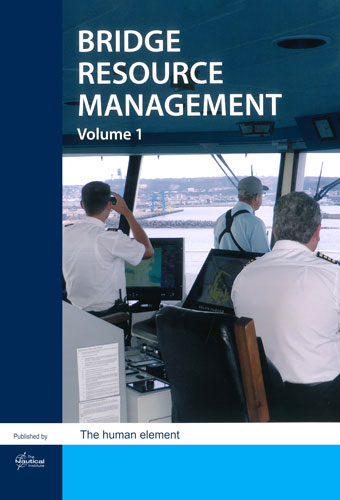
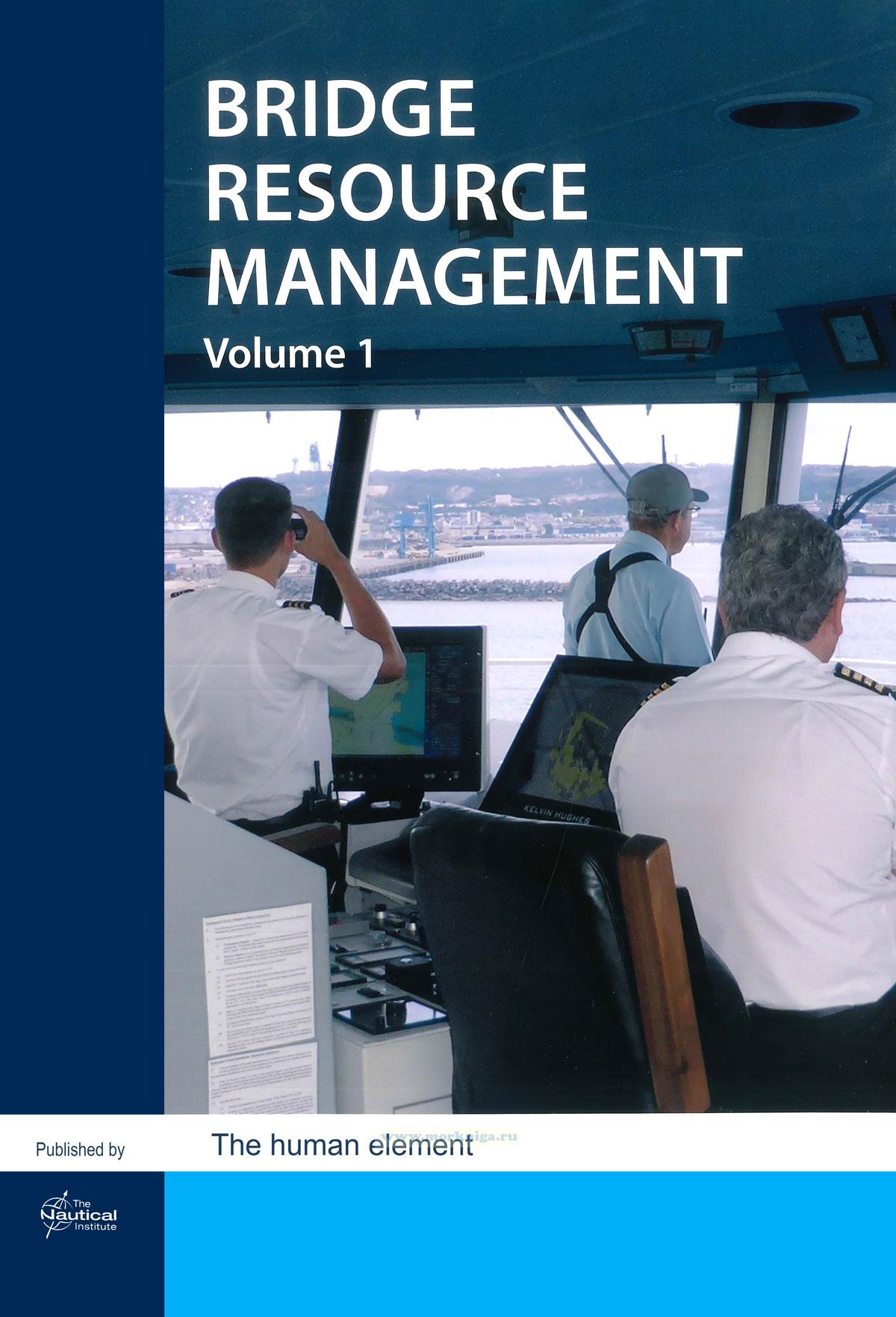
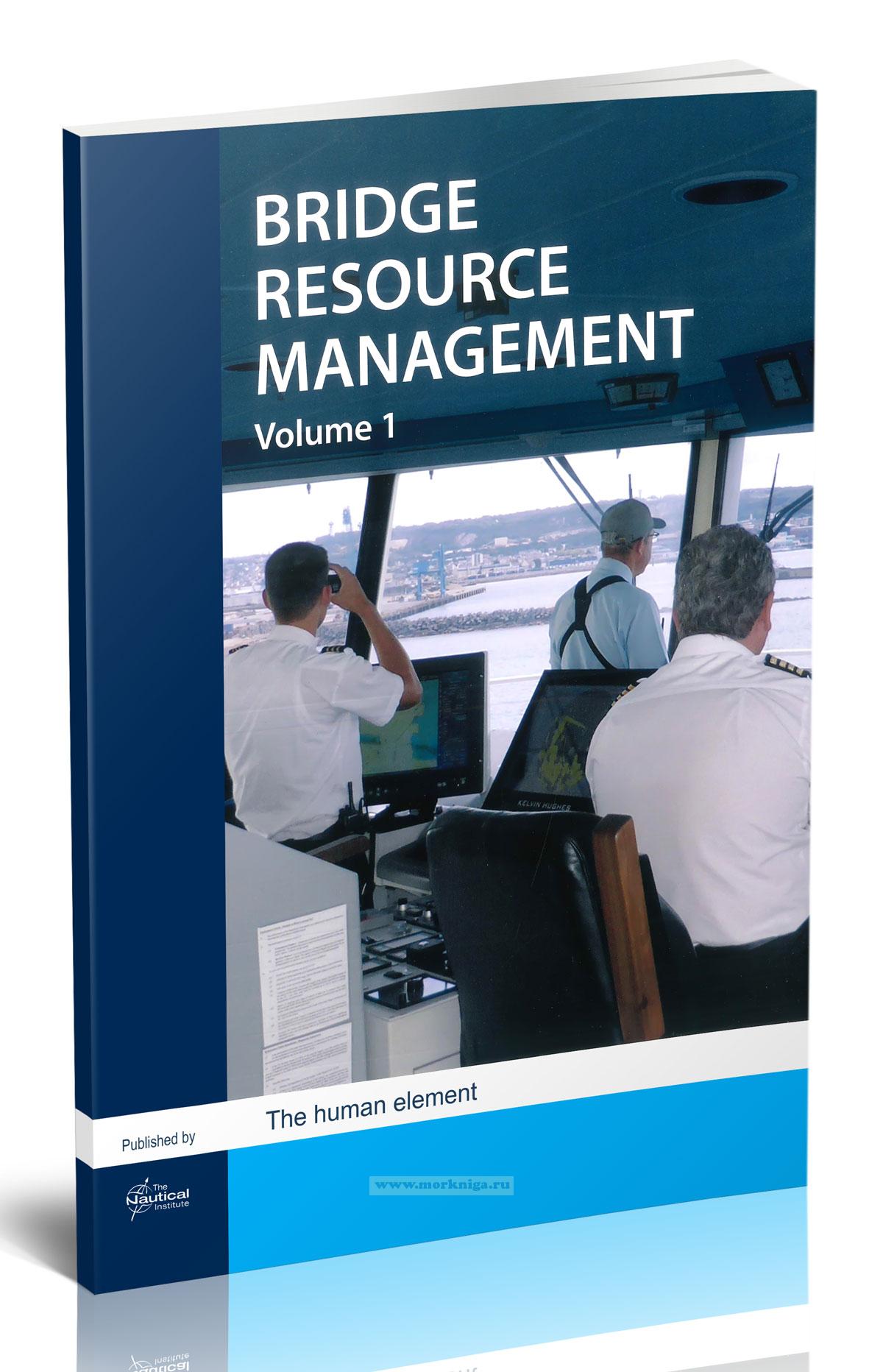
Bridge Resource Management. Volume 1. The human element/Управление ресурсами мостика. Том 1. Человеческий фактор

Артикул: 00-01120659
в желания В наличии
Издательство: The Nautical Institute (все книги издательства)
Место издания: London
ISBN: 978-1-915488-60-2
Год: 2025
Формат: А4 (210х297 мм)
Переплет: Мягкая обложка
Страниц: 102
Издание на английском языке
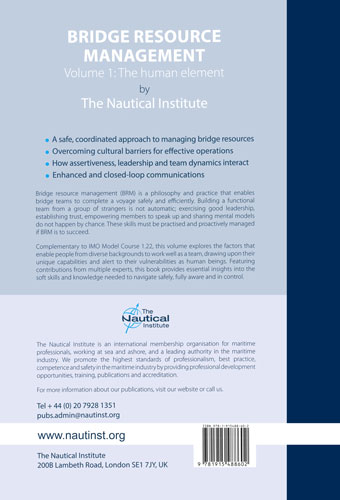
A practical professional publication focused on the human element in bridge resource management and the safe, efficient organisation of bridge-team work. It explains how communication, leadership, situational awareness, teamwork, decision-making and the proper use of technical resources influence navigational safety, and emphasizes that successful ship operations depend not only on equipment and procedures, but also on well-coordinated human performance on board.
Contents
Acknowledgements
Foreword
By Stuart Edmonston FNI
Preface
By Captain Aly Elsayed AFNI
List of abbreviations
Introduction
By David J Patraiko FNI and Steven Gosling AFNI What is BRM?
Getting to know BRM
The bridge team
A team of one
BRM training
What does good BRM look like?
Teamwork
The con
Single-person errors
Technical resources
The voyage plan
Human performance
Maintaining good BRM
Summary
Chapter 1 Addressing human factors
By Yasser В A Farag, Dr Rafet Emek Kurt and Professor Osman Turan
Evolution of safety learning
Human element versus human factors
Is it really a human error?
Swiss cheese model
Exploring hidden causes: the Ever Forward grounding
BRM's impact on bridge design
Safety-1 and Safety-ll approaches
Summary
Chapter 2 Effective communication
By Tom Feakinsand Captain Tuuli Messer-Bookman
The process of communication
What is effective communication?
Types of communication
Barriers to communication
Managing team communication
The process of conflict management
Briefing and debriefing
Intercultural communication
Summary
Chapter 3 Assertiveness and leadership
By Captain Nic Gardner, Captain Kevin Oprey and Captain Hans Hederstrom FNI
Authority and assertiveness
Effective leadership
Leadership styles
Planning and coordination
Summary
Chapter 4 Obtaining and maintaining situational awareness
By Yusuf Zorba and Selguk Nas
What is situational awareness?
Team and individual situational awareness
The three stages of situational awareness
Factors affecting situational awareness
Behavioural clues
Techno-social systems
Technical skills
Non-technical skills
Loss of situational awareness
Automated systems and situational awareness
Summary
Chapter 5 Team experience
By Captain Jeanine Drummond.
Workload management and delegation
Decision making in confined waters
Summary
References and further reading
Authors and contributors
Index
Отзывы покупателей (0)
У этого товара пока нет отзывов. Поделитесь впечатлением первым.