

Каталог▲▼
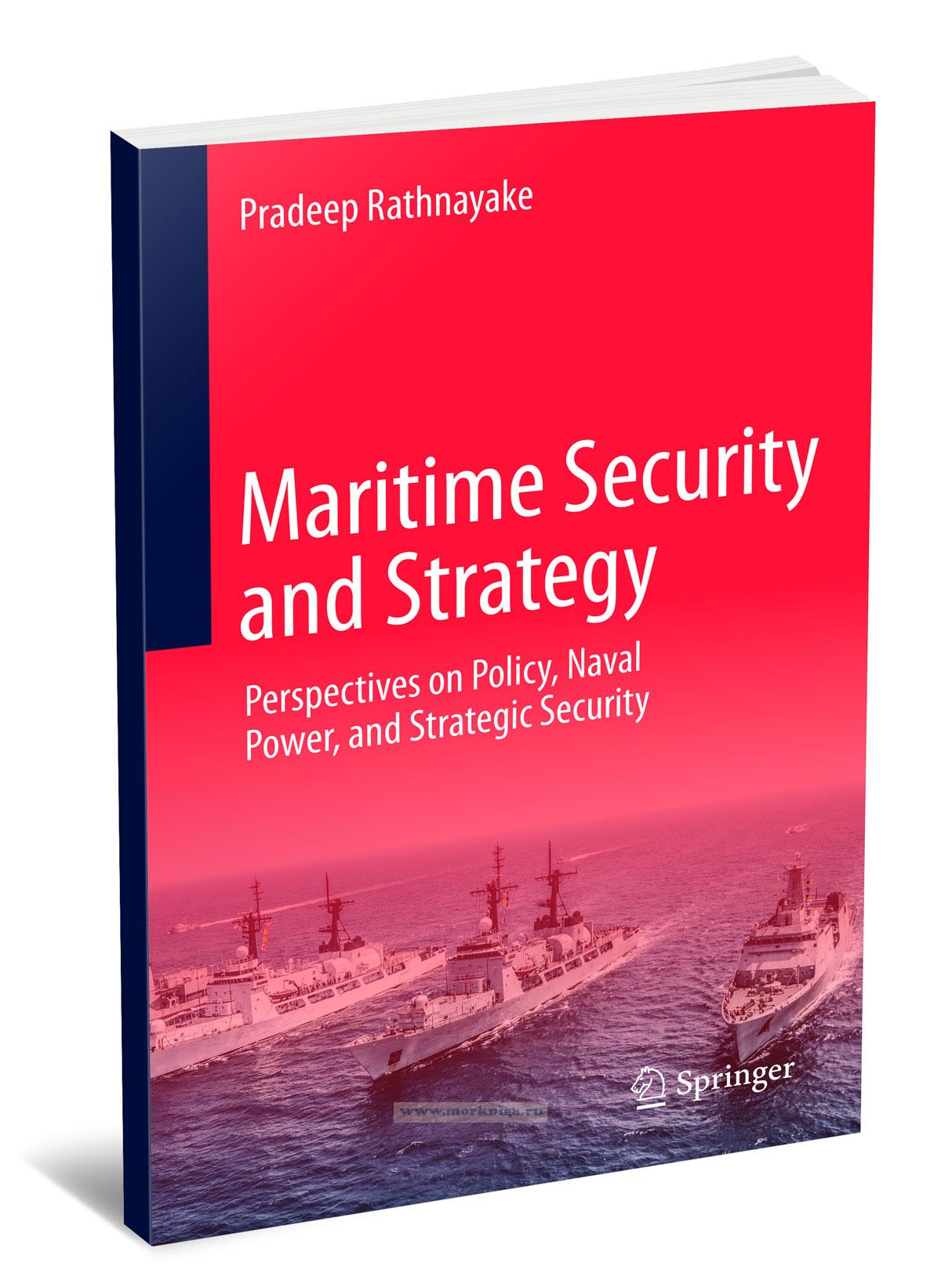
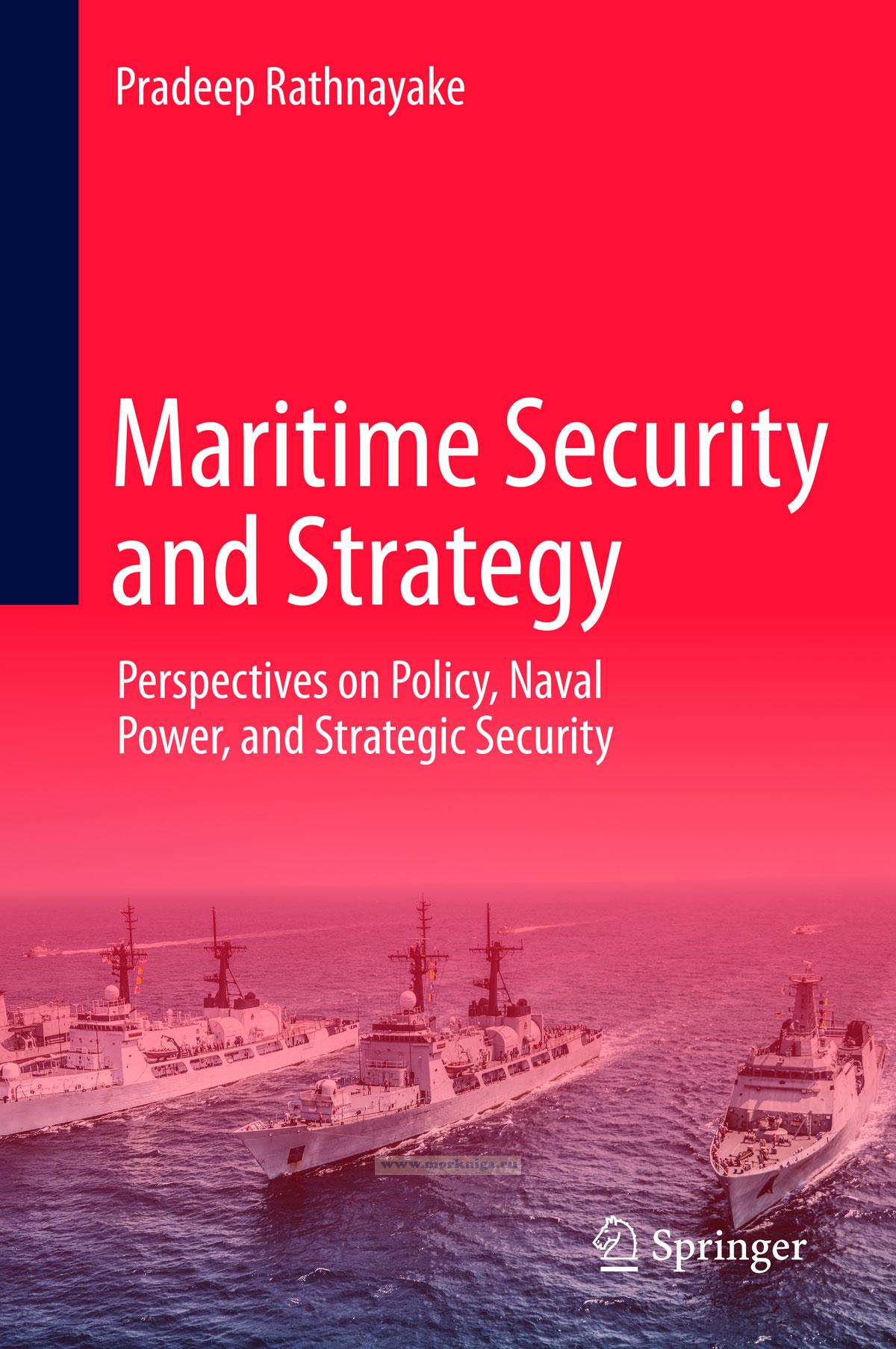
Maritime Security and Strategy. Perspectives on Policy, Naval Power, and Strategic Security/Морская безопасность и стратегия. Политика, военно-морская мощь и стратегическая безопасность
Артикул: 00-01120648
в желания В наличии
Автор: Pradeep Rathnayake
Издательство: Springer (все книги издательства)
Место издания: Singapore
ISBN: 9 78-981-95-2164-7
Год: 2025
Формат: А4 (210х297 мм)
Переплет: Мягкая обложка
Страниц: 176
Вес: 445 г
Издание на английском языке
This book provides a profound and relevant analysis of contemporary challenges and strategies in the maritime domain. The author explores the importance of sea routes for the global economy and national security amid global connectivity and competition. The threats of piracy, terrorism, environmental risks, and transnational crime, as well as state responses to these challenges, are examined.
Drawing on extensive naval experience and political and diplomatic expertise, the author emphasizes the need to develop comprehensive maritime strategies to protect sovereignty, the stability of trade chains, and the cyberspace of submarine cables.
This book features an interdisciplinary approach, integrating military, legal, and diplomatic aspects, and is a valuable resource for specialists, policymakers, academics, and naval officers seeking to understand the role of maritime power in peacetime and conflict.
Content
Part I. Protection of the Marine Environment and the Law of the Sea
1. The Concept of Archipelagic State and Its Implementation in Domestic Legislation and Policy of Indonesia and the Philippines
1.1. Introduction
1.2. The Concept of the Archipelagic State
1.3. Implementation of Archipelagic State Concept in Indonesia's Domestic Legislation
1.3.1. Historical Background
1.3.2. Legal Developments
1.3.3. Modern Maritime Governance
1.4. Implementation of Archipelagic State Concept in the Philippines' Domestic Legislation
1.4.1. Historical Context
1.4.2. Legal Framework
1.4.3. Modern Challenges and Responses
1.5. Challenges Faced by Indonesia and the Philippines
1.5.1. Sovereignty vs. Navigation Rights
1.5.2. Environmental Sustainability
1.5.3. Regional Cooperation
1.6. Conclusion
References
2. Revisiting the ‘Due Regard' Principle: Legal and Strategic Challenges in the Exclusive Economic Zone
2.1. Introduction
2.2. The Evolution of the Exclusive Economic Zone
2.2.1. Pre-Unclos Developments
2.2.2. Unclos and Standardization (1973-1982)
2.2.3. Post-Unclos Challenges
2.3. Coastal State's Rights in the EEZ
2.3.1. Sovereign Rights Over Living Resources
2.3.2. Jurisdiction Over Artificial Islands and Installations
2.3.3. Pollution Control and Environmental Protection
2.3.4. Other Rights and Duties
2.4. Rights and Duties of Other States in the EEZ
2.4.1. Freedom of Navigation
2.4.2. Military Operations and Legal Ambiguities
2.4.3. Environmental Impacts of Military Activities
2.5. Balancing Rights and Residual Rights in the EEZ
2.6. The State Practice
2.6.1. States Acknowledging Freedom of Navigation
2.6.2. States with Non-Conforming Legislation
2.6.3. States with Controversial Provisions
2.6.4. Synthesis of Trends
2.7. Conclusion
References
Part II. Strategic and Security Challenges in the Asia-Pacific and Indo-Pacific Maritime Domains
3. The Underwater Arms Race: Submarine Expansion and Strategic Tensions in the Asia-Pacific
3.1. Introduction
3.2. Why Countries in Asia Pacific need Submarines?
3.3. Asia Pacific Submarine Build-up
3.4. Technological Advantages and New Challenges
3.4.1. The AI Revolution
3.4.2. Export Controls and Proliferation Risks
3.5. Technological Advantages and Popularity of Submarines
3.5.1. Reliability of Torpedoes
3.5.2. Open Market for Torpedoes
3.5.3. Over-the-Horizon Attack Capabilities
3.5.4. Cost Effectiveness
3.5.5. Air Independent Propulsion Submarines
3.6. Submarines and the Risk of War
3.7. Challenges for Submarine Operations
3.7.1. Risk of Being Attacked as "Intruder"
3.7.2. Submarine Accidents
3.7.3. Submarine Safety and Rescue efforts
3.7.4. Environmental Hazards
3.8. Pressing Need for Cooperation
3.9. Conclusion
References
4. Good Order at Sea: Does Good Order at Sea Currently Prevail in the Indo-Pacific Region?
4.1. Introduction
4.2. The Sea as a Resource
4.3. The Sea as a Medium of Transportation
4.4. The Navy-Coast Guard Spectrum and Ocean Management
4.5. The Sea as an Area of Dominion
4.6. The Sea as an Environment
4.7. Conclusion
References
5. China's Investment in Hambantota Port: A Critical Analysis of the Debt-Trap Narrative
5.1. Introduction
5.2. Sri Lanka-China Historic and Economic Relations
5.3. Sri Lanka's Geostrategic Dilemma and Implications
5.4. Hambantota Port; Test Case or Misleading Example
5.5. Debt Trap or Investment: African Example
5.6. Why Sri Lanka Could not Sustain the Debt
5.7. Sri Lanka's Domestic Concerns
5.8. Conclusion
5.9. Recommendations
References
Part III. Maritime Security Law and Policy
6. Assessing the Proliferation Security Initiative and US Ship Boarding Agreements: Challenges and Opportunities
6.1. Introduction
6.2. Proliferation Security Initiative Structure and Ambiguities
6.3. Legal Contradictions PSI vs Unclos
6.3.1. Freedom of Navigation Principle
6.3.2. Legal Nuclear Trade
6.3.3. Redefining Customary International Law principle
6.4. Political and Operational Challenges
6.4.1. Iran's Asymmetric Countermeasures
6.4.2. North Korea
6.5. Operational Consideration of PSI
6.5.1. Operational Weaknesses
6.5.2. New Model in the Making
6.6. Conclusion
References
7. Mahanian Doctrine and Its Application to Contemporary Maritime Security Issues: A Case Study of Sri Lanka
7.1. Introduction
7.2. Mahan's Sea Power: Foundations and Legacy
7.3. Alfred Thayer Mahan's Theories of Seapower
7.4. Modern Maritime Challenges: Beyond Mahan's Paradigm
7.5. Maritime Terrorism and Asymmetric Threats
7.6. Mahanian Tenets and Piracy and Armed Robbery
7.7. Peacetime Naval Operations
7.8. Sri Lanka's Maritime Security: A Case Study
7.9. Toward a Peacetime Naval Theory
7.10. Conclusion
References
8. Maritime Counterinsurgency in Sri Lanka: Legal and Strategic Dimensions of Defeating the LTTE's Naval Capabilities
8.1. Introduction
8.2. Why the Sri Lankan Conflict Is Important
8.3. Sri Lankan Insurgency and Irish Republican Army: A Comparative Study
8.4. Sri Lankan Insurgency and Boko Haram
8.5. Sri Lankan Insurgency and Huk Insurgency in the Philippines
8.6. Reasons for the Success
8.6.1. Lack of Popular Support
8.6.2. Resisting Western Intervention
8.6.3. Outstanding Civil-Military Cooperation
8.6.4. Training, Intelligence, and NSC
8.6.5. Control of the Media
8.7. Defeating the Maritime Capability of the Insurgency
8.7.1. Elusive and Innovative Enemy at Sea
8.7.2. Floating Warehouses
8.8. Insurgent's Strategic Miscalculations
8.8.1. The Assassination of the Indian Prime Minister
8.8.2. The Defection of Renegade Leader
8.8.3. Conventional Way of Thinking
8.9. Can the Lessons Be Applied Elsewhere?
8.9.1. Lessons for the Insurgents
8.9.2. Lessons for the Governments
8.10. Relevance of Clausewitz's Theory: "Remarkable Trinity"
8.11. Conclusion
References
9. Nexus of Climate Change and Maritime Security in Sri Lanka: Implications for Island States in the Indian Ocean Region
9.1. Introduction
9.2. Climate Change and Maritime Security: An Evolving Challenge
9.2.1. Increased Illegal Fishing
9.2.2. Infrastructure Vulnerability
9.2.3. Climate Induce Migration and Immigration
9.2.4. Territorial Disputes
9.3. Sri Lanka's Response to Climate-Induced Maritime Security Challenges
9.3.1. Policy and Strategy Formulation
9.3.2. Proactive Responses: Sri Lanka's Navy Safeguarding Maritime Interests
9.3.3. Securing the Seas: Proactive Patrols and Surveillance
9.3.4. Coastal Resilience Initiatives: Restoring Climate Balance and Livelihoods
9.3.5. Capacity Building for Maritime Security Resilience
9.3.6. Joint Operations: A Holistic Approach to Maritime Security
9.4. Charting a Course for Climate-Resilient Security
9.4.1. Sustainable Fisheries Management: Safeguarding Marine Abundance
9.4.2. Diversifying the Blue Economy: Expanding Horizons
9.4.3. Community-Led Adaptation: Empowering Local Solutions
9.4.4. Climate-Resilient Infrastructure: Building for the Future
9.4.5. Integrated Coastal Management: Bridging Gaps
9.4.6. International Cooperation: Strengthening Partnerships
9.5. Recommendations: Strengthening Maritime Security and Resilience
9.6. Conclusion: Navigating a Secure and Sustainable Future
References
Part IV. Maritime Regulation and Enforcement
10. The Doctrine of Hot Pursuit in Contemporary Maritime Law: Reconciling Legacy Frameworks with 21st Century Enforcement Realities
10.1. Introduction
10.2. The Elements of Hot Pursuit
10.2.1. Immediacy of Pursuit
10.2.2. Jurisdictional Trigger
10.2.3. Visual/Auditory Signal
10.2.4. Authorized Enforcement Assets
10.2.5. Continuity Requirement
10.2.6. Termination Conditions
10.3. Four Specific Conditions for Initiation of Hot Pursuit
10.3.1. Good Reason to Believe
10.3.2. Commencement Within Jurisdictional Zones
10.3.3. Valid Stop Signal
10.3.4. Authorized Enforcement Vessels
10.4. Conditions for Maintaining Hot Pursuit
10.4.1. Uninterrupted and Continuous Pursuit
10.4.2. Cessation of Hot Pursuit
10.5. Purpose of Hot Pursuit
10.6. Recommendations for Reform
10.6.1. Determining the Location
10.6.2. Stop Signal
10.6.3. Continuous Pursuit and Resumption
10.6.4. Cooperative Hot Pursuit
10.6.5. Constructive Presence
10.7. Summary of Recommended Reforms
10.8. Conclusion
Bibliography
References
Part V. Comparative Ocean Policy Management
11. Evaluating the Marine Bioregional Planning Process in Australia: Lessons for Global Ocean Governance
11.1. Introduction
11.2. Advantages of Marine Bio Regional Planning Process
11.2.1. Achievement of International Obligations
11.2.2. Conservation of Resources and Protection of the Marine Environment
11.2.3. Integrated Management Concept
11.2.4. Enhanced Climate Change Resilience
11.2.5. Integration with Indigenous Knowledge
11.2.6. Improved Monitoring and Data Collection
11.2.7. Economic Benefits from Sustainable Marine Industries
11.2.8. International Leadership
11.3. The Disadvantages of Marine Bio-Regional Planning Process
11.3.1. Failure to Achieve Original Objectives
11.3.2. Lack of Comprehensive Legal Frameworks
11.3.3. Implementation Gaps
11.3.4. Conflicts with Emerging Industries
11.3.5. Climate Change Adaptation Limitations
11.3.6. Insufficient Funding for Monitoring and Enforcement
11.3.7. Stakeholder Engagement Challenges
11.3.8. Cross-Jurisdictional Coordination
11.4. Relevance of Australian Experience to Other Countries
11.4.1. New Zealand
11.4.2. Canada
11.4.3. Tanzania
11.4.4. Sri Lanka
11.5. Conclusion
References
12. The Role of the Ocean in Regulating Climate Systems and Mitigating Measures
12.1. Introduction
12.2. The Ocean's Role in Regulating Earth's Climate
12.3. Climate Change Impacts on Marine Ecosystems: Rising Temperatures, Sea Levels, and Ocean Acidification
12.4. Mitigation Measures for Ocean Carbon Sequestration: Opportunities and Challenges
12.5. Ocean-Based Carbon Sequestration Strategies
12.5.1. Geological Formation of CO2 Sequestration
12.5.2. Sea Floor and Water Column Sequestration
12.5.3. Ocean Fertilization
12.6. Impediments to Ocean Carbon Sequestration
12.6.1. Environmental Risks
12.6.2. Economic Costs
12.6.3. Legal and Regulatory Frameworks
12.6.4. Ethical Considerations
12.6.5. Public Perception and Acceptance
12.6.6. Technological Challenges
12.7. Harnessing Ocean Energy: Renewable Sources and Future Prospects
12.8. Blue Carbon Ecosystems: Carbon Sequestration and Conservation Challenges
12.9. Conclusion
References
Part VI. International Fisheries Law
13 Role of Regional Fisheries Organizations in the Implementation of International Fisheries Instruments and effectiveness of these Organizations in Addressing Overexploitation
13.1. Introduction
13.2. Regional Fisheries Organizations and the Implementation of Unclos
13.3. Strengthening RFMOs Through the UN Fish Stocks Agreement
13.4. The FAO Code of Conduct for Responsible Fisheries and RFMOs
13.5. Compliance Agreement and Regional Fisheries Organizations
13.6. The Four International Plans of Action (IPOAs) and the Role of Regional Fisheries Organizations
13.7. Lack of Ratification or Acceptance of Instruments
13.8. The Relationship Between RFMOs and Third States: Navigating Conservation Challenges
13.9. Outdated Mandate and Modern Challenges for RFMOs
13.10. IUU Fishing and Lack of Compliance: Systemic Threats to Sustainable Fisheries
13.11. Proposed Reforms for Enhancing RFMO Effectiveness
13.12. Conclusion
References
Conclusion: Towards a Coherent Policy Agenda
Key Themes and Recommendations
Moving Forward
Отзывы покупателей (0)
У этого товара пока нет отзывов. Поделитесь впечатлением первым.