

Каталог▲▼
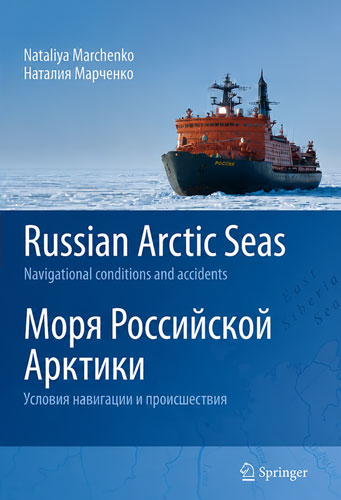
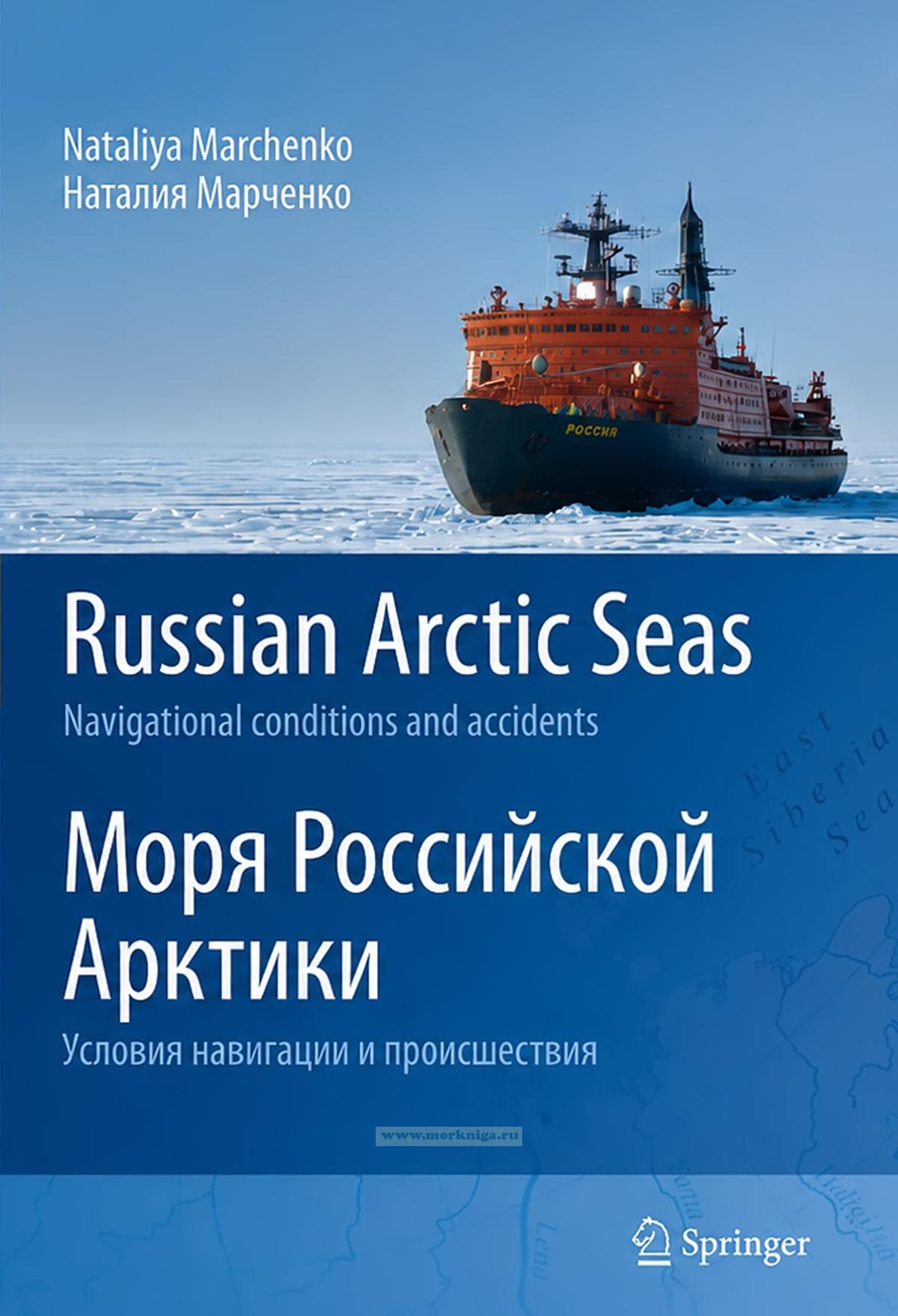
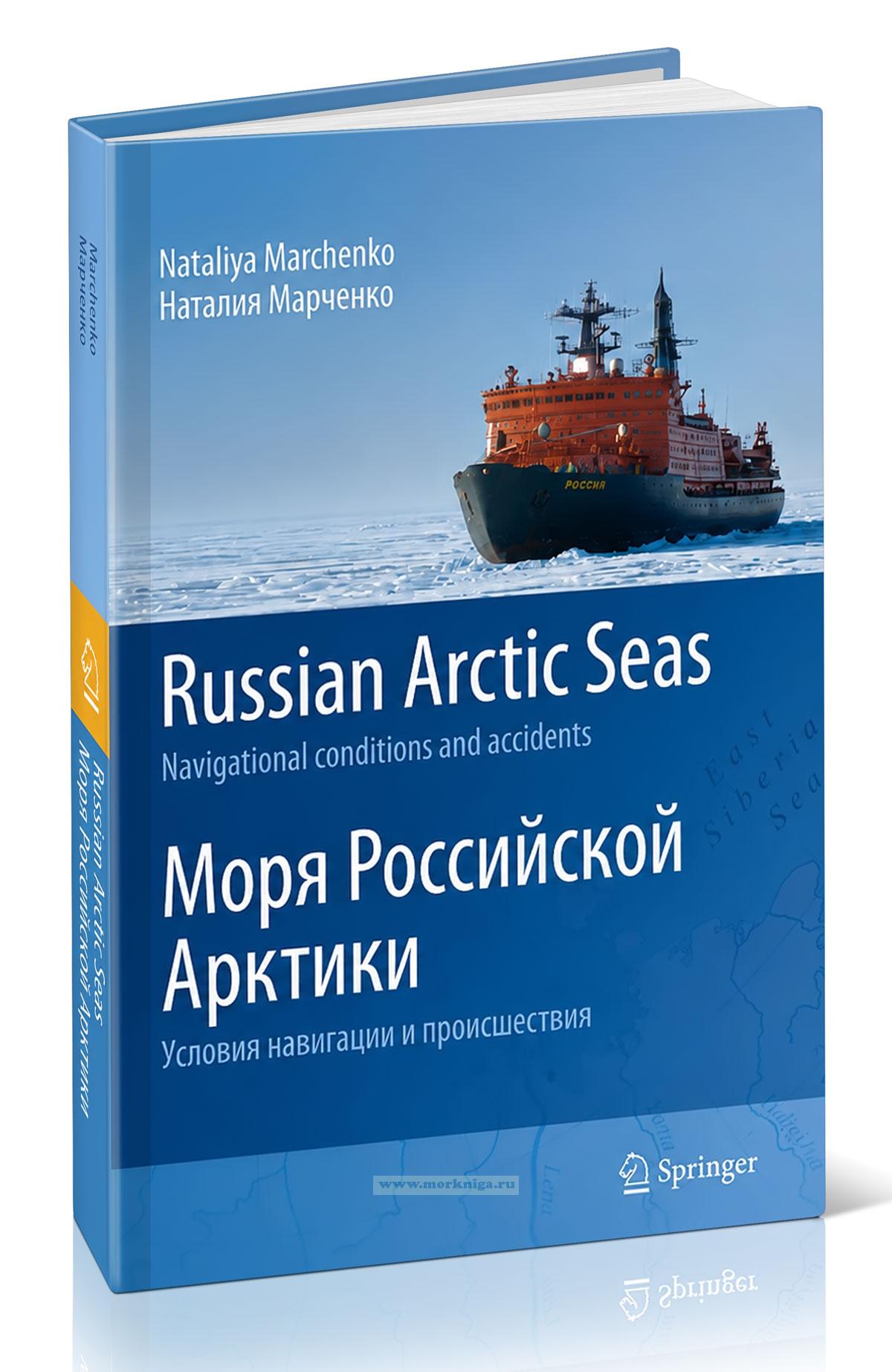
Russian Arctic Seas. Navigational conditions and accidents/Моря Российской Арктики. Условия навигации и происшествия

Артикул: 00-01120048
в желания В наличии
Автор: Н. Марченко
Издательство: Springer (все книги издательства)
ISBN: 978-3-642-22124-8
Год: 2012
Переплет: твердая матовая
Страниц: 274
Вес: 897 г
Издание на двух языках – русском и английском
Книга посвящена особенностям навигации в морях Российской Арктики. Рассматриваются природные условия, риски судоходства и причины аварийных ситуаций.
Издание предназначено для специалистов морского транспорта и студентов морских специальностей.
Содержание
1 Общие свойства морей Российской Арктики
1.1 Природные условия
1.1.1. Рельеф дна и типы берегов
1.1.2. Климат и гидрологические особенности
1.1.3. Морские льды
1.2. Основные трудности и организация навигации
1.3. Основные трассы Северного морского пути
2. Основные этапы развития арктического мореплавания и судостроения
2.1. Эпоха деревянных парусных кораблей
2.2. Эпоха деревянных и металлических судов с паровыми двигателями
2.3. Эпоха атомных линейных ледоколов
2.4. Экономические трудности перехода к рыночным отношениям
2.5. Современная ситуация и перспективы
3. Карское море
3.1. Географическая характеристика
3.1.1. Границы и батиметрия
3.1.2. Климат и динамика вод
3.1.3. Гидрологические особенности
3.1.4. Морские льды
3.2. Условия навигации
3.2.1. Особенности навигации
3.2.2. Плавание по основным рекомендованным путям
3.2.3. Разгрузка на припай и зимняя навигация в Карском море
3.3. Происшествия
Выводы
4. Море Лаптевых
4.1. Географическая характеристика
4.1.1. Границы и подводный рельеф
4.1.2. Климат и динамика вод
4.1.3. Гидрологические особенности
4.1.4. Морские льды
4.2. Условия навигации
4.2.1. Особенности навигации
4.2.2. Плавание по основным рекомендованным путям
4.3. Происшествия
Выводы
5. Восточно-Сибирское море
5.1. Географическая характеристика
5.1.1. Границы и батиметрия
5.1.2. Климат и динамика вод
5.1.3. Гидрологические особенности
5.1.4. Морские льды
5.2. Условия навигации
5.2.1. Особенности навигации
5.2.2. Плавание по основным рекомендованным путям
5.3. Происшествия
Выводы
6. Чукотское море
6.1. Географическая характеристика
6.1.1. Границы и подводный рельеф
6.1.2. Климат и динамика вод
6.1.3. Гидрологические особенности
6.1.4. Морские льды
6.2. Условия навигации
6.2.1. Особенности навигации
6.2.2. Плавание по основным рекомендованным путям
6.3 Происшествия
6.3.1 Подробное описание происшествий
Выводы
Заключение
Литература
Основные интернет сайты
Указатели
This book consists of six chapters, two of which are introductory, while the remaining four address the four seas of the Russian Arctic, with the exception of the Barents Sea. The first chapter deals with the general features of these seas, including navigation and organisation of the main shipping lanes of the Northern Sea Route from the Kara Straits to the Bering Sea.
In the second chapter, we introduce briefly the history of discovery and development in the Russian Arctic from ancient times until today, and we briefly describe the difficulties that developed in the 1990s and early twenty-first century and prospects for development.
Each of the subsequent ‘sea chapters’ consists of two parts: a description of the sea and descriptions of accidents that occurred there. The first part describes the traditional physical-geographical characteristics of the sea (its borders and underwater topography, climate and water dynamics, hydrological features and sea ice) and presents information about the navigation conditions and the main sea routes. In the second part of each sea chapter, accidents caused by heavy ice conditions that have occurred since 1900 are described in chronological order. Preceding the descriptions of these events is a map that shows the locations of events and the drift lines using conventional symbols that are in accordance with accepted classification. The numbers on the map match those in the table, which also serve as a legend for the map. The date of the accident, the name of the vessel involved and the type of accident are listed for each event in the table. It is easy to find a detailed description of the event by finding the number in the text that corresponds to the table. This number is set in bold print and precedes the story about the event.
The author deeply respects Arctic naval history and is genuinely committed to the goal of transferring the knowledge gained by the naval figures of the classical era to the current generation. This meritorious feature of the book will be of particular interest to students in engineering whose work concerns logistics and ship transport in the Arctic as well as to researchers and industrial professionals involved in developing the resources of the Arctic.
The book will also appeal to a wider audience as it offers insights into the lives of indigenous peoples and their problematic situation on the Siberian coasts. For this reason, I also recommend the book to social scientists and lay readers interested in the conditions of life in the High Arctic. The book is also of broad interest because it reflects the human impact on nature and vice versa and highlights the ability of individuals to make the right decisions under stress and in difficult situations.
Contents
Preface
1 Common Features of the Russian Arctic Seas
1.1 Natural Conditions
1.1.1 Bottom Topography and Shore Types
1.1.2 Climate and Hydrological Features
1.1.3 Sea Ice
1.2 Major Problems and Organisation of Navigation
1.3 Main Passages of the Northern Sea Route
2 Main Stages of Northern Sea Navigation and Vessel Development
2.1 The Era of Wooden Sailing Ships
2.2 The Era of Wooden and Metal Vessels with Steam Engines
2.3 The Era of Nuclear-Powered Linear Icebreakers
2.4 Economic Difficulties of Transitioning to Market Relations
2.5 Current Situation and Future Prospects
3 The Kara Sea
3.1 Geographical Features
3.1.1 Boundaries and Bathymetry
3.1.2 Climate and Dynamics of Water
3.1.3 Hydrological Features
3.1.4 Sea Ice
3.2 Navigational Conditions
3.2.1 Navigational Features
3.2.2 Navigation via the Main Recommended Routes
3.2.3 Unloading on Fast Ice and Winter Navigation in the Kara Sea
3.3 Accidents
Summary
4 The Laptev Sea
4.1 Geographical Features
4.1.1 Boundaries and Bathymetry
4.1.2 Climate and Dynamics of Water
4.1.3 Hydrological Features
4.1.4 Sea Ice
4.2 Navigational Conditions
4.2.1 Navigational Features
4.2.2 Navigation via Main Recommended Routes
4.3 Accidents
Summary
5 East Siberian Sea
5.1 Geographical Features
5.1.1 Boundaries and Bathymetry
5.1.2 Climate and Dynamics of Water
5.1.3 Hydrological Features
5.1.4 Sea Ice
5.2 Navigational Conditions
5.2.1 Navigational Features
5.2.2 Navigation via Main Recommended Routes
5.3 Accidents
Summary
6 The Сhukchi Sea
6.1 Geographical Features
6.1.1 Boundaries and Bathymetry
6.1.2 Climate and Water Dynamics
6.1.3 Hydrological Features
6.1.4 Sea Ice
6.2 Navigational Conditions
6.2.1 Sailing Features
6.2.2 Navigation via Main Recommended Routes
6.3 Accidents
6.3.1 Detailed Descriptions of Accidents
Summary
Summary
References
Internet sites (all last accessed 30 August 2011)
Subject Index
Отзывы покупателей (0)
У этого товара пока нет отзывов. Поделитесь впечатлением первым.