

Каталог▲▼
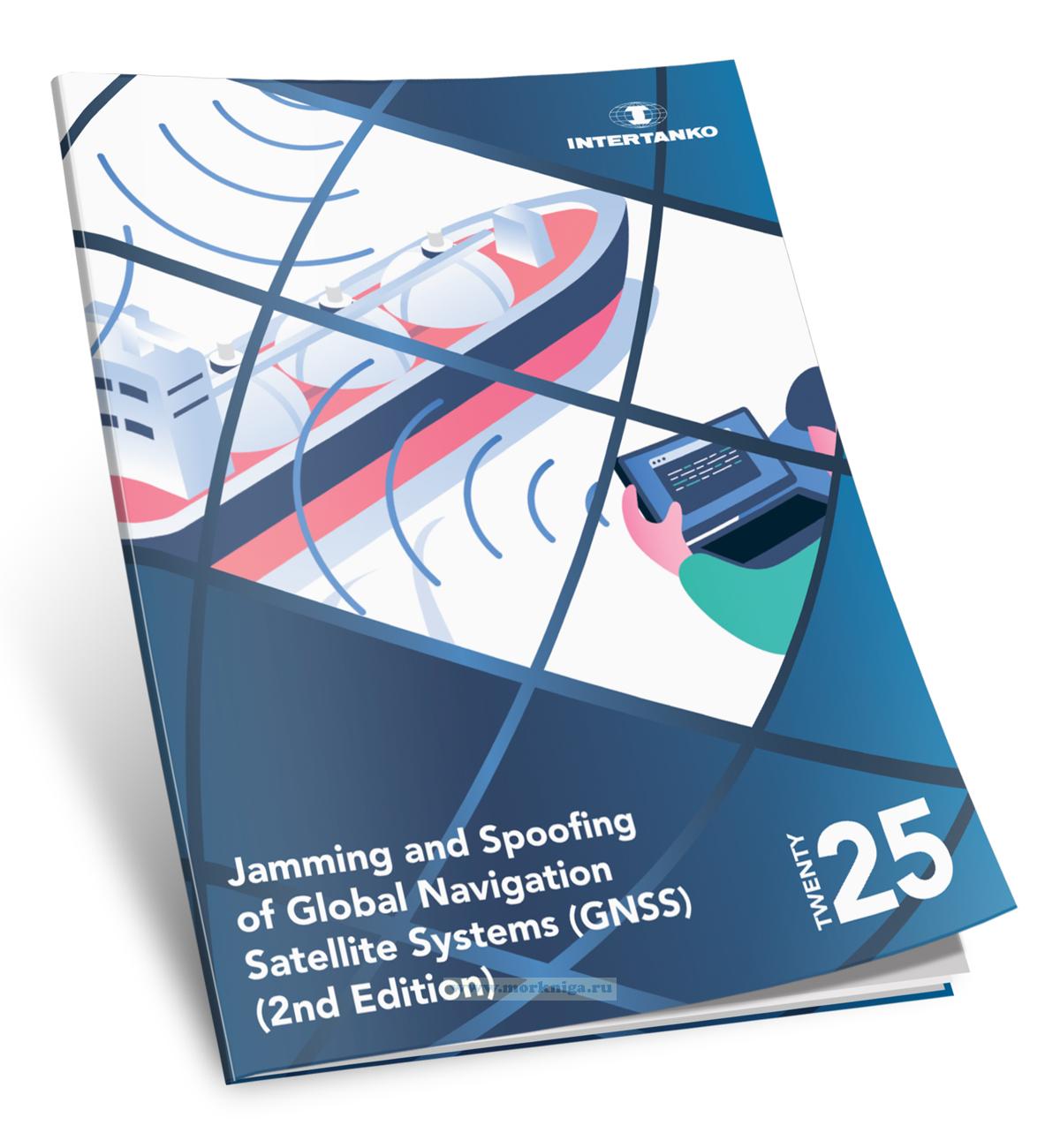
Jamming and Spoofing of Global Navigation Satellite Systems (GNSS)/Радиоподавление и подмена сигналов глобальных навигационных спутниковых систем




Артикул: 00-01118155
в желания В наличии
Издательство: Intertanko (все книги издательства)
Год: 2025
Формат: А4 (210x290 мм)
Переплет: Мягкая обложка
Страниц: 36
Вес: 87 г
Издание на английском языке
This book explains the operating principles of GNSS, the advantages of multi-frequency systems, and the role of augmentation systems in improving signal accuracy and robustness. It also focuses on the risks associated with GNSS signal disruptions and distortions, such as jamming and spoofing, and the need to develop strategies to detect and mitigate them. It emphasizes the importance of high navigation standards for the safety of navigation, environmental protection, and crew safety, and provides recommendations for maritime operators, crews, and regulators on preparing for potential disruptions and safely operating in conditions of degraded navigation signals.
Contents
Introduction
Scope Intentional man-made signal interference: Jamming and Spoofing
What is jamming?
What is spoofing?
GNSS Time Spoofing
Meaconing
AIS Spoofing
Unintentional and natural signal interference
Multipath
Shadowing
Detection and mitigation against jamming and spoofing
Multi-constellation GNSS receivers
Multi-frequency GNSS Receivers
Inertial Measurement Units (IMU)
Navigation Message Authentication (NMA)
Guide for the Navigator
Actions to detect GNSS interference or poor signal
Actions if jamming or spoofing is detected
Guide for the ship owner/manager
Safety Drills
Training, coaching and mentoring
New STCW Competence: Navigation in GNSS-compromised environment
Countermeasures
Jamming countermeasures
Spoofing countermeasures
Meaconing countermeasures
Appendix A: Reporting of jamming and spoofing events
GPS problem reporting
Tracking of events: NATO Shipping Centre (NSC)
Appendix B: Types of Satellite Positioning Systems
Global
USA's Navstar Global Positioning System (GPS)
Russia's Global'naya Navigatsionnaya Sputnikovaya Sistema (Glonass)
Galileo: The European global satellite-based navigation system
China's BeiDou Navigation Satellite System (BDS)
Augmentation systems
Regional
Quasi-Zenith Satellite System (QZSS)
India's Regional Satellite Navigation System (IRNSS): NavlC (Navigation with Indian Constellation)
Appendix C: GNSS receiver: Pocket guide on signal quality
Quick GPS/GNSS receiver reference guide
1. HDOP (PDOP/GDOP)
2. What navigators should know about their units
3. Raim
4. DGNSS (DGPS)
5. SBAS
6. Signal-to-Noise Ratio (SNR)
7. Elevation Mask
References
Appendix D: Bridge procedure for GNSS Spoofing and Jamming
Отзывы покупателей (0)
У этого товара пока нет отзывов. Поделитесь впечатлением первым.