

Каталог▲▼
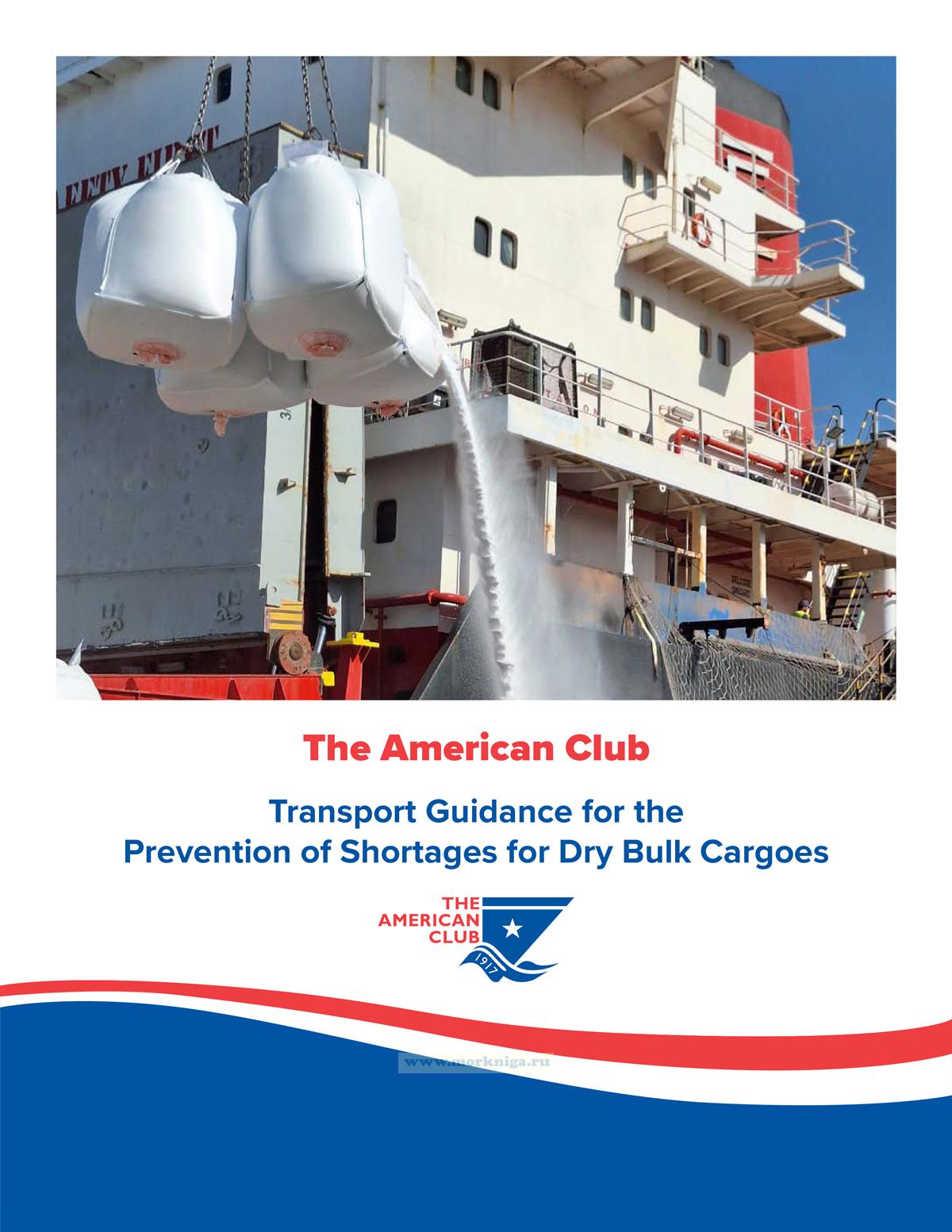
Transport Guidance for the Prevention of Shortages for Dry Bulk Cargoes/Руководство по транспортировке навалочных сухих грузов для предотвращения дефицита

Артикул: 00-01112686
в желания В наличии
Издательство: The American Club (все книги издательства)
Год: 1917
Формат: А4 (210х297 мм)
Переплет: Мягкая обложка
Страниц: 35
Вес: 85 г
Издание на английском языке
The book is devoted to the analysis and management of risks associated with cargo shortages in the sea transportation of dry cargo. It examines the main dangers, causes and mechanisms of such incidents, as well as the consequences and types of damage associated with cargo shortages. Particular attention is paid to the statistics of cases, the cost of losses and the most vulnerable regions and types of cargo. The work provides recommendations for preventing losses and minimizing claims, and analyzes the causes of disagreements in calculating the weight and volume of cargo at various stages of transportation. The book is intended for specialists in the field of maritime shipping, insurance and logistics seeking to improve the effectiveness of risk management and reduce financial losses in the transportation of dry cargo by sea.
Content
1. Introduction
1.1. Objectives
1.2. Hazards and types of claims for cargo shortages
1.3. P&I risk profile for dry cargo shortage claims
1.4. What, in general, are the grounds for a cargo shortage claim?
2. Best practices by the crew
2.1. Objectives
2.2. General precautions
2.3. Tally and draft surveys
2.4. Survey monitoring and interaction (load port and discharge port)
3. Best practices by shipowners
3.1. Objective
3.2. Procedures
3.3. Training of crew
3.4. Engaging cargo surveyors
3.5. Letter of Protest (LoP)
3.6. The Inter Club Agreement (ICA): What is it and applicability to cargo shortage claims
4. Communicating with your P&I club
4.1. Objective
4.2. Precautionary pre-load and discharge survey arrangements
4.3. Cargo claims related to dry cargo shortages
4.4. Noted experiences related to dry cargo shortages
Отзывы покупателей (0)
У этого товара пока нет отзывов. Поделитесь впечатлением первым.