

Каталог▲▼
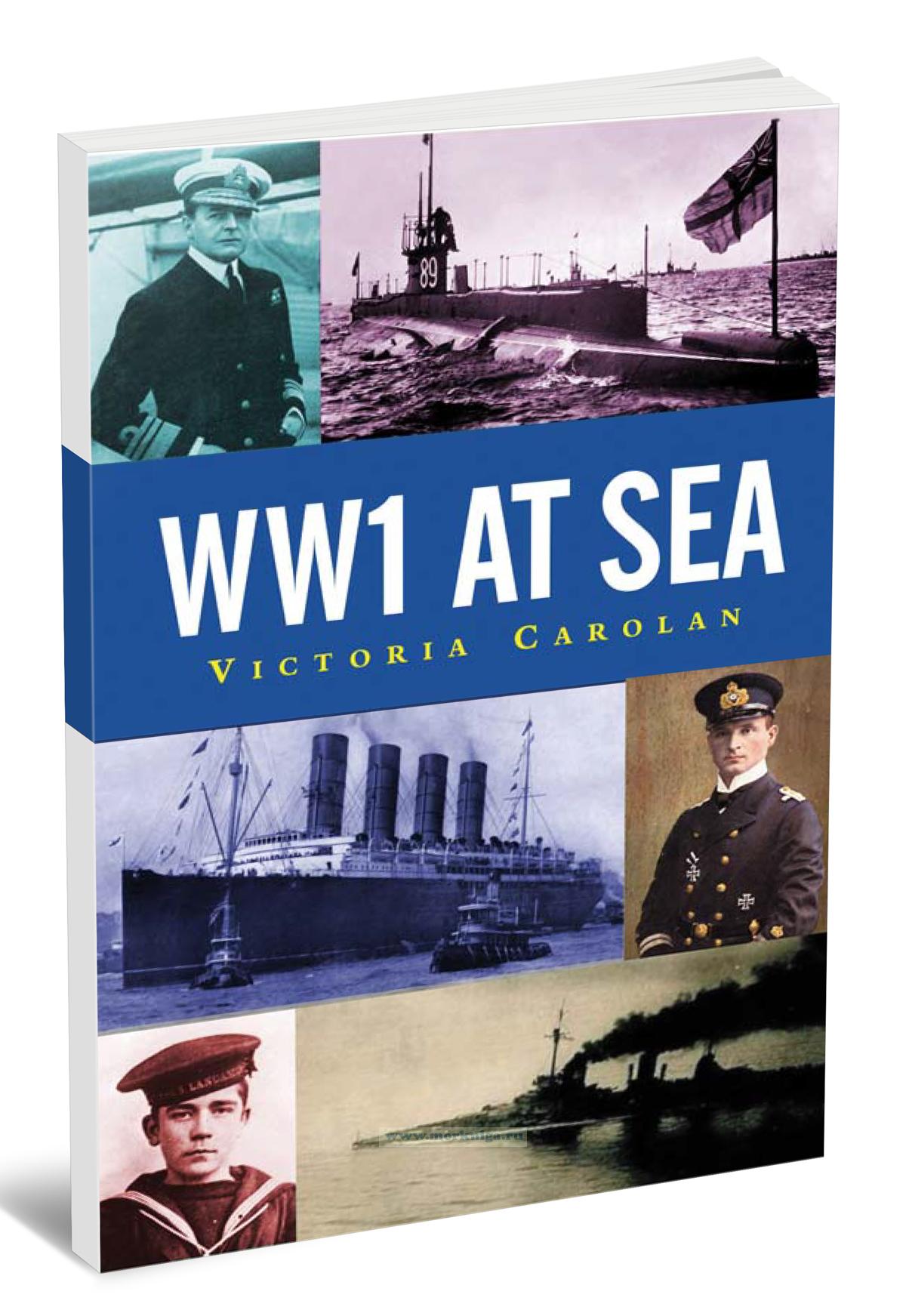
WW1 at Sea/Первая Мировая война на море
Артикул: 00-01106478
в желания В наличии
Автор: Victoria Carolan
Издательство: Pocket Essentials (все книги издательства)
ISBN: 978-1-84243-212-9
Год: 2007
Переплет: Мягкая обложка
Страниц: 160
Вес: 201 г
Издание на английском языке
The book explores the naval component of the First World War, focusing on the importance of control over the sea, which often remains in the shadow of land battles. She describes how the Royal Navy of Great Britain used its naval superiority to blockade Germany, which contributed to its economic exhaustion. The author analyzes technological changes such as submarines and mines and their impact on the course of war, as well as examines key battles and the consequences of unrestricted submarine warfare. In conclusion, the book highlights how the experience gained in this war became an important lesson for World War II, especially in the field of aviation.
Contents
Introduction
1: The War Begins
The Background to the Build Up to liar; The Naval Hrms Race 1 890—1914; The Early Stages of War; The Battle of Heligoland Bight
2: The Surface Raiders and the Battles of Coronel and the Falklands
The Surface Raiders; The Battle of Coronel; The Battle of the Falklands; Dogger Bank
3: Turkey and Mesopotamia
Germany and Turkey 1914; Forcing the Dardanelles; Mesopotamia 1914—1918
4: Submarines and the Baltic
The Creation of the British Submarine Service;The Baltic
5: The Battle of Jutland
6: Defeating the U-Boat and the Final Stages of the War
Unrestricted Submarine Warfare; Zeebrugge and Ostend;The Final Stages of War
Profiles
Beatty, David, first Earl Beatty; Fisher, John Arbuthnot, first Baron Fisher; Hipper, Franz von; Jellicoe, John Rushworth, first Earl Jellicoe; Keyes, Roger John Brownlow, first Baron Keyes; Scheer, Admiral Reinhardt; Spee, Admiral Maximilian von; Tirpitz, Admiral Alfred von; Tyrwhitt, Sir Reginald Yorke
Chronology
Selected Bibliography
Index
Отзывы покупателей (0)
У этого товара пока нет отзывов. Поделитесь впечатлением первым.