

Каталог▲▼
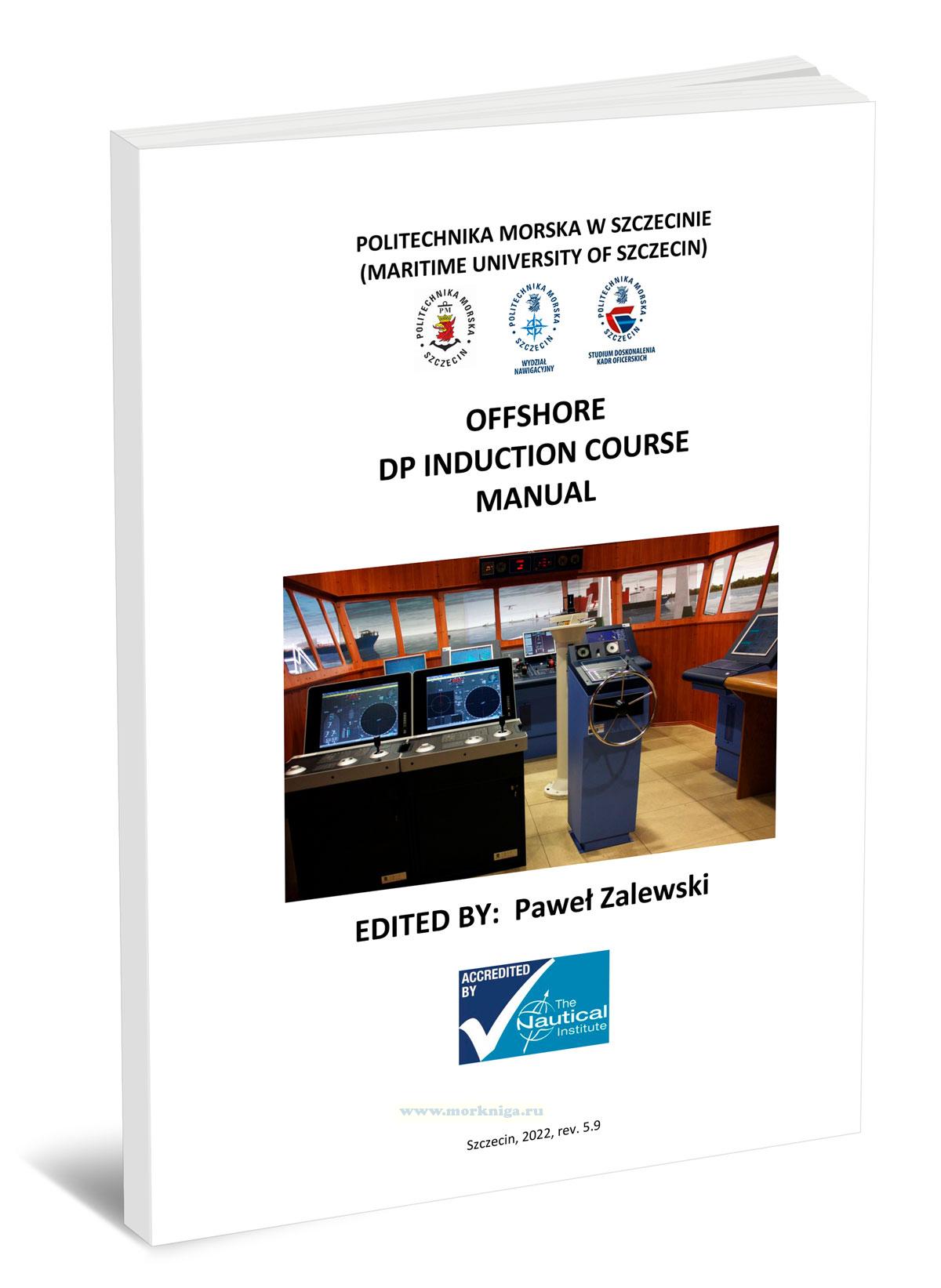
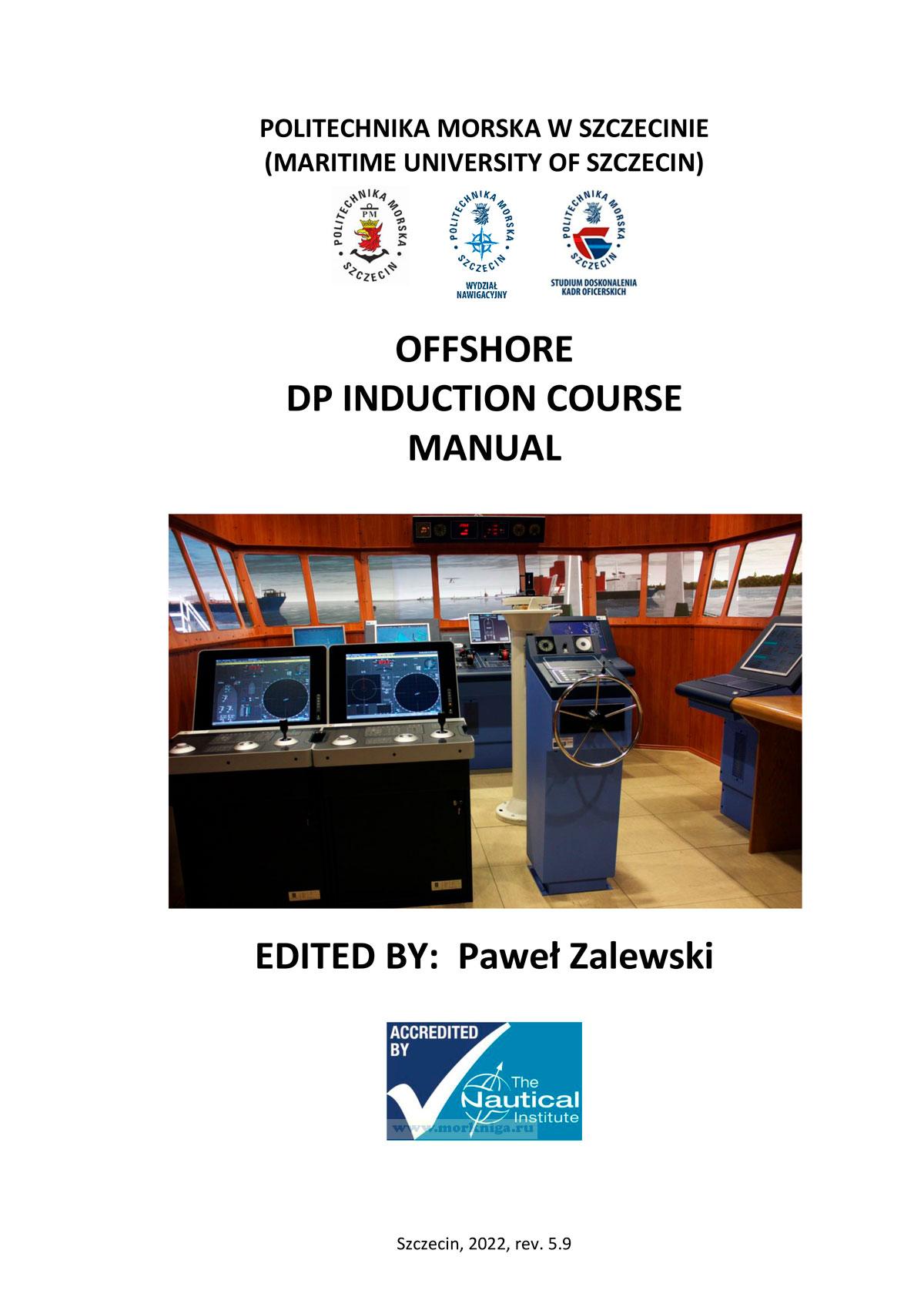
Offshore DP Induction Course Manual Руководство по вводному курсу по оффшорному динамическому позиционированию
Артикул: 00-01115124
в желания В наличии
Автор: Pawel Zalewski
Издательство: MARITIME UNIVERSITY OF SZCZECIN (все книги издательства)
Место издания: Szczecin
Год: 2022
Формат: А4 (210х297 мм)
Переплет: Мягкая обложка
Страниц: 232
Вес: 582 г
Издание на английском языке
The book on dynamic positioning (DP) systems, covering theory, practical procedures, equipment, satellite and acoustic systems, operating modes, and applications in maritime operations. The book also includes standards, regulations, and operator qualification requirements, making it a useful resource for professionals and students in the maritime and offshore industries.
Content
Contents
Foreword
1. Course Aims and Objectives
2. Course Assessment
3. Course Timetable
4. Health and safety information
5. Student's complaint/appeal procedure
6. DP Principles
6.1. Historical Background to DP Development
6.2. Comparison of DP and Anchoring Techniques
6.3. Vessel Movement
6.4. Heading Priority
6.5. Centre of Rotation
7. DP Practice & Procedures
7.1. CAM
7.2. TAM
7.3. ASOG
7.4. Operational Planning
7.5. Contingency Planning
7.6. Problems in deep water locations
7.7. DP operations in shallow waters
7.8. Solitons
7.9. Watchkeeping
7.10. Checklists
7.11. Risk Assessment and Safety Cases
7.12. FMEA
8. DP System Elements and Equipment
8.1. Control elements
8.2. Position Reference
8.3. Taut Wire System
8.4. ARTEMIS Microwave System
8.5. HPR
8.6. DGPS
8.7. Heading Reference
8.7.1. Operation and Selection of Heading Sensor
8.8. Environment Reference Systems or Sensors
8.8.1. Operation and Selection of Wind Sensor
8.8.2. Operation and Selection of VRS
8.8.3. Operation and Selection of Draught Sensor
8.8.4. Operation and Selection of Speed Sensor
8.8.5. Operation and Selection of ROT Sensor
8.9. Heading and Motion Sensor in One
9. DP Control System
9.1. Compensation for wind forces
9.2. The Mathematical Model
9.2.1. Thruster Allocation
9.2.2. Reference System and Sensor Data Processing
9.2.3. Power Load Monitoring and Blackout Prevention
9.2.4. Built-in Trainer
9.2.5. Online Consequence Analysis
9.2.6. Data Logging System
9.3. Human Machine Interface (HMI)
9.4. Operational Modes
9.4.1. Standby Mode
9.4.2. Manual Mode
9.4.3. Auto Position Modes
10. System Redundancy and Equipment Classes
11. K-Pos Systems
11.1. The K-Pos Family of DP Systems
11.2. Integrated Automation System (IAS)
11.3. K-Chief - Marine Automation
11.4. K-Thrust - Thruster Control
11.5. The K-Pos OS (Operator Station)
11.6. The cJoy DP-OT and the c Wing
11.7. The K-Pos DPC (DP Controller)
11.8. Network
11.9. K-Pos DP-11 and DP-12
11.10. K-Pos DP-21 and DP-22
11.11. K-Pos DP-31 and DP-32
11.12. K-Pos in Integrated Automation System Context
11.13. K-Pos IMO Equipment Class 3 Systems
11.13.1. K-Pos DP-21/31 and DP-11 Standard Configuration
11.13.2. K-Pos DP-22/32 and DP-12 Standard Configuration
11.14. K-Pos Extensions and Upgrades
11.15. Hybrid propulsion
12. Position Reference Inputs - Pooling of Data
13. Satellite Systems
13.1. GPS
13.1.1. Control segment
13.1.2. User segment
13.1.3. GPS Services
13.1.4. Satellite Signal
13.1.5. Positioning Principle
13.1.6. Travel Time
13.1.7. Sources of GPS Error
13.1.8. GPS Error Source Budget
13.1.9. Dilution of Precision (DOP)
13.2. DGPS (Differential GPS)
13.2.1. DGPS Error Source Budget
13.3. Relative Positioning - DARPS
13.4. Glonass
13.5. DPS 5D
13.6. DPS i4
14. Acoustics systems - HPR
14.1. Sound in Water
14.1.1. Ray Bending
14.1.2. Sound Profile
14.1.3. Signal Loss
14.1.4. Noise
14.2. Operational Principles - LBL/SBL/SSBL
14.2.1. SSBL Principle (Super Short Base Line)
14.2.2. LBL Principle (Long Base Line)
14.3. Transducers and Transducer Elements
14.4. Transponders
14.4.1. Transponder Deployment
14.4.2. Transponder Models
15. Acoustics systems - HiPAP
15.1. Models of the HiPAP family
16. Acoustic systems - HAIN
16.1. The nature of an Inertial Navigation System
17. Artemis
17.1. System Specifications
17.2. Absolute Positioning Alignment
17.3. Relative Positioning Alignment
17.4. Antenna Tracking
17.5. Distance Measurement (Range)
17.6. Dip Zones
17.7. Artemis Mk III System
17.8. Artemis Mk IV and Mk V System
17.9. Antenna Indicator Display
17.10. Operation
17.11. Artemis Mk IV / V Beacon
17.12. Operation of Two Systems
18. RADius
18.1. Transponder Types
18.2. Operator Interface
18.3. Operational Use
18.4. Positioning Principle
18.4.1. Range - Measurement Principle
18.4.2. Relative Bearing - Measurement Principle
18.4.3. Velocity - Measurement Principle
18.4.4. Operational Ranges
18.5. Advantages
18.6. Disadvantages
19. Fanbeam
19.1. Targets
19.2. Range Measurements
19.3. Bearing Measurements
19.4. Operation
19.4.1. Searching and Selecting a Target
19.4.2. Possible Problems
19.4.3. Data Shown on the Display
19.5. Maintenance
20. Taut Wire
20.1. Light Weight Taut Wire (LTW)
20.2. Moon Pool Taut Wire
20.3. Surface Taut Wire
20.4. Limitations of the System
21. The UTM Co-ordinate System
22. DP Operational Modes and Applications
22.1. Auto Track Modes
22.1.1. Auto Track Mode - low speed
22.1.2. Auto Track Mode - high speed
22.1.3. Autopilot Mode
22.1.4. Follow Target Mode
22.2. Offshore Loading
22.2.1. Weather Vaning
22.3. Offshore Logistics
22.4. Dive Support Operations
22.5. Survey and ROV support vessels
22.6. FPV and FPSO
22.7. Pipelaying
22.8. Trenching and Burying Operations
22.9. Cable Lay and Repair Operations
22.10. Dredging
22.11. Rock Dumping
22.12. Crane Barges
22.13. Offshore Drilling
22.14. Cargo and Cruise Vessels
22.15. Military Vessels
23. Thrusters
23.1. Thruster Allocation Modes
23.2. Thruster Failure Modes
24. Power
24.1. Power Generation
24.2. Switchboards
24.3. Power Management
24.4. UPS Uninterruptible Power Supplies
25. Rules and Regulations
25.1. The IMO Guidelines for Vessels with Dynamic Positioning Systems
25.2. The IMCA Guidelines
25.3. The Norwegian Guidelines
26. Equipment Requirements
26.1. Norsok
26.2. Consequence Analysis
27. NI DP Operator's Certificate
27.1. The DP Offshore Training Scheme
27.2. Phases A and C - DP Induction and Simulator Courses
27.3. Phases B and D DP Sea Time and Tasks
27.4. DP Sea Time Reduction
27.5. Calculation of Sea Time to issue a DP Certificate
27.6. Statement of Suitability
27.7. Time to Complete the Training Scheme
27.8. Company Confirmation Letter
27.9. Certification Application
27.10. Loss of Certificate or Logbook
27.11. Revalidation Criteria and Conversion Routes for NI DP Certificates
28. References
Отзывы покупателей (0)
У этого товара пока нет отзывов. Поделитесь впечатлением первым.