

Каталог▲▼
Introduction to Refrigeration and Air Conditioning Systems Введение в системы охлаждения и кондиционирования воздуха
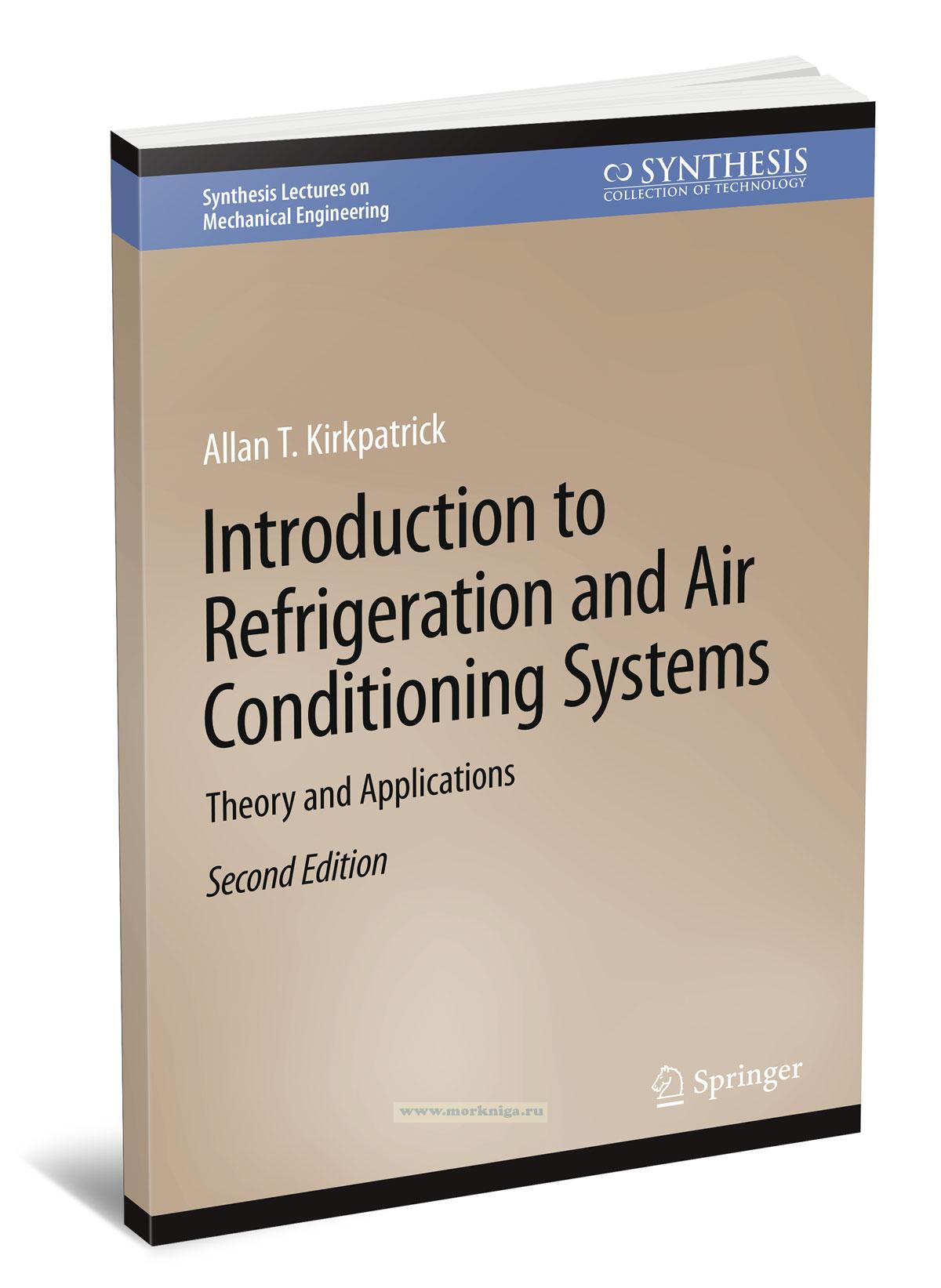
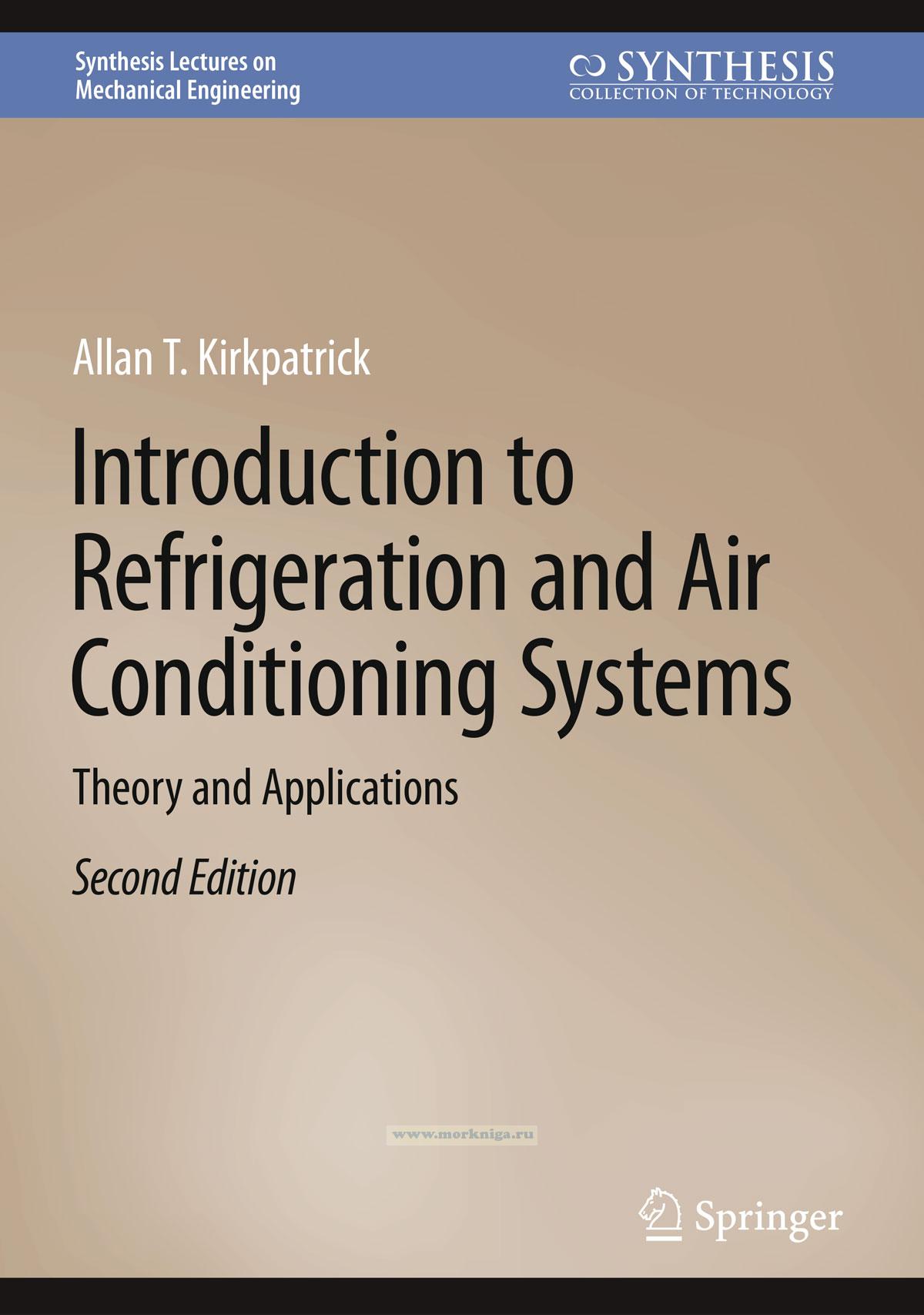
Артикул: 00-01113166
в желания В наличии
Автор: Allan T. Kirkpatrick
Издательство: Springer (все книги издательства)
Место издания: USA
ISBN: 978-3-031-16775-1
Год: 2022
Формат: А4 (210х297 мм)
Переплет: Мягкая обложка
Страниц: 165
Вес: 464 г
Издание на английском языке
This book is an updated guide to refrigeration systems technology. It covers in detail the various types of refrigeration systems, including vapor compression, evaporative, absorption, and gas cooling, as well as the selection of refrigerants, fluid mechanics, heat transfer, and calculations for cooled buildings. Particular attention is paid to the current trend toward environmentally friendly refrigerants with low or zero global warming potential. The book is intended for students and engineering professionals who want to understand the principles of modeling and analyzing refrigeration systems through practical examples and theoretical foundations. It presents methods for evaluating the performance of system components and constructing idealized thermodynamic cycles for real-world operating conditions.
Content
1. Introduction to Cooling Technologies
1.1. Introduction
1.1.1. Cooling Technologies
1.2. Brief History of Cooling Technologies
1.2.1. Refrigeration
1.2.2. Air Conditioning
1.3. Thermodynamic Background
1.3.1. Thermodynamic Properties
1.3.2. Energy Equation, Heat, and Work
1.4. Psychrometrics
1.4.1. Properties of Air-Water Vapor Mixtures
1.4.2. Adiabatic Saturation and Wet Bulb Temperatures
1.4.3. Psychrometric Chart
1.5. Thermal Comfort
1.6. Further Reading
References
2. Vapor Compression Cooling Cycles
2.1. Introduction
2.2. Carnot Refrigeration Cycle
2.3. Vapor Compression Cycle Operation
2.4. Vapor Compression Cycle Analysis
2.5. Efficiency Measures-COP, EER, and SEER
2.6. Refrigerants
2.7. Effect of Evaporator and Condenser Temperature
2.8. Part Load Performance
2.9. Multistage Vapor Compression Systems
2.10. Further Reading
References
3. Evaporative, Absorption, and Gas Cooling Cycles
3.1. Introduction
3.2. Evaporative Cooling
3.2.1. Direct Evaporative Cooling
3.2.2. Indirect Evaporative Cooling
3.3. Absorption Refrigeration Cycles
3.3.1. Absorption Cycle Operation
3.3.2. Absorption Cycle Analysis
3.4. Gas Refrigeration Cycle
3.4.1. Thermodynamic Analysis
3.5. Further Reading
References
4. Fluid Flow in Refrigeration and Air Conditioning Systems
4.1. Introduction
4.2. Fluid Properties
4.3. Fluid Flow Measurement
4.4. Continuity Equation
4.5. Bernoulli's Equation
4.6. Energy Losses in Fluid Flow
4.7. Pump Work and Power
4.8. Air Flow in HVAC Systems
4.9. HVAC Duct Networks
4.10. Fan Performance
4.11. Cooling Coil Fluid Flow
4.12. Room Air Flow
4.13. Mixing Boxes
4.14. Further Reading
References
5. Heat Transfer in HVAC Systems
5.1. Introduction
5.2. Conduction Heat Transfer
5.3. Convection Heat Transfer
5.4. Thermal Resistance
5.5. Heat Transfer in Ductwork
5.5.1. Duct Heat Transfer
5.5.2. Fan Heat Gain
5.6. Radiation Heat Transfer
5.7. Radiation Properties
5.8. Radiation Exchange Between Surfaces
5.9. Multi-mode Heat Transfer
5.10. Further Reading
References
6. Cooling Loads in Buildings
6.1. Introduction
6.2. Sensible and Latent Building Loads
6.3. Internal Loads
6.4. Weather Data
6.5. Ventilation
6.6. Infiltration
6.7. Solar Radiation
6.8. Wall Conduction
6.9. Further Reading
References
7. Cooling Equipment
7.1. Introduction
7.2. Heat Exchangers
7.3. Heat Transfer in Heat Exchangers
7.4. Condensers
7.4.1. Condensation Heat Transfer
7.4.2. Evaporative Condensers
7.5. Evaporators
7.6. Boiling Heat Transfer
7.7. Cooling Towers
7.8. Compressors
7.8.1. Reciprocating Compressors
7.8.2. Centrifugal Compressors
7.8.3. Compressor Lubrication
7.9. Expansion Valves
7.10. Further Reading
References
Appendix. A: Physical Constants and Conversion Factors
Отзывы покупателей (0)
У этого товара пока нет отзывов. Поделитесь впечатлением первым.