

Каталог▲▼
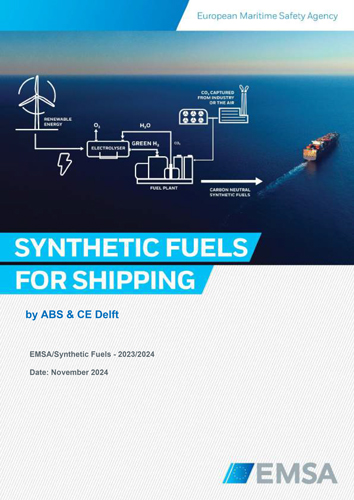
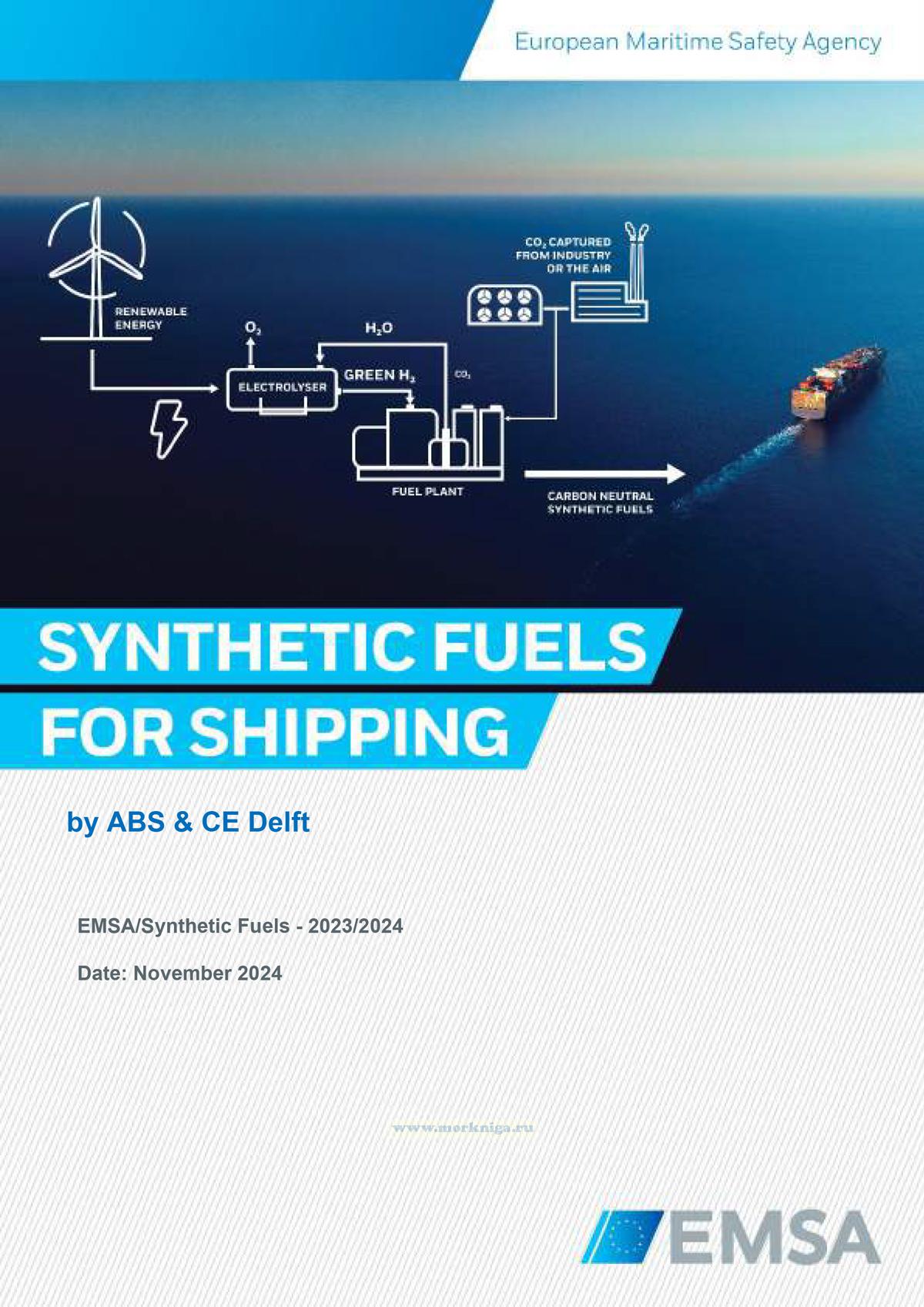
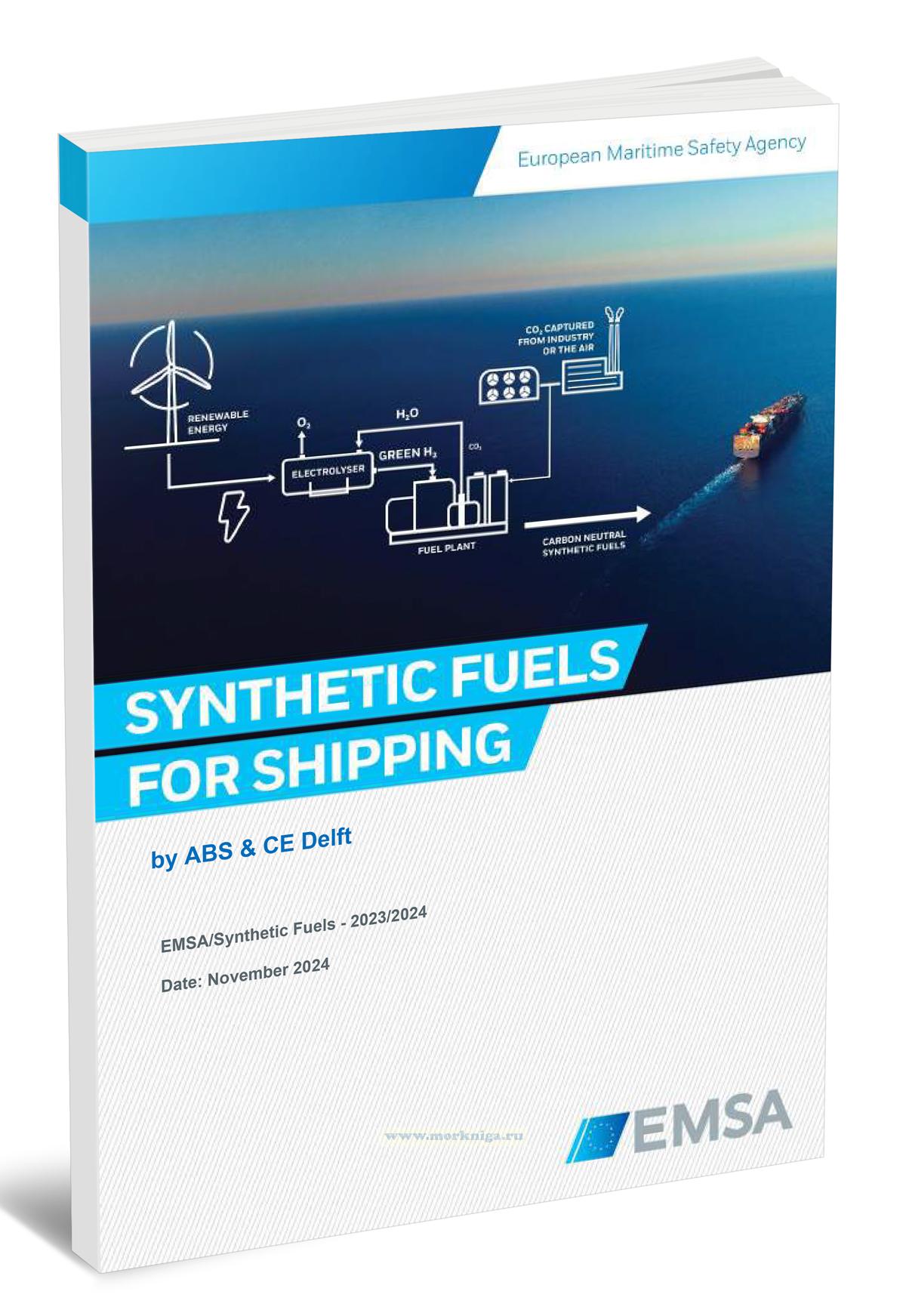
Synthetic fuels for shipping/Синтетическое топливо для судоходства


Артикул: 00-01106330
в желания В наличии
Автор: Laursen, R.; Sofiadi, D., Nelissen, D., Kiraly, J., van der Veen
Издательство: European Maritime Safety Agency (все книги издательства)
Год: 2024
Переплет: Мягкая обложка
Страниц: 110
Вес: 277 г
Издание на английском языке
The publication is dedicated to the challenges and changes in the marine industry related to environmental regulations, globalization and digitalization. It highlights the need to move towards sustainable energy sources and reduce greenhouse gas emissions, especially in light of the goals of the Paris Agreement and the initiatives of the European Union. The paper discusses various types of renewable fuels such as e-methanol, e-methane, and e-diesel that can replace traditional fossil fuels without significant changes to existing systems. The focus is on potential solutions to achieve carbon neutrality in marine transport, as well as the need for a rapid transition to new technologies to reduce climate impacts.
Contents
Executive Summary
Table of Contents
List of Figures
1. Introduction
1.1 Background
1.2 Definitions
1.3 Scope and Objectives
1.4 Acronym List
2. Use of e-Fuels in the Shipping Sector
2.1 Production Technologies
2.2 Sustainability
2.3 Availability
2.4 Suitability
2.5 Cost Developments and Techno-Economic Analysis
3. Safety and Environmental Regulations, Standard and Guidelines
3.1 Bunkering, onboard storage, handling and use of synthetic fuels - Introduction
3.2 International
3.3 Regulations for EU member states
3.4 Other relevant regulation from other Nations
3.5 Gap Analysis
3.6 Marine regulation conclusions
4. Conclusions of Synthetic Fuels Study
References
Appendix A - Current and planned vessels
Appendix B - Overview of data of the economic analysis
Input variables
List of considered ship types and sizes
Detailed results cost analysis
Appendix C - Detailed Regulatory Gap Analysis
Appendix D - Symbols, Abbreviations and Acronyms
Отзывы покупателей (0)
У этого товара пока нет отзывов. Поделитесь впечатлением первым.