

Каталог▲▼
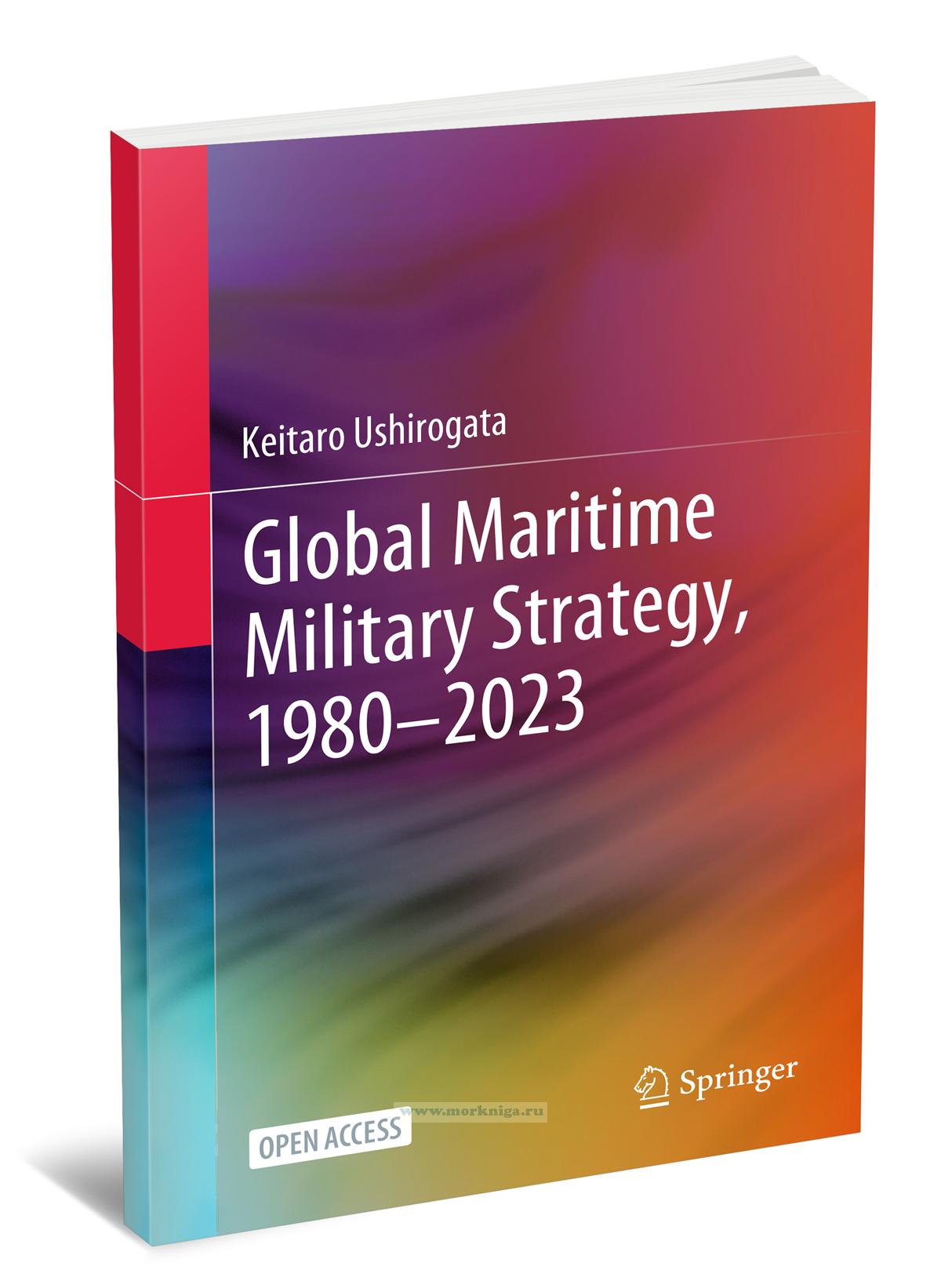
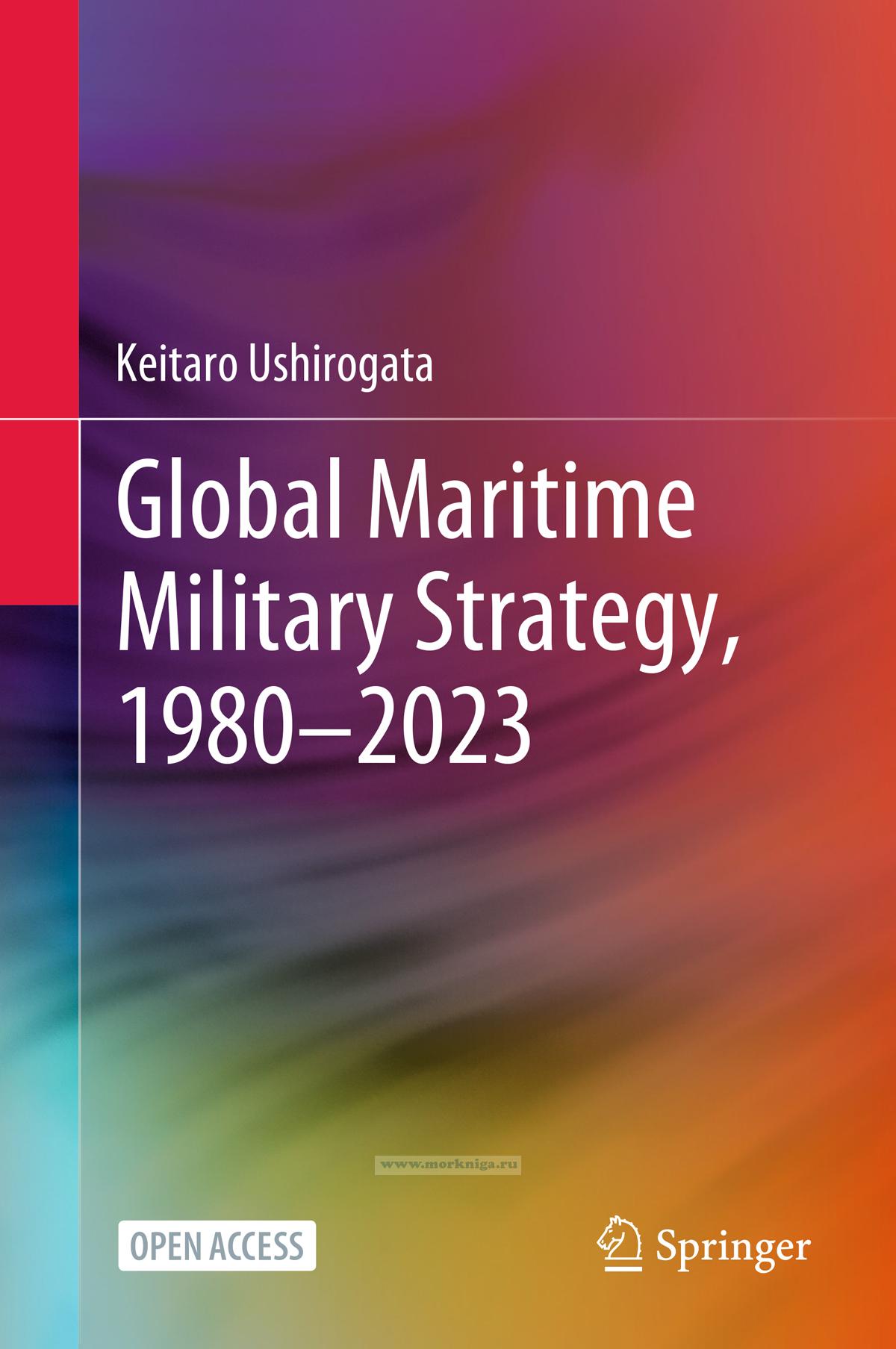
Global Maritime Military Strategy, 1980-2023/Глобальная военно-морская военная стратегия, 1980-2023
Артикул: 00-01112613
в желания В наличии
Автор: Keitaro Ushirogata
Издательство: Springer (все книги издательства)
ISBN: 978-981-96-2398-3
Год: 2025
Формат: А4 (210х297 мм)
Переплет: Мягкая обложка
Страниц: 228
Вес: 572 г
Издание на английском языке
The book covers the development of US, European and Asian maritime strategies, their goals and the impact of global changes.
Contents
1. Theoretical Perspectives on Maritime Strategy
Note
2. What is Meant by "Maritime Strategy"?
2.1. Transition in the International System and Military Strategy
2.2. The Three Components of Maritime Military Strategy
2.3. Assumptions and Research Questions
2.4. Presentation of Expected Variables and Selection of Countries for Analysis
Notes
3. Components of Maritime Military Strategy and an Analytical Framework
3.1. Conventional Theories of Sea Power and Their Problems
3.2. Derivation Process of the Analytical Framework (1): the Far East Theater in the Late Cold War
3.3. Derivation Process of the Analytical Framework (2): Asia-Pacific Theater in the Twenty-First Century
3.4. Debates Over the Concept of Sea Control: Classical Sea Power Argument
3.5. The Role of Military Power in the Maritime Domain (1): Sea Power Argument Since World War II
3.6. The Role of Military Power in the Maritime Domain (2): Deterrence by Conventional Forces
3.7. Hurdle No. 1 in the Use of Military Force: Avoidance of Casualties
3.8. Hurdle No. 2 in the Use of Military Force: Tyranny of Distance
3.9. Is the "Offense-Defense" Dualism Valid?
3.10. Sub-conclusion: Main Issues Identified Thus Far
3.10.1. Difficulty of Power Projection
3.10.2. Tyranny of Distance
3.10.3. Mutual Area Denial
3.10.4. The "Stability-Instability Paradox" and the Stalemate in the Maritime Domain
3.10.5. Sea Control amid Globalization
3.10.6 Sea Control and Self-contained Naval Power
Notes
4. Deciphering the Maritime Strategies of Maritime Nations
Note
5. The Maritime Strategy of the United States: Dependence on Sea Control and Power Projection
5.1. The Rise of the Soviet Navy and the Emphasis on Sea. Control: The Late Cold War (1980-1989)
5.2. Power Projection Based on Sea Control: The Post-cold. War Period (1990-2009)
5.3. Return to Sea Control: China's Maritime Expansion (2010-2023)
5.4. Changing Strategic Objectives in the U.S. Air Force: Strategic Bombing and Expeditionary Forces
Notes
6. The Maritime Strategy of the United Kingdom: Declining Strength and Unchanged Force Composition
6.1. Changes in Strategic Military Objectives in the Maritime. Domain
6.2. Maintaining Independent Nuclear Forces
6.3. The Situation up to the Falklands War (1980-1981)
6.4. The Limits of Operational Capability in the Falklands War (1982)
6.5. The Falklands War and Beyond (1983-2023)
Notes
7. The Maritime Strategy of Japan: Area Denial Against the Soviet Union and China and the Pursuit of Sea Control
7.1. Late Cold War: Area Denial and Sea Control Capabilities. Against the Soviet Union (1980-1989)
7.2. Post-Cold War Era: Expansion of Area of Operations and Enhancement of Sea Control Capabilities (1990-2009)
7.3. China's Maritime Expansion: Reinvesting in Area Denial (2010-2023)
7.4. Evaluation from the Perspective of Assets Held by the Maritime Self-Defense Force
Notes
8 Deciphering the Maritime Strategies of Land Powers
Note
9. The Maritime Strategy of Russia: Consistent Area Denial and Limited Power Projection
9.1. Maritime Bastion Strategy in the Late Cold War (1980-1989)
9.2. Decline in Strength Since the Collapse of the Soviet Union (1990-2009)
9.3. Priority of Area Denial in the Period of Strength Recovery (2010-2023)
9.4. Russia's Strategic Military Objectives
Notes
10. The Maritime Strategy of India: From Typical Land Power to Sea Control of the Indian Ocean
10.1. Potential Confrontation with the United States and Strengthened Area Denial (1980-1989)
10.2. Post-Cold War Era: Enhancing Sea Control Capabilities in the Indian Ocean (1990-2009)
10.3. Reacting to China's Maritime Expansion (2010-2023)
Notes
11. The Maritime Strategy of China: From Area Denial to Sea. Control and Power Projection
11.1. The Beginning of Modernization and Offshore Defense (1980-1992)
11.2. Development of China's Area Denial Capability Against the United States (1993-2009)
11.3. Expansion of Sea Control and Power Projection. Capabilities in the South China Sea (2010-2023)
11.4. Intentions for Improving Sea Control and Power Projection Capabilities and Evaluation of Current Status
Notes
12. Conclusion: Causal Inferences on Maritime Strategies
12.1. Individual Assessment of the Six Countries
12.1.1. United States
12.1.2. United Kingdom
12.1.3. Japan
12.1.4. Russia
12.1.5. India
12.1.6. China
12.2. Patterns of Prioritizing for Strategic Objectives
12.3. A Causal Inference Model of Modern Maritime Strategy
12.4. Addendum: Can the Possibility of Nuclear Escalation and Future Technological Innovation Negate the Arguments in This Book?
Notes
Afterword: (Some Very Personal Acknowledgments)
Bibliography
Subject Index
Name Index
Отзывы покупателей (0)
У этого товара пока нет отзывов. Поделитесь впечатлением первым.