

Каталог▲▼
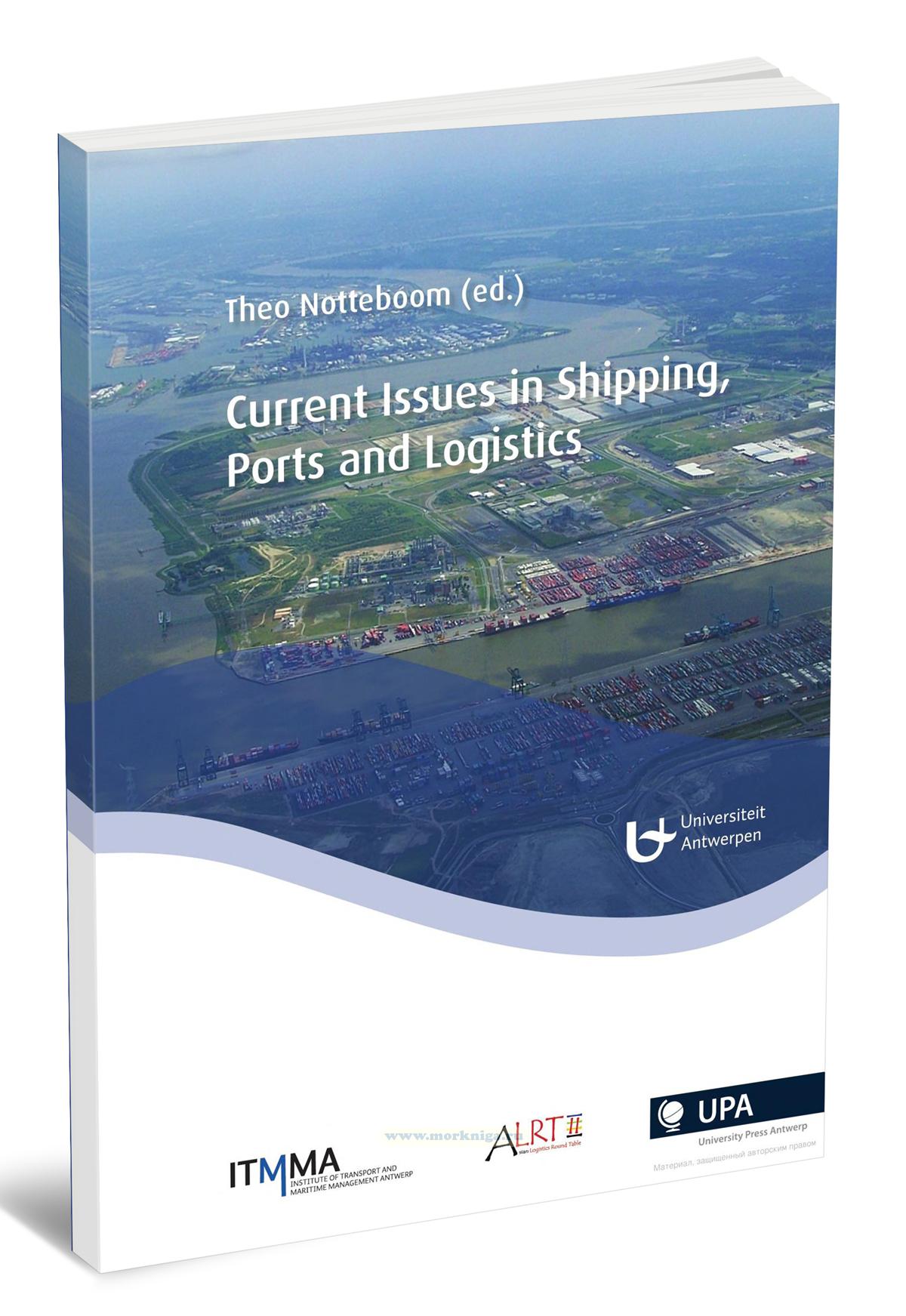
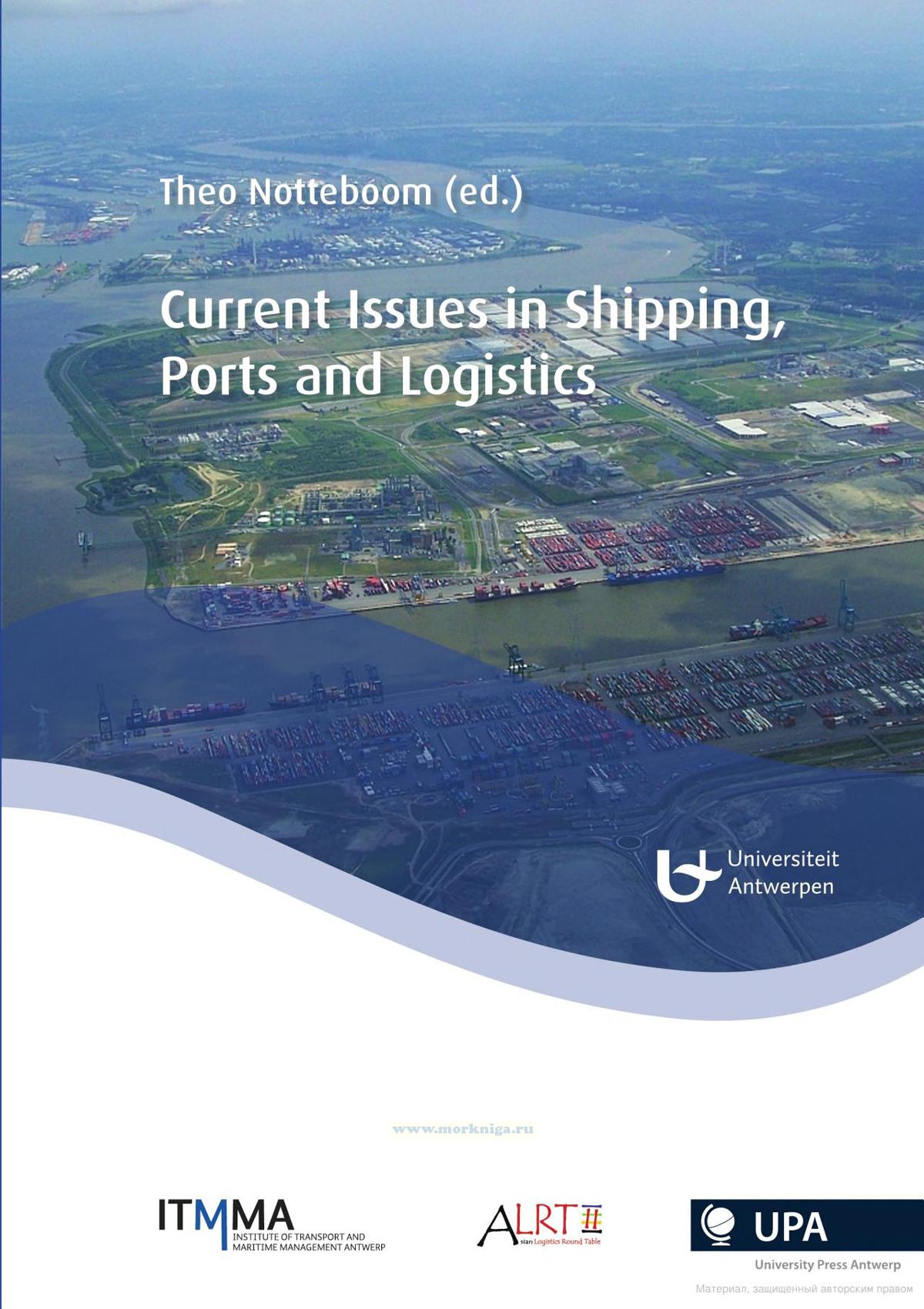
Current Issues in Shipping, Ports and Logistics/Актуальные вопросы судоходства, портов и логистики
Артикул: 00-01106119
в желания В наличии
Издательство: UPA (все книги издательства)
Место издания: Antwerp
ISBN: 978-90-5487-858-2
Год: 2011
Переплет: Мягкая обложка
Страниц: 608
Вес: 1614 г
Издание на английском языке
The book explores the current challenges faced by shipping, ports, and logistics in today's global economy. She highlights the importance of these sectors for creating added value and jobs, as well as their role in facilitating international trade. In the context of increasing globalization and complex business networks, the book examines the challenges associated with efficiency, expanding services, reducing the environmental footprint and ensuring high safety standards. The collected materials represent 31 contributions from more than 50 authors from 14 countries and six continents, which gives the book an international character. It covers five key topics: current issues in shipping, flow and network analysis, terminal operations and performance, logistics, and port development. Many articles were presented at the Asian Logistics Round Table conference in Antwerp in 2010, which facilitated the exchange of ideas and the development of the book project. The book adds value to the existing literature on these topics and promotes further systematic thinking in the field of shipping, ports and logistics.
Contents
Introduction
Part 1 Current issues in shipping
Chapter 1 The Role of the Shipper in Decarbonising Maritime Supply Chains
Robert Woolford and Alan McKinnon
Chapter 2 Shipping Companies' Awareness and Preparedness for Greenhouse Gas Regulations: a Korean Case
Sang-Yoon Lee and Young-Tae Chang
Chapter 3 The Determinants of Tanker Price in the Chinese Shipbuilding Industry
Liping Jiang
Chapter 4 Bunker Costs in Container Liner Shipping: are Slow Steaming Practices reflected in Maritime Fuel Surcharges?
Pierre Cariou and Theo Notteboom
Chapter 5 Integrating Intangible Resources in Strategic Co-Operations of Container Lines: Ships Agents' Perspective
Indika Sigera, Stephen Cahoon and Jiangang Fei
Chapter 6 Piracy off the Horn Of Africa: Impact on Regional Container Services on the Middle East-Africa Trade
Paul De Coster and Theo Notteboom
Chapter 7 World LNG Shipping: Dynamics in Markets, Ships and Terminal Projects
Siyuan Wang and Theo Notteboom
Part 2 Current issues in the analysis of flows and networks
Chapter 8 The EU-Hanseatic Trading Rim in the 2009World Crisis
Anneleen Claessens, Evrard Claessens, Vesna Stavrevska and Franky To
Chapter 9 Estimating Global Container Flows Using a Strategic Network Choice Model
Lordnt Tavasszy, Michiel Minderhoud, Jean-Frangois Perrin, T. Notteboom
Chapter 10 Network Position and Throughput Performance of Seaports
Cesar Ducruet, Sung-Woo Lee and Ju-Mi Song
Chapter 11 North Africa and International Trade Networks: Port Investments and Market Opportunities
Claudio Ferrari, Francesco Parola and Alessio Tei
Chapter 12 Applying Port Development Models Upstream: the Case of the Yangtze River Port System
Albert Veenstra and Theo Notteboom
Chapter 13 Emerging Global Networks in the Container Terminal Operating Industry
Theo Notteboom and Jean-Paul Rodrigue
Chapter 14 In Search of Routing Flexibility in Container Shipping: the Cape Route as an Alternative to the Suez Canal
Theo Notteboom
Part 3 Current issues in terminal operations and performance
Chapter 15 Quay Efficiency of Container Terminals: Comparison between Ports in China and its Neighboring Ports
Tao Chen
Chapter 16 Measuring and Analysing Terminal Capacity in East Africa: The Case of the Seaport of Dar Es
Salaam John Layaa and Wout Dullaert
Chapter 17 Developing a New Technique for Evaluating Service Quality of Container Ports
Kai-Chieh Hu and Paul T-W Lee
Chapter 18 The Size Distribution of Container Terminals: An Inter-Quartile Range Analysis
Vicky Kaselimi and Theo Notteboom
Chapter 19 Exogenous Determinants of Land Productivity of Container Terminals
Dries Verbraeken and Theo Notteboom
Part 4 Current issues in logistics
Chapter 20 Shipment Consolidation and Container Booking Planning for Sea Freight Forwarders
Manoj Lohatepanont, Pakorn Rattanatsuwan, Supaporn Siripraprut and Nantavat Kamolthiptrakul
Chapter 21 Managing Speed and Reliability in Freight Transport
Wout Dullaert and Luca Zamparini
Chapter 22 Taking Replenishment Capacity into Account in a Basestock Inventory Policy
Thomas Dubois, Birger Raa and Wout Dullaert
Chapter 23 The Development of Time Driven Activity-Based Costing Models: A Case Study in a Road Transport and Logistics Company
Sirirat Somapa, Martine Cools and Wout Dullaert
Chapter 24 China's Logistics Service Enterprise Structure: Institutional Impediment to Multimodalism
Booi H. Kam and Peter J. Rimmer
Part 5 Current issues in port development and governance
Chapter 25 Transport Node Governance in a Changing World: The Institutional Reform of Tianjin Port
Eva Chen Shou, Adolf K.Y. Ng and Athanasios A. Pallis
Chapter 26 The Impact of Institutional Structure on the Development of Inland Waterway Transport in the Pearl River Basin Jinyu Li, Theo Notteboom and James Wang
Chapter 27 The Next Step on the Port Generations Ladder: Customer-Centric and Community Ports
Matthew Flynn, Paul T-W Lee and Theo Notteboom
Chapter 28 The Development of Bangkok Port
Kamonchanok Suthiwartnarueput
Chapter 29 The Spatial Distribution of Port Activity: Theoretical and Methodological Notes for Modelling and Research
Erick Leal, Theo Notteboom and Ricardo Sanchez
Chapter 30 Small and Medium-Sized Ports (SMPs) in Multi-Port Gateway Regions: The Role of Yingkou in the Logistics System of the Bohai Sea
Lin Feng and Theo Notteboom
Chapter 31 An Institutional and Regulatory Framework for Dry Port Development
Linda Spies and Theo Notteboom
About the Authors
Отзывы покупателей (0)
У этого товара пока нет отзывов. Поделитесь впечатлением первым.