

Каталог▲▼
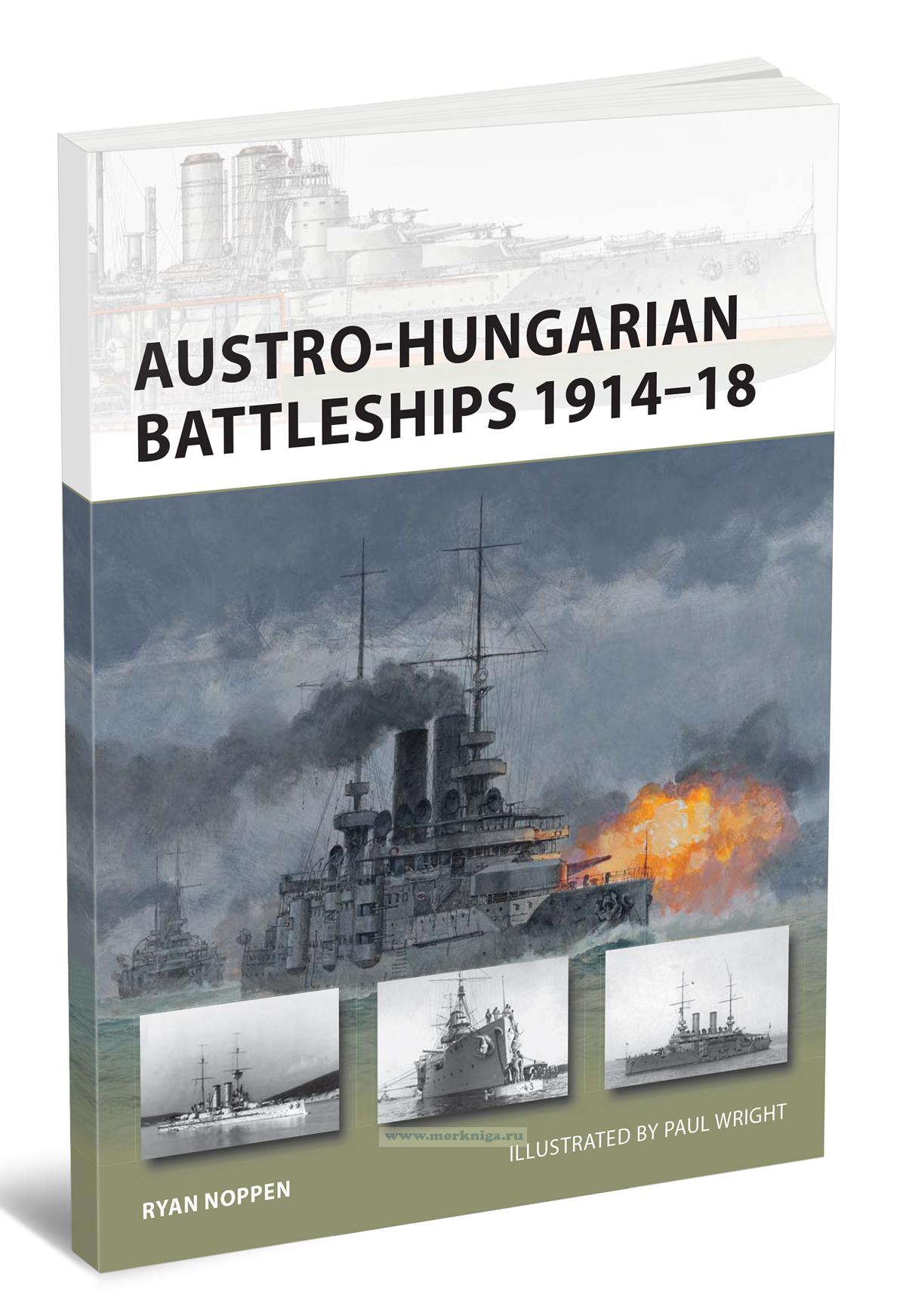
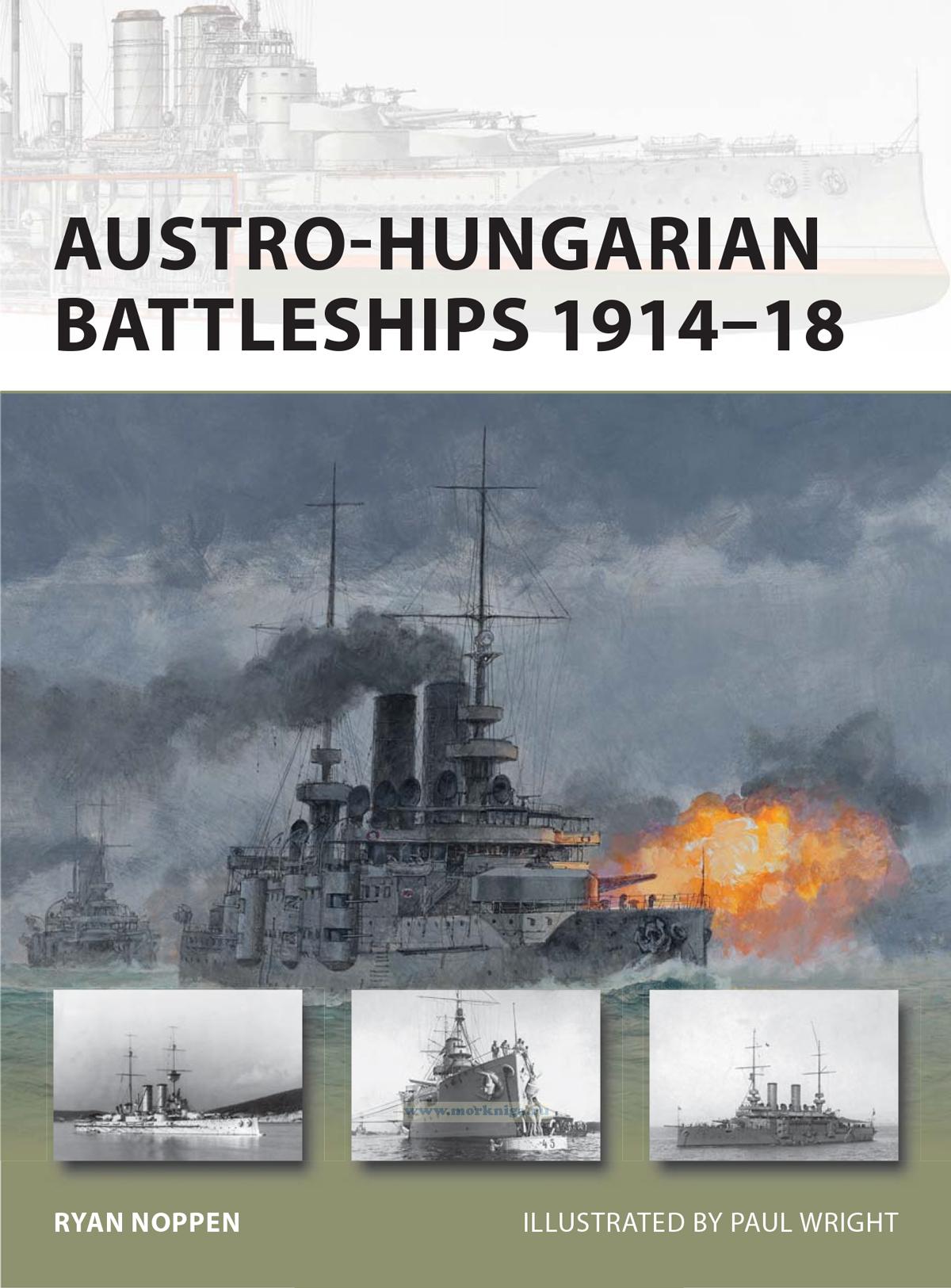
Austro-Hungarian Battleships 1914-18/Австро-венгерские линкоры 1914-18
Артикул: 00-01105963
в желания В наличии
Автор: R. Noppen
Издательство: Osprey Publishing (все книги издательства)
Место издания: Oxford
Серия: New Vanguard
ISBN: 978-1-84908-688-2
Год: 2012
Переплет: Мягкая обложка
Страниц: 50
Вес: 118 г
Издание на английском языке
The book tells about the development of the navy of the Austrian Empire, starting with the victory of Admiral Wilhelm von Tegetthoff in the Battle of Lissa in 1866. Although this battle is considered the empire's greatest naval victory, it also marked the beginning of stagnation for the Kriegsmarine. After the peace agreement with Italy, interest in naval power quickly waned, especially after the creation of the dual monarchy of Austria-Hungary in 1867, when the Hungarian parliament began to refuse to finance naval construction. The political situation changed, and Italy was no longer considered a potential rival, which also contributed to the decline of the fleet. With funding constraints, the Austrian naval leadership, inspired by the Jeune Ecole concept, focused on building smaller torpedo vessels, although they continued to believe in outdated tactics such as ramming. However, at the beginning of the 20th century, under the leadership of new admirals and with the support of the heir to the throne, Archduke Franz Ferdinand, the Kriegsmarine experienced its unique "maritime renaissance", realizing the need for a modern fleet to protect the coast and the growing maritime trade. By the beginning of the First World War, the fleet, despite internal political contradictions and budgetary constraints, had become compact and powerful, ready for the challenges of the time.
Contents
Introduction
Monarch class
Armament
Armor and Machinery
Habsburg class
Armament
Armor and Machinery
Erzherzog Karl class
Armament
Armor and Machinery
Radetzky class
Armament
Armor and Machinery
Tegetthoff class
Armament
Armor and Machinery
Austro-Hungarian battleship actions in World War I
Securing the Cattaro Naval Base
The Bombardment of Ancona
The Cortellazzo Bombardment
The Loss of Wien
The Loss of Szent Istvan
The Last Days of Austria-Hungary’s Battleships
Bibliography
Index
Отзывы покупателей (0)
У этого товара пока нет отзывов. Поделитесь впечатлением первым.