

Каталог▲▼
Nautical Media - An Historical Ethnography of Ships and Control Rooms/Морские СМИ - историческая этнография кораблей и пунктов управления
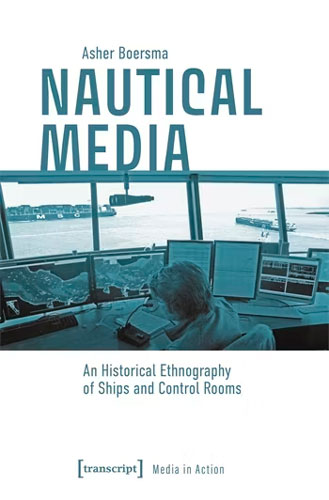


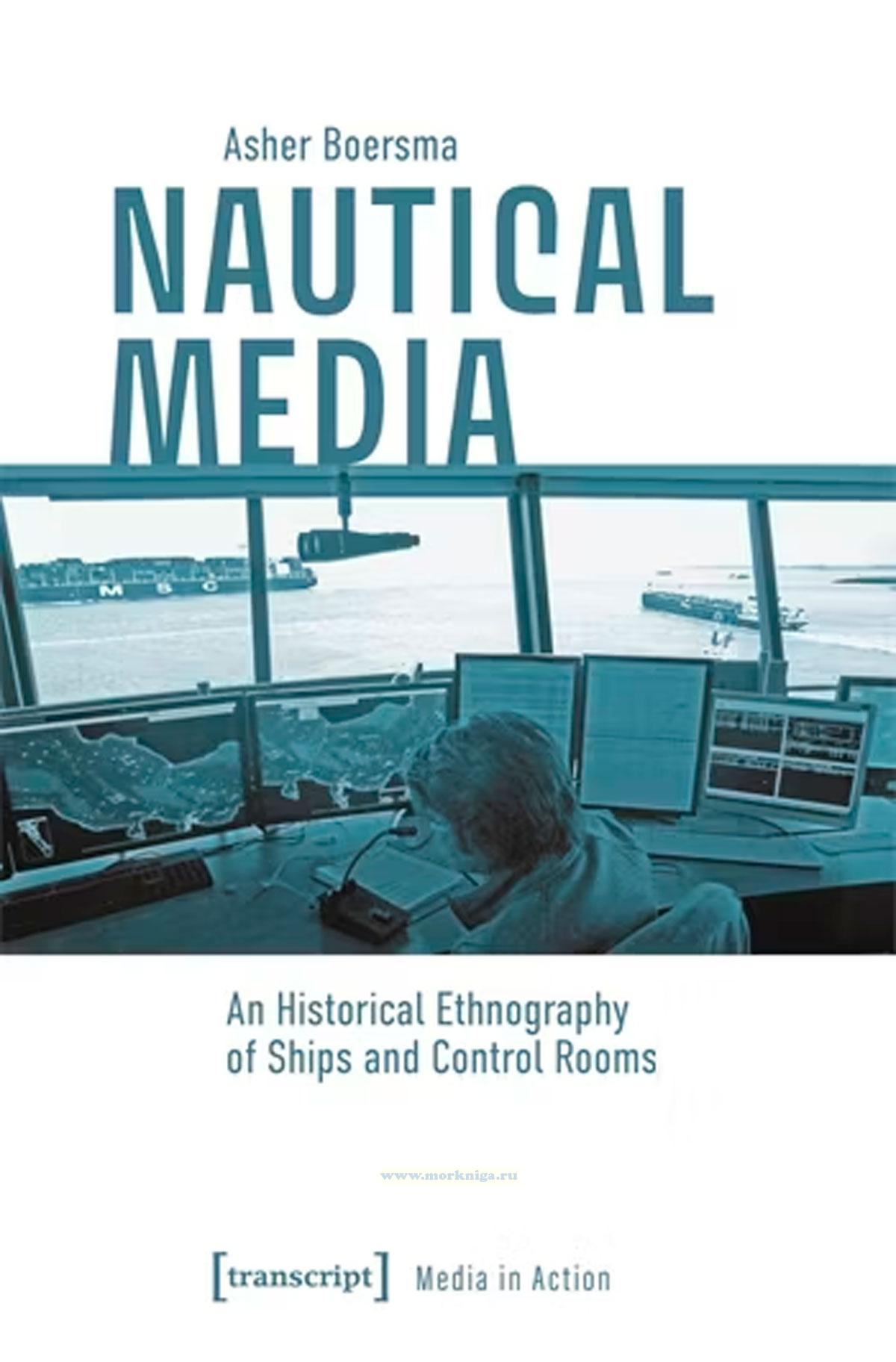
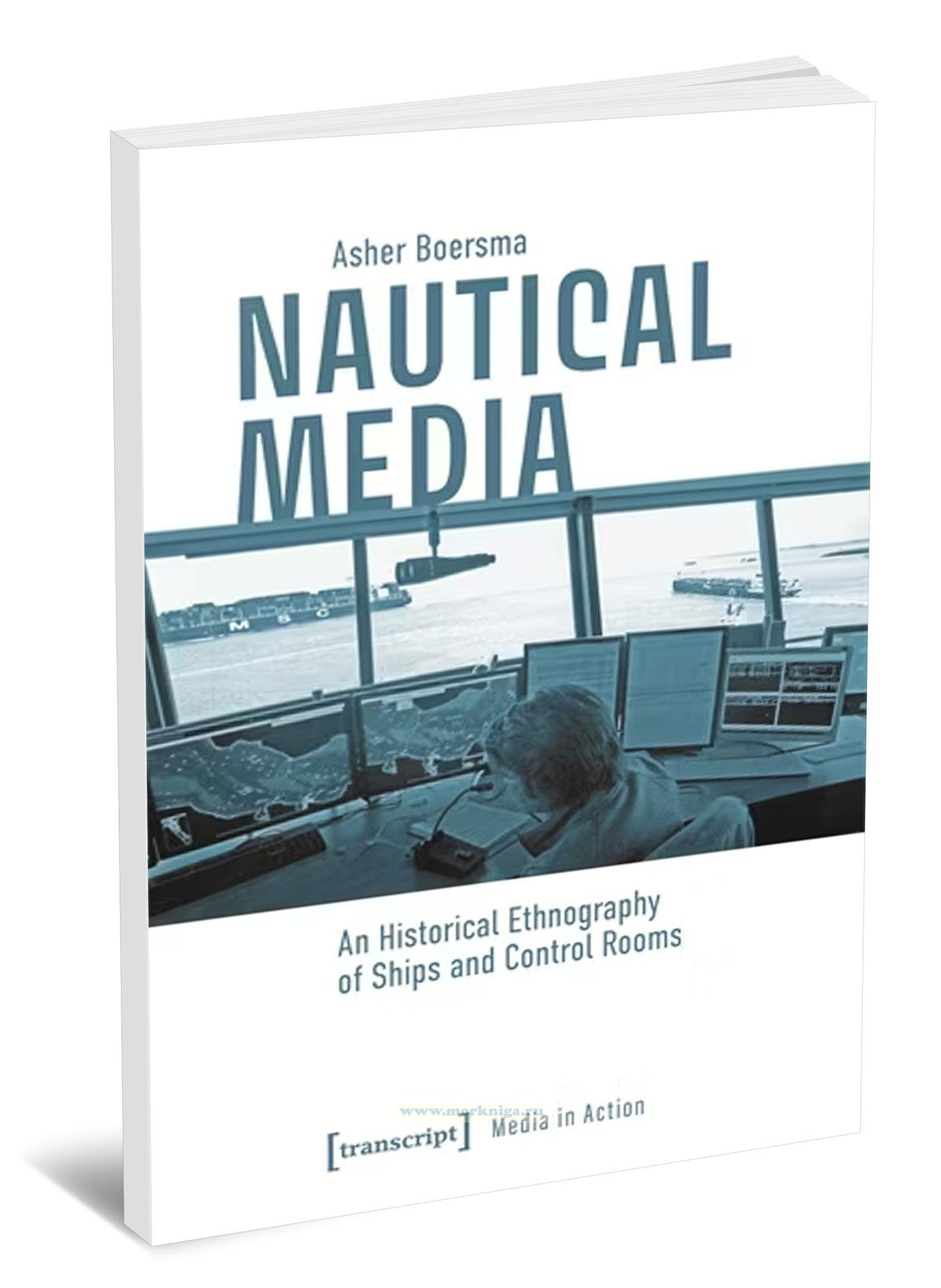
Издание на английском языке
This book provides a detailed description of the organization and use of media technologies in navigation and river transport control systems, examining the role of operators, visualization of operations, and modern communication tools. It explores the processes of establishing control centers, the interaction between humans and technology, as well as the specifics of navigation, time management, and future trends in transport infrastructure and the media environment.
Content
Foreword
Prologue
Introduction
Chapter 1 - Devil's Island
1.1. "Will you decipher the name?"
1.2. The island takes shape
Rijkswaterstaat enters the scene
1.3. Enrolling a name
1.4. Testing a hypothesis
1.5. The need for mediated control
Unification of the Rhine
Mechanisation of inland navigation
Managing distance and proximity
Centralisation as prestige
Oversight and overview of traffic
1.6. A control room on Devil's Island
Growing infrastructural complexity
Rijkswaterstaat in transition
River masters at the frontier of changes
Conceptual development of the Dordrecht control room
Establishment of a control room on Devil's Island
1.7. Conclusion
Chapter 2 - The Mediatisation of Work
2.1. The anthropological interest in historiography
Archives: structured absence
Situating oral history
2.2. (Former) skippers with nautical media skills
Joining and (never really) leaving a community of practice
Mediatisation
2.3. Dordrecht control room (start-up) problems
A kitchen and bathroom in the control room
2.4. A first professional rivalry
2.5. Formalisation of work
Initial formalisation left room for operators
Loose learning on board in a formal structure
Early media technology affords autonomy
Simulatable
2.6. Managers contesting professionalisation of operators
The managerial trend
Becoming a manager
Managerialised and mediatised work
2.7. Conclusion
Chapter 3 - Control room Prestige and Design intertwined
3.1. Traditions of making the control room (work) visible
The representational tradition of Rijkswaterstaat
Same control room photo, different readings
3.2. Combining workplace studies and media studies to avoid their pitfalls
3.3. Control room gatekeepers caught between prestige, concentration and resignation
The three phases of gatekeeping
Who gets in Designing control room visits
Broken door (politics)
Historicising gatekeeping, seeing control futures
3.4. Conclusion
Chapter 4 - Tweeting operators
4.1. From broadcasting concerns to tweeting operators
Retired operator speaks
What tweeting can do
Who to follow?
4.2 Localising tweets
Persistent
Significant but less frequent
Expected but rarely encountered
4.3. Conclusion
Chapter 5 - Media of Separation
5.1. Navigating research: follow the practice
I. Following actors empirically
II. Action is distributed and dependent on media
III. Follow the practice of ordering
5.2. Boarding the ships
5.3. Undetermined future: conflicting priorities in navigating rivers
Episode one: accounting and steering clear-navigational ordering seen from the wheelhouse
Episode two: Conflicting temporalities of navigation-seen from the control room
5.4. Just in time: navigating competition, speed and low water
Episode one: closing time window-balancing draft, speed and riverbed
Episode two: losing time-the collective problem of acceleration
Episode three: stealing time-breaking agreements and consensus
5.5. Resting time: navigating with assemblages of surveillance
5.6. Asynchronous times: navigating shipping and family life
Episode one: pockets of synchronous time-stacking intimate orderings on others
Episode two: solitary time-media compete for attention
Episode three: sharing time and space-enduring intolerance
Episode four: sharing time and space-active negotiation between orderings
5.7. Conclusion
Conclusion
1. Presumed invisibility
2. Transdisciplinary
3. Theoretical contributions
4. Revisiting Cognition in the Wild
Every field its own question?
Embodied navigation of risk
Navigating is infrastructuring
Literature
List of Figures
Отзывы покупателей (0)
У этого товара пока нет отзывов. Поделитесь впечатлением первым.