

Каталог▲▼
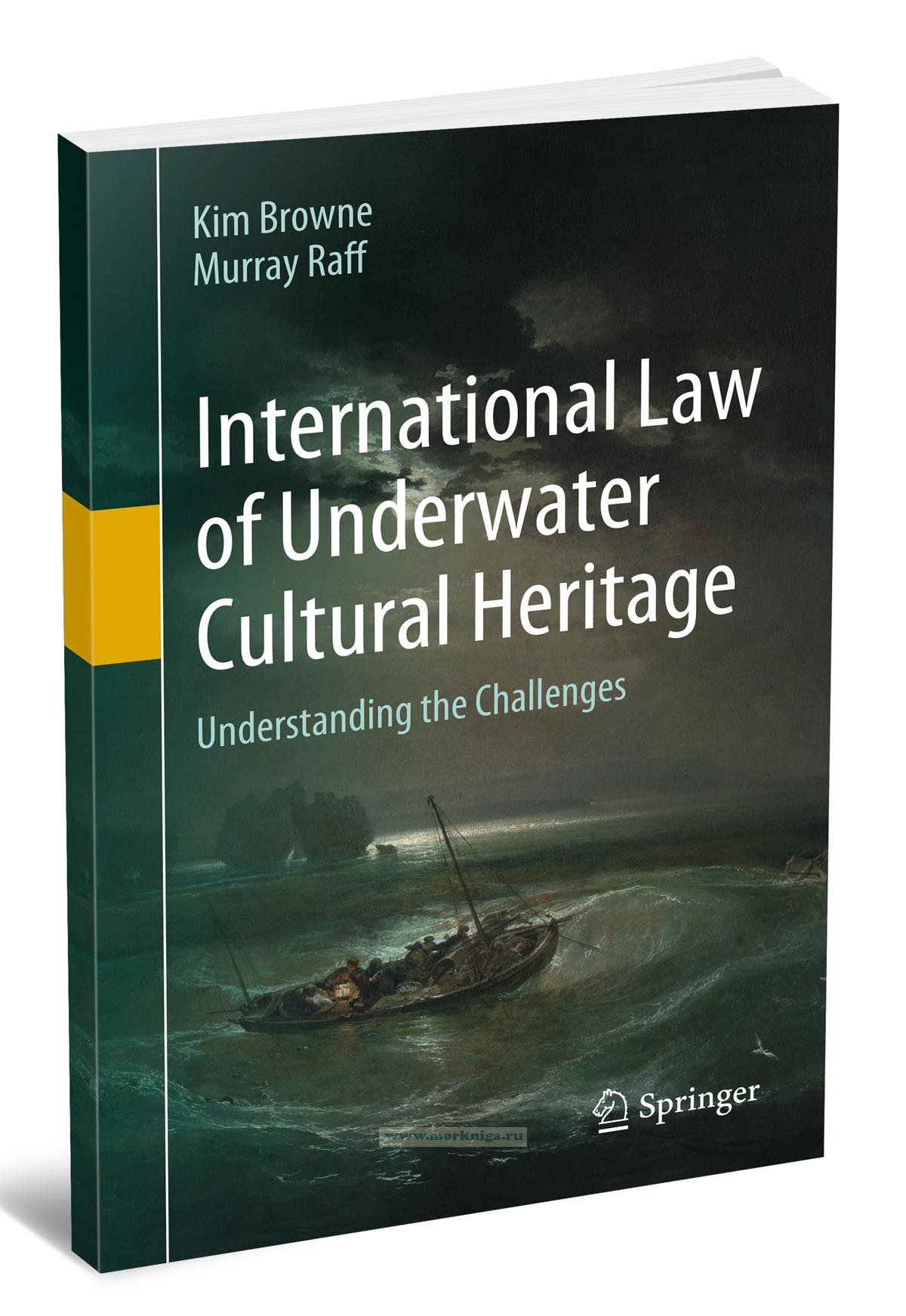
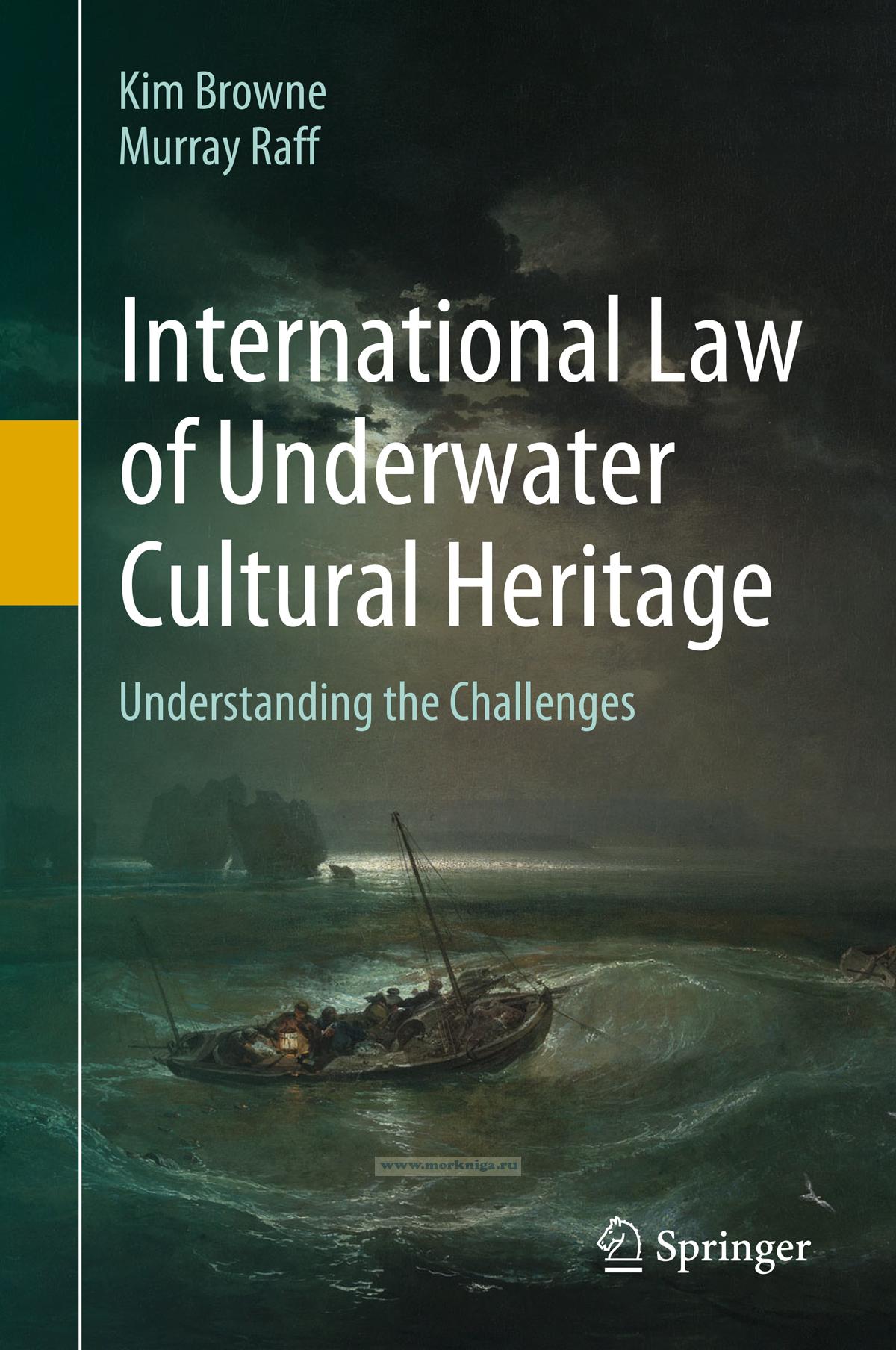
International Law of Underwater Cultural Heritage/Международное право в области подводного культурного наследия
Артикул: 00-01106228
в желания В наличии
Автор: Kim Browne, Murray Raff
Издательство: Springer (все книги издательства)
Место издания: Switzerland
ISBN: 978-3-031-10567-8
Год: 2022
Переплет: Мягкая обложка
Страниц: 726
Вес: 1833 г
Издание на английском языке
This book is dedicated to the protection of underwater cultural heritage and its legal, ethical and environmental aspects in the context of international law. She explores various international legal regimes, including the UNESCO Convention of 2001, and raises issues related to historically significant warship wrecks that pose a threat to the marine environment. The book discusses challenges such as climate change, illegal sand mining and the growing attention to the resources of the Indo-Pacific region, which highlights the need to rethink the definition of underwater cultural heritage.
Contents
1 Introduction
1.1 Introduction
1.2 Why Protect World War II Wrecks?
1.3 Chuuk Lagoon—An Overview
1.4 The Legal Framework of Ocean Governance
1.5 Major Themes of This Work
1.6 Structure of This Work
References
2 Cultural Heritage—Competing Conceptions and Significance
2.1 Introduction
2.2 What is Cultural Heritage?
2.3 Who Owns Cultural Heritage?
2.4 Heritage as a Public Interest in Private Property
2.5 Cultural Nationalism and Internationalism
2.6 Conclusion
References
3 The Emergence of the International Protection of Cultural Heritage
3.1 Introduction
3.2 Abuse of Cultural Heritage
3.3 Heritage, Globalisation and International Law
3.4 Embryonic Developments in the Protection of Cultural Heritage
3.5 International Developments in the Protection of Cultural Heritage
3.6 Protection of Cultural Heritage During Warfare and Conflict
3.7 Protection of Cultural Heritage in Times of Peace
3.8 International Judicial Protection of Cultural Heritage
3.9 Conclusion
References
4 The Physical Environment of Underwater Cultural Heritage
4.1 Introduction
4.2 Why We Need Ocean Governance Regulation: Opening Pandora’s Box
4.3 The Quest for Treasure Beneath the Seven Seas
4.4 Oceanic Histories That Focus on the Unique Underwater Cultural Heritage Found Beneath the Water Bodies of the World
4.5 Nan Madol—The ‘Venice of the Pacific
4.6 Submerged World War II Cultural Heritage in the Pacific Ocean
4.7 What Is Underwater Cultural Heritage? A Legal Perspective
4.8 Conclusion
References
5 Underwater Cultural Heritage: The Legal Environment
5.1 Introduction
5.2 The Intricacies of International Law and the Interface Between Private International Law and Public International Law
5.3 What Is Law?
5.4 International Law and Legal Order in the World’s Ocean’s in Antiquity
5.5 Theories of Law: Natural Law and Positivist Law
5.6 International Law in the Grotian Age and the Battle of the Books
5.7 The Treaty of Westphalia
5.8 The United Nations Convention on the Law of the Sea
5.9 Development of the Law of the Sea—Post World War II
5.10 UNCLOS III
5.11 UNCLOS III as a Legal Regime
5.12 Zonation of the Seabed and Underwater Cultural Heritage
5.13 Underwater Cultural Heritage Located in the Area
5.14 UNCLOS III Structure and Definitions
5.15 Is UNCLOS III Outmoded? The Case of Genetic- Bioprospecting
5.16 Interaction of UNCLOS III and the 2001 CPUCH
5.17 Towards Regulation of Treasure Hunting in the Seven Seas: The 2001 Convention on the Protection of the Underwater Cultural Heritage
5.18 The History and Development of the 2001 CPUCH
5.19 What Is Underwater Cultural Heritage Within the Context of International Law?
5.20 What Is the Purpose of the 2001 CPUCH?
5.21 Structure and Content of the 2001 CPUCH
5.23 Conclusion
References
6 The Private Law Perspective—Rights of Salvage and Innovation in the United States Admiralty Courts.
6.1 Introduction
6.2 What is Maritime Law?
6.3 A History of Commerce and Maritime Law: Ancient Sea Courts and Medieval Tribunals
6.4 Maritime Courts and Tribunals of the Ancient and Medieval Worlds—The Commercial Law Hubs
6.5 Sources of Maritime Law
6.6 Medieval Commercial Codes, Sea Tribunals and Courts
6.7 England and Maritime Law
6.8 The United States Courts of Admiralty
6.9 Jurisdiction of the United States Admiralty Court Over Historic Wrecks
6.10 What is Salvage Law?
6.11 The Protection of Our Maritime Heritage: Historic Shipwreck Salvage Precedents
6.12 The 1989 IMO Salvage Convention
6.13 The Law of Finds
6.14 The United States Admiralty Courts in the Twenty-First Century
6.15 Admiralty Judges as Guardians of Our Underwater Cultural Heritage
6.16 Chapter Conclusion
References
7 The Convention on the Protection of the Underwater Cultural Heritage—Achievements and Present Challenges
7.1 Introduction
7.2 Challenges of in Situ Preservation of Toxic World War II Wrecks
7.3 Does the Temporal Definition of Underwater Cultural Heritage Present a Challenge to the in Situ Preservation of World War II Wrecks?
7.4 Parties to the 2001 CPUCH
7.5 Benefits Available to States from Ratifying the 2001 CPUCH
7.6 Why States Have not Joined the 2001 CPUCH
7.7 Resolution of the Institut de Droit Internationa! on the Legal Regime of Wrecks of Warships and Other State Vessels in International Law (2015)
7.8 Toxic Underwater Cultural Heritage—An Overview
7.9 Pacific Wrecks, State Cooperation and State Liability
7.10 In Situ Conservation of Military Wrecks—Toxic Underwater Cultural Heritage
7.11 Options for Revision of the 2001 CPUCH
7.12 Problems and Conflicts
References
8 The Protection of Underwater Cultural Heritage—Future Challenges
8.1 Introduction
8.2 The Protection of Underwater Cultural Heritage in Disputed W’aters—The South China Sea
8.3 Metal Pirates of the Java and South China Seas
8.4 Extractive Industries and Underwater Cultural Heritage: Coastal Aggregate Mining and Deep Seabed Mining
8.5 Sand Mining: Sand Mafias and the War for Natural Resources
8.6 Climate Change. Sea Level Rise and Erosion
8.7 Chapter Conclusion
References
9 Conclusion
9.1 Introduction
9.2 The Pacific Ocean and the 2001 Underwater Heritage Convention (CPUCH)
9.3 The 2001 Underwater Cultural Heritage Convention in Context of the Broader Ocean Policy of International Law
9.4 The Issue of Salvage and the Value of US Jurisprudence
9.5 Recommendations and Conclusion
References
Index
Отзывы покупателей (0)
У этого товара пока нет отзывов. Поделитесь впечатлением первым.