

Каталог▲▼
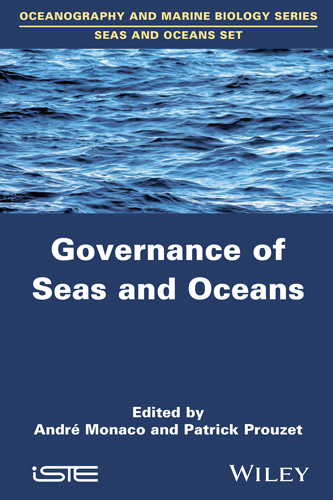
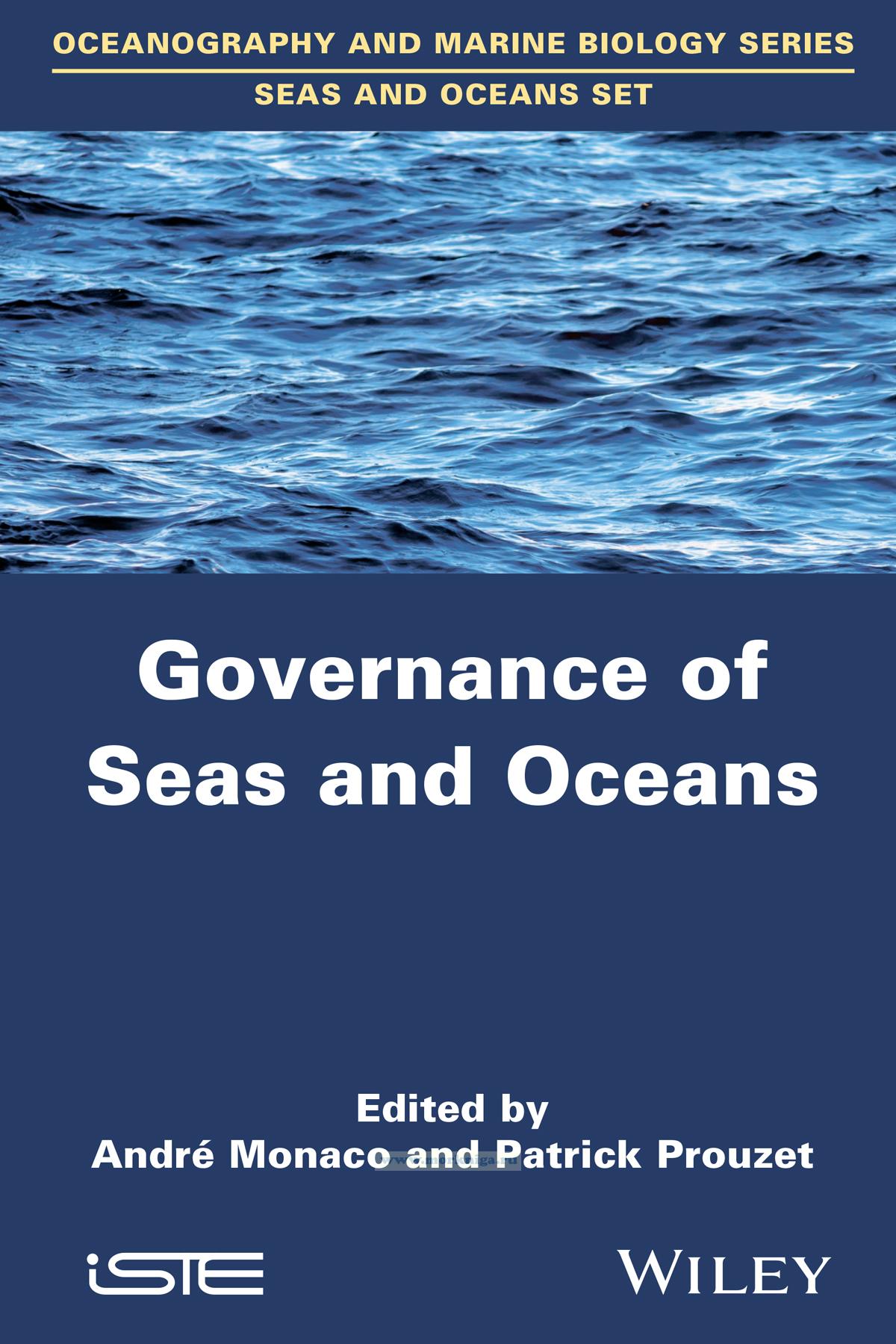
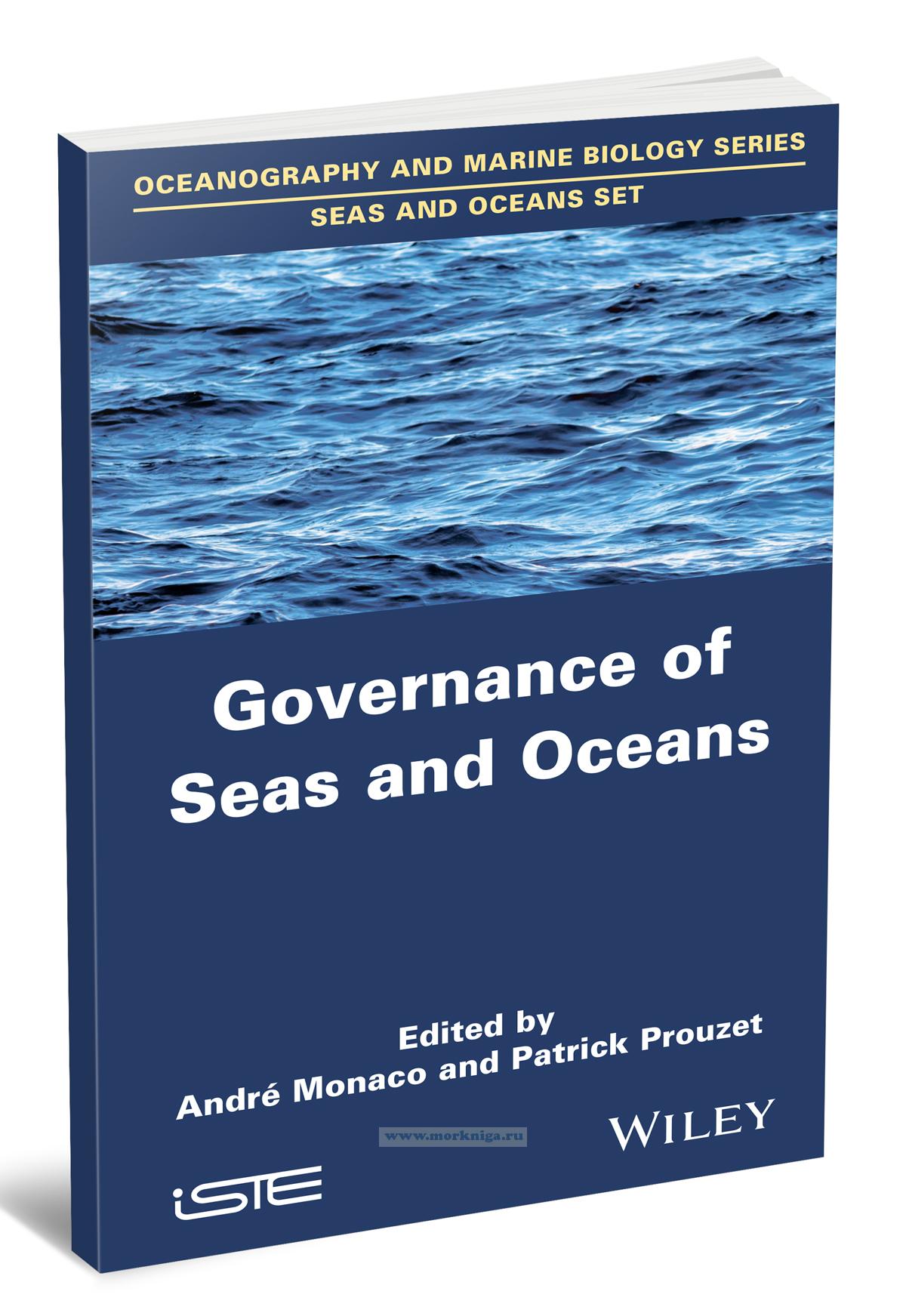
Governance of Seas and Oceans/Управление морями и океанами

в избранное В наличии
Артикул: 00-01106154
Автор: Andre Monaco, Patrick Prouzet
Издательство: John Wiley & Sons Ltd (все книги издательства)
Место издания: USA
ISBN: 978-1-84821-780-5
Год: 2015
Переплет: Мягкая обложка
Страниц: 320
Вес: 798 г
Издание на английском языке
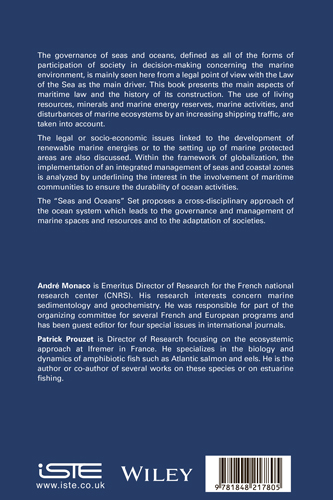
The book examines complex issues of marine resource management, environmental protection, and the sustainable use of oceanic spaces. She emphasizes the importance of international law, cooperation between countries and the participation of various stakeholders in decision-making. The focus is on the need to adapt to climate change and monitor marine ecosystems to prevent their degradation. The book combines scientific research and practical approaches to propose effective strategies for the sustainable management of the oceans and the protection of their wealth for future generations.
Contents
Foreword
Chapter 1. Transformations in International Law of the Sea: Governance of the “Space” or “Resources”?
Florence Galletti
1.1. Introductory remarks
1.2. The importance of marine spaces in International Law of the sea
1.2.1. Definitions of International Law of the sea: a keystone of the governance of maritime spaces
1.2.2. Marine spaces considered by law: the interest of qualifying maritime zones
1.2.3. Development of legal control over certain marine spaces: a phenomenon both ancient and renewed
1.2.4. Maritime zones near and far from coasts: a distinction established between systems of sovereignty and those of jurisdiction
1.3. Place accorded to resources located at sea in the International Law of the Sea
1.3.1. Separate treatment for non-living marine resources and fished living marine resources
1.3.2. Biological resources at the heart of the overlap between environmental law, biological diversity law, the Law of the Sea and fishing law
1.3.3. Indirect treatment of resources through ecosystem quality conservation policies
1.4. Conclusion
1.5. Bibliography
Chapter 2. The Governance of the International Shipping Traffic by Maritime Law
Cecile De Cet Bertin and Arnaud Montas
2.1. Introduction
2.1.1. Meaning and definition of maritime law
2.1.2. Fundamental principles of maritime law
2.1.3. General sources of maritime law
2.2. Legal instruments of governance: institutions and sources of maritime transport law
2.2.1. Development of international regulations
2.2.2. European maritime transport regulations
2.3. Legal results of governance: maritime contracts
2.3.1. Maritime chartering contracts.
2.3.2. Maritime transport contracts
2.3.3. Maritime insurance
2.4. Bibliography
Chapter 3. Marine Pollution: Introduction to International Law on Pollution Caused by Ships
Veronique Labrot
3.1. Introduction
3.2. Preventing pollution by ships
3.2.1. Spatial preconditions: acknowledgement of protected maritime zones
3.2.2. Safe routes: the organization of maritime traffic in question
3.2.3. Clean routes: design and management of the ships in question
3.3. Intervention in the event of accidents or risk of accidents
3.3.1. Preparedness via the OPRC convention
3.3.2. From the 1969 IMO convention on intervention to article 221 of UNCLOS
3.4. Reparations in the event of damage caused by pollution
3.4.1. The prioritizing of reparations for pollution by hydrocarbons.
3.4.2. The IMO Civil Liability Convention and FIPOL 1992
3.5. Bibliography
Chapter 4. Management and Sustainable Exploitation of Marine Living Resources
Annie Cudennec and Olivier Curtil
4.1. European policy on the sustainable exploitation of marine living resources
4.1.1. The European Union and the sustainable exploitation of marine living resources: a long and complicated history
4.1.2. Fundamental principles of common fisheries policy
4.1.3. Definition of an economic framework for sustainable exploitation of marine biological resources
4.2. French policy on sustainable exploitation of marine living resources
4.2.1. Fundamental principles of French policy
4.2.2. Instilments of French fishery policy
4.3. Bibliography
Chapter 5. Marine Renewable Energies: Main Legal Issues
Nicolas Boillet and Gaelle Gueguen-Hallouet
5.1. Introduction
5.2. French policy for the development of marine renewable energies: foundations and instruments
5.2.1. The international and European foundations for the development of renewable energies
5.2.2. The planned and scheduled development of MRE
5.3. The gradual development of a legal framework for ocean renewable energy
5.3.1. Access to the marine renewable energies market
5.3.2. A legal framework that leads to many uncertainties
5.4. Conclusion
5.5. Bibliography
Chapter 6. Socio-economic Evaluation of Marine Protected Areas
Frederique Alban, Jean Boncoeur and Jean-Baptiste Marre
6.1. Introduction
6.2. Methods.
6.2.1. Project analysis methods
6.2.2. Methods for measuring non-market values
6.2.3. Bioeconomic models
6.3. Difficulties and adaptations
6.3.1. Difficulties in measuring non-market values.
6.3.2. Difficulties in implementing operational bioeconomic models of MPAs
6.4. Use of socio-economic evaluation of MPAs in practice
6.5. Bibliography
Chapter 7. Integrated Management of Seas and coastal areas in the Age of Globalization.
Yves Henocque and Bernard Kalaora
7.1. Introduction
7.2. The context for integrated management practices.
7.2.1. From coastal heritage to the planet ocean
7.2.2. A forward-thinking international impetus
7.2.3. How do coastal and maritime areas lend themselves to the globalization game?
7.2.4. The third forgotten path: common pool resources
7.3. The ecosystem approach: dynamic interactions between societies and ecosystems
7.4. Multi-dimensionality and expertise
7.5. Linkage of scales and concepts
7.6. Where do we stand on integrated management of the sea and coastal areas?
7.6.1. Climate change, destitution and the increased vulnerability of ecosystems
7.6.2. Persistent poverty and inequality in many parts of the world
7.6.3. Increasing threat of insecurity.
7.6.4. Impacts of the global financial crisis
7.6.5. Unfair trade of marine products, the absence of capabilities and effective strucrnres for the redistribution of benefits
7.7. Toward new challenges and new forms of governance
7.7.1. National strategies for integrated management of the sea and coastal areas
7.7.2. Implementation of the ecosystem approach for integrated management of areas beyond national jurisdictions
7.7.3. Hurdles to overcome
7.7.4. Size and limits of global expertise
7.8. Conclusion
7.9. Appendix: some proposals for global governance of seas and coastal areas
7.9.1. Strategic requirements at national and local levels
7.9.2. Strategic orientations at a regional level
7.9.3. Strategic operations for areas outside of national jurisdiction
7.10. Bibliography
Chapter 8. Ocean Industry Leadership and Collaboration in Sustainable Development of the Seas
Paul Holthus
8.1. Ocean industry sustainability: challenges and opportunities
8.2. Status and trends in economic use of marine space and resources
8.2.1. Shipping
8.2.2. Offshore oil and gas
8.2.3. Fisheries
8.2.4. Aquacuhure
8.2.5. Offshore wind and ocean energy
8.2.6. Marine, coastal and cruise tourism
8.3. Catalyzing international ocean business leadership and collaboration
8.4. Smart oceans-smart industries: industry leadership to build ocean knowledge
8.5. Ocean industry leadership and collaboration for a sustainable ocean future
8.6. Bibliography
List of Authors
Index
Отзывы покупателей (0)
У этого товара пока нет отзывов. Поделитесь впечатлением первым.