

Каталог▲▼
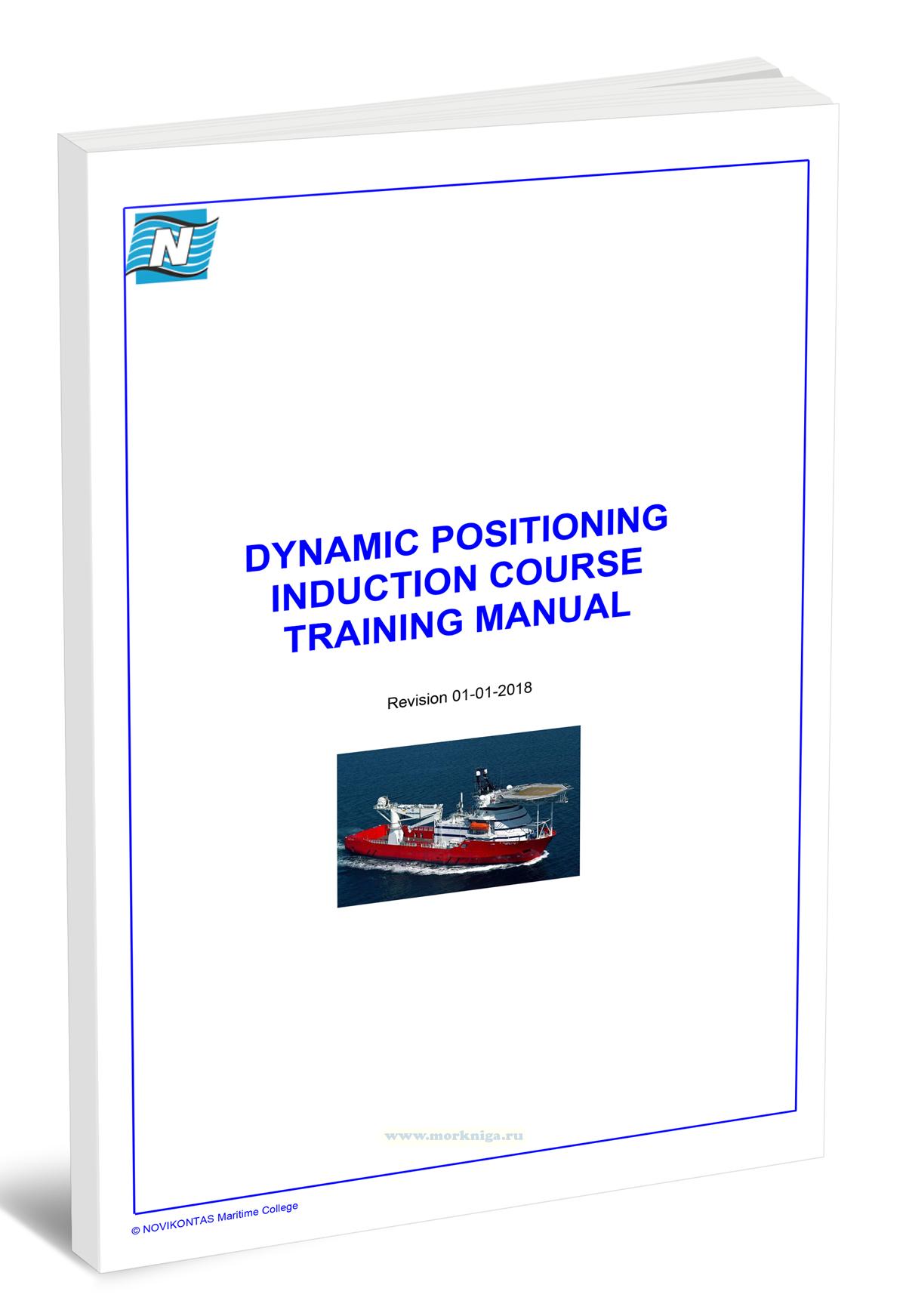
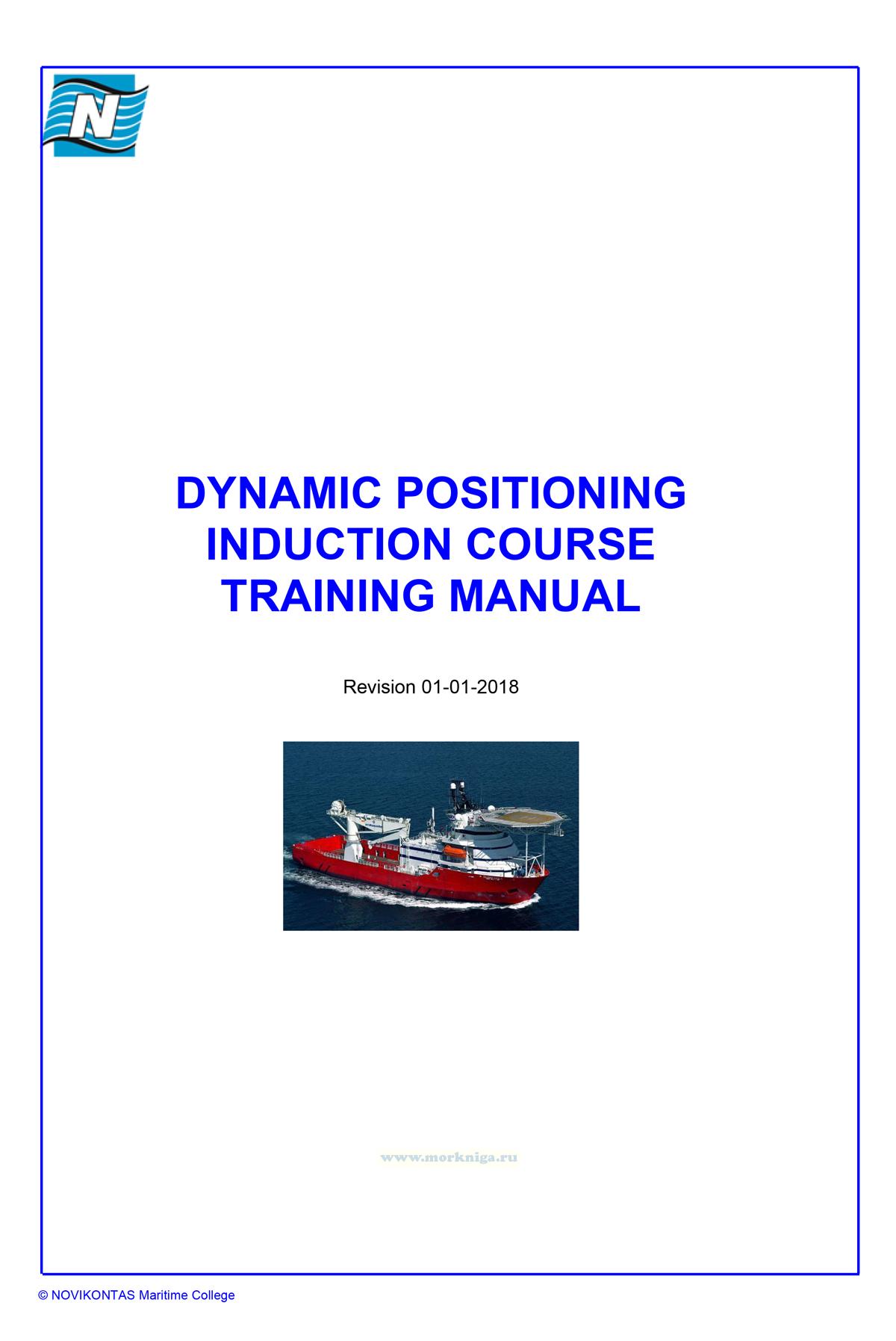
Dynamic positioning induction course training manual/Учебное пособие по вводному курсу динамического позиционирования
в избранное В наличии
Артикул: 00-01106132
Год: 2018
Переплет: Мягкая обложка
Страниц: 132
Вес: 331 г
Издание на английском языке
The book is dedicated to the dynamic positioning (DP) technology of ships, which arose in response to the needs of the rapidly developing oil and gas industry in the 1960s and 1970s. It covers the changes in global shipping since World War II, including the decline of traditional passenger transportation and the growth of cruise traffic, as well as the transition to specialized cargo ships. The book emphasizes that vessels operating in deep-sea mining require high maneuverability, which has become the basis for the development of DP technologies. Dynamic positioning technology allows vessels to accurately maintain their position on the water without using anchors, which is especially important in deep waters where traditional positioning methods may be ineffective or too expensive. The book also discusses the economic aspects of shipping, focusing on the need for profitability and optimization of operations, which makes DP technologies key to modern maritime transport.
Contents
Course aims
Contents
1 Principles of dynamic positioning
1.1 Definitions
1.2 Introduction
1.3 Motion and Forces
1.4 Coordinate System
2 Elements of dynamic positioning system
2.1 DP system composition
2.2 DP Operator
2.3 Computer system
2.4 Man machinery interface (MMI)
2.5 Power Requirements
2.6 Position reference systems
2.7 Sensors systems
2.8 Redundancy
2.9 Mathematical Modeling Process
3 Practical operation of a DP system
3.1 DP Mode
3.2 Basic DP Mode
3.3 Non-Basic DP Mode
3.4 Consequence Analysis
3.5 Centre of Rotation / Alternative Centre of Rotation
4 Position reference systems
4.1 General
4.2 Hydro-acoustic position reference (HPR) system
4.3 Artemis
4.4 Taut Wire Position Reference Systems
4.5 Differential Global Positioning System
4.6 Laser Positioning Reference Systems
5 Environment reference
5.1 Wind sensors
5.2 Reference Origin
5.3 Heading Reference (GYRO)
5.4 Vertical Reference Unit (VRU)
5.5 Functions and capabilities of a modern DP system
6 Power generation and supply and propulsion
6.1 General
6.2 Power Management System (PMS)
6.3 Automated Power Management System
6.4 Uninterruptible Power Supplies (UPS)
6.5 Propulsion system
6.6 Thrusters allocation
7 operations using DP
7.1 Geodetic systems
7.2 DP capability plot
7.3 DP Footprit Plot
7.4 Trials and Checklists
7.5 DP Operation Manual
7.6 List of DP Operational Procedures
7.7 DP Incidents
7.8 Competence
7.9 Manning
7.10 DP Operational Documentation
7.11 DP Classes
7.12 DP Operations
Отзывы покупателей (0)
У этого товара пока нет отзывов. Поделитесь впечатлением первым.