

Каталог▲▼
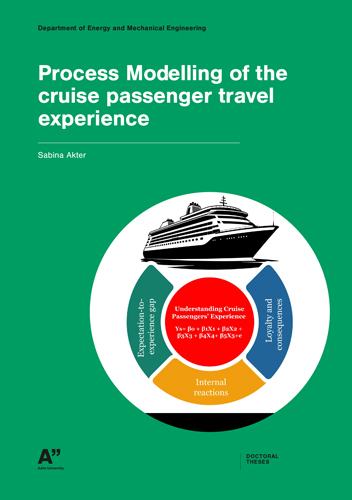
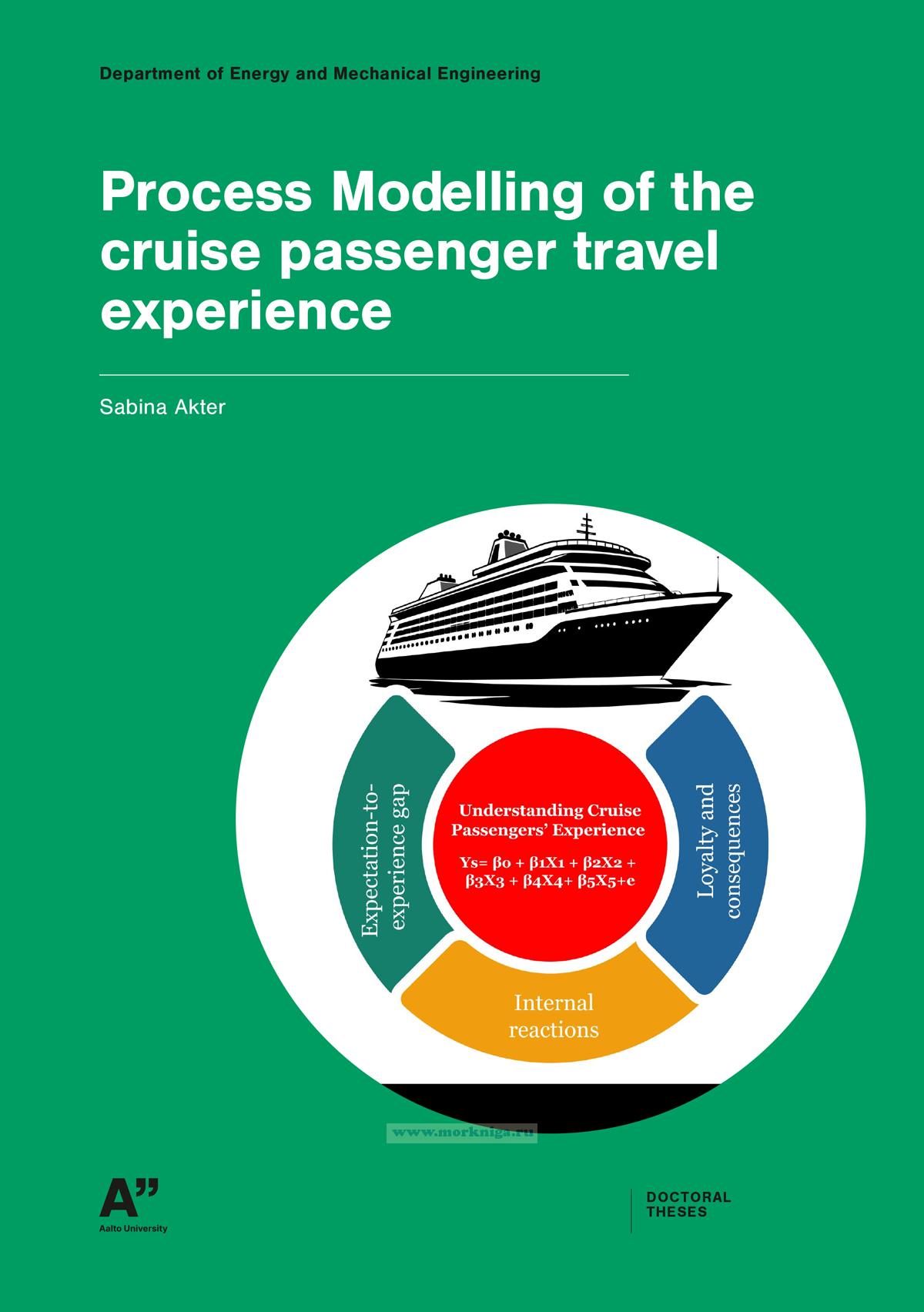
Process Modelling of the cruise passenger travel experience/Процесс моделирование круизного лайнера для удобного путешествия пассажиров

в избранное В наличии
Артикул: 00-01106131
Автор: Sabina Akter
ISBN: 978-952-64-2194-0
Год: 2024
Переплет: Мягкая обложка
Страниц: 144
Вес: 379 г
Издание на английском языке
The book explores the design and operation of cruise ships, with an emphasis on the importance of creating a positive experience for passengers. The author emphasizes that cruise ships are individually designed prototypes that must take into account various aspects such as safety, economic factors, and customer satisfaction. The paper examines the complexity of multi-criteria and multi-pronged decision-making, as well as the need for effective data analysis to optimize design and management processes. The book also focuses on the fact that successful cruise ship design requires constant updating of information and adaptation to changes in consumer preferences and technological progress. Ultimately, the goal is to help companies create more efficient and attractive cruise products that meet the expectations of a diverse audience of passengers.
Contents
1. Introduction
1.1 Background and motivation
1.1.1 Multi-criteria and -stakeholder decision making
1.1.2 Cruise ship design
1.2 State of the art, problem background and research gaps
1.3 Research questions and objectives
1.4 Limitations
2. Theoretical foundations, frameworks, and contributions of the thesis
2.1 Customer decision process
2.2 Onboard environmental factors/environmental characteristics
2.3 Customer satisfaction, the disconfirmation paradigm and customer experience and expectations
2.4 Cruisers internal responses/reactions leading towards loyalty
2.5 Customer loyalty and level of consequences
2.6 Multi-attribute Decision making process and framework
2.7 Contribution of the Thesis to the Theoretical Framework - Implementation of the Decision-Making Process
2.7.1 Sentiment analysis
2.7.2 Key performance indicators (KPIs)
2.7.3 Regression analysis
3. Research Results and Discussion
3.1 Paper 1. Understanding cruise passengers onboard experience/ customer experience stage
3.2 Paper 2. Cruisers’ onboard expectation to the experience gap
3.3 Paper 3. Cruisers’ Internal Responses and Reactions
3.4 Paper 4. Process comparison
3.5 Decision-making process, framework and methods
4. Conclusions
5. References
Отзывы покупателей (0)
У этого товара пока нет отзывов. Поделитесь впечатлением первым.