

Каталог▲▼
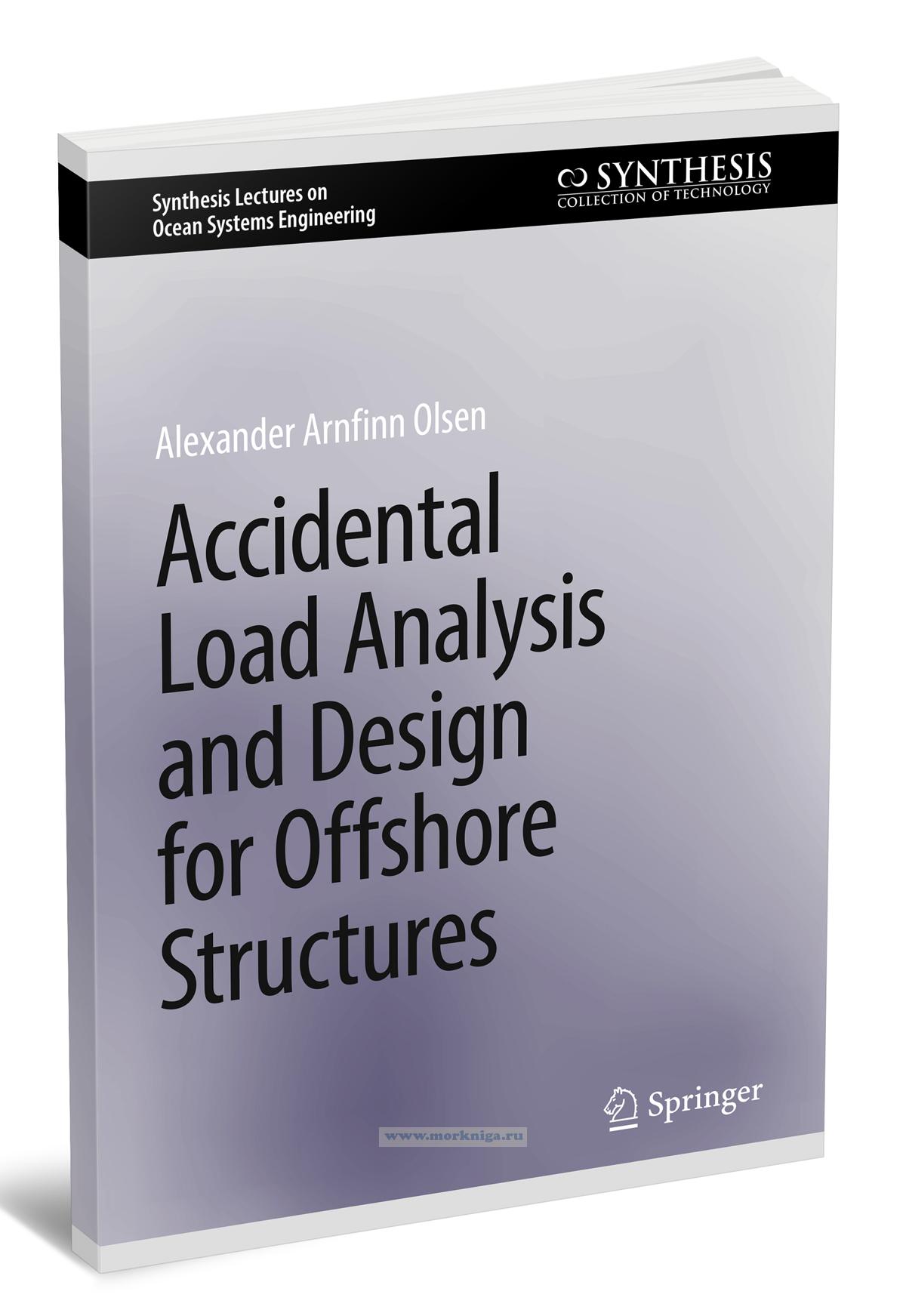
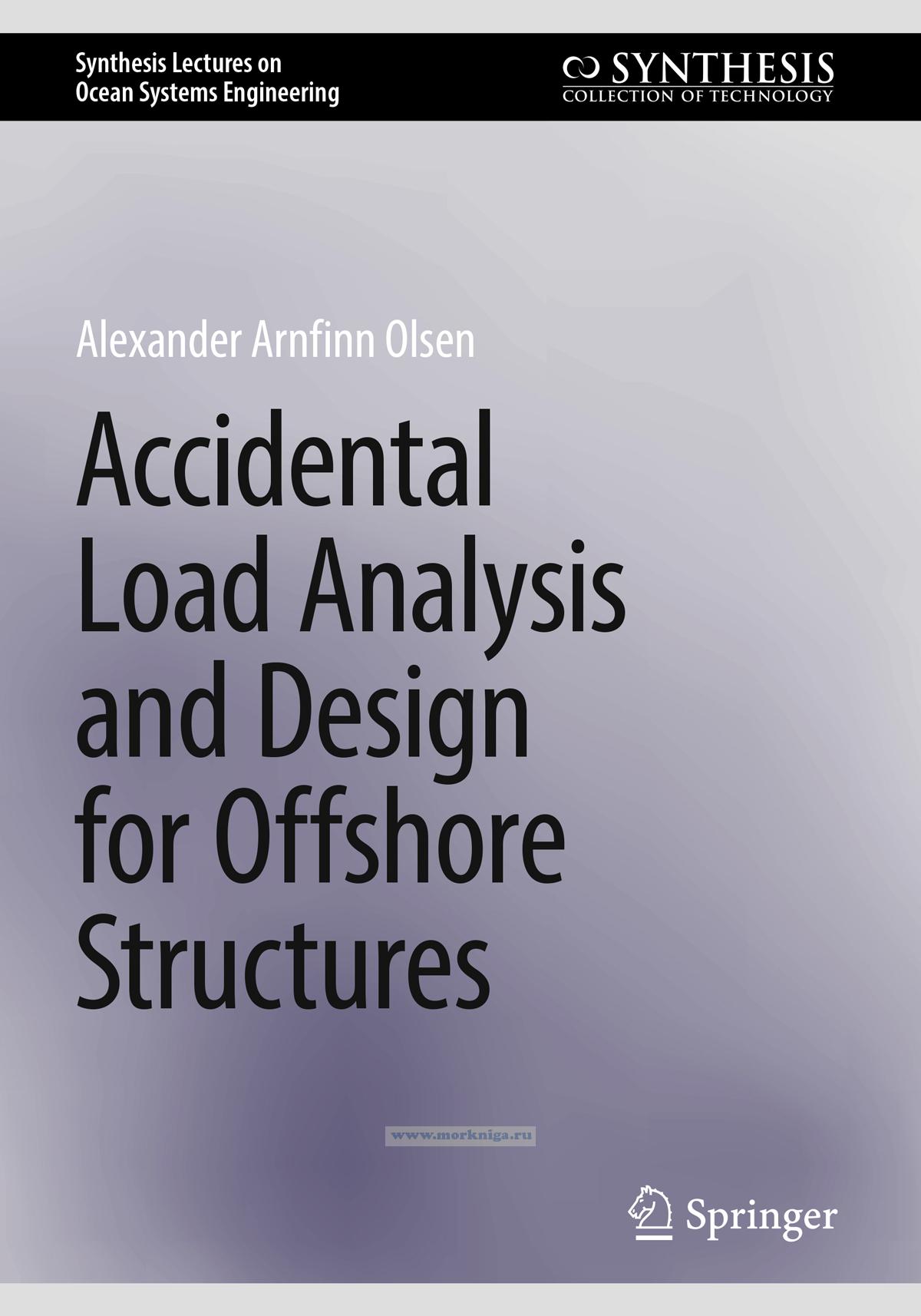
Accidental Load Analysis and Design for Offshore Structures/Анализ аварийных нагрузок и проектирование морских сооружений
в избранное В наличии
Артикул: 00-01106090
Автор: Alexander Arnfinn Olsen
Издательство: Springer (все книги издательства)
Место издания: Switzerland
ISBN: 978-3-031-74772-4
Год: 2025
Переплет: Мягкая обложка
Страниц: 82
Вес: 191 г
Издание на английском языке
The book is devoted to the process of identifying and assessing the impact of structural loads resulting from emergency events. It highlights the importance of applying risk-based assessment methods that can replace traditional prescriptive criteria based on experience and research. Various accident scenarios are considered, such as falling objects, collision with a vessel, fire and explosion. The authors propose methodologies for assessing these loads that can be adapted for other types of hazards, depending on the classification criteria for specific offshore installations. The book is aimed at improving the understanding and approach to the assessment of emergency loads in shipbuilding and marine engineering. 1 Introduction
1.1 General
1.2 Design Philosophy for Accidental Loading
2 Accidental Loading Hazard Evaluation Overview
2.1 General
2.1.1 Existing Standards for Reference
2.2 Hazard Evaluation Process
2.2.1 Accidental Hazard Risk Assessment Plan
2.2.2 Preliminary Accidental Hazard Risk Assessment
2.2.3 Detailed Accidental Hazard Risk Assessment
2.2.4 Documentation
3 Ship Collission Hazards
3.1 General
3.1.1 Existing Standards for Reference
3.2 Ship Collision Evaluation
3.2.1 Acceptance Criteria
3.2.2 Assessment Inputs
3.2.3 Ship Collision Assessment
3.2.4 Mitigation Alternatives
3.2.5 Documentation
4 Dropped Object Hazards.
4.1 General
4.1.1 Existing Standards for Reference
4.2 Dropped Object Evaluation
4.2.1 Acceptance Criteria
4.2.2 Assessment Inputs
4.2.3 Dropped Object Assessment
4.2.4 Mitigation Alternatives
4.2.5 Documentation
5 Fire Hazards
5.1 General
5.1.1 Existing Standards for Reference
5.2 Fire Evaluation
5.2.1 Acceptance Criteria
5.2.2 Fire Assessment Inputs
5.2.3 Fire Assessment Methods
5.2.4 Mitigation Alternatives
5.2.5 Documentation
6 Blast Hazards
6.1 General
6.1.1 Existing Standards for Reference
6.2 Blast Evaluation
6.2.1 Acceptance Criteria
6.2.2 Blast Assessment Inputs
6.2.3 Blast Assessment Methods
6.2.4 Mitigation Alternatives
6.2.5 Documentation
Glossary
References and Publications
Contents
Отзывы покупателей (0)
У этого товара пока нет отзывов. Поделитесь впечатлением первым.