

Каталог▲▼
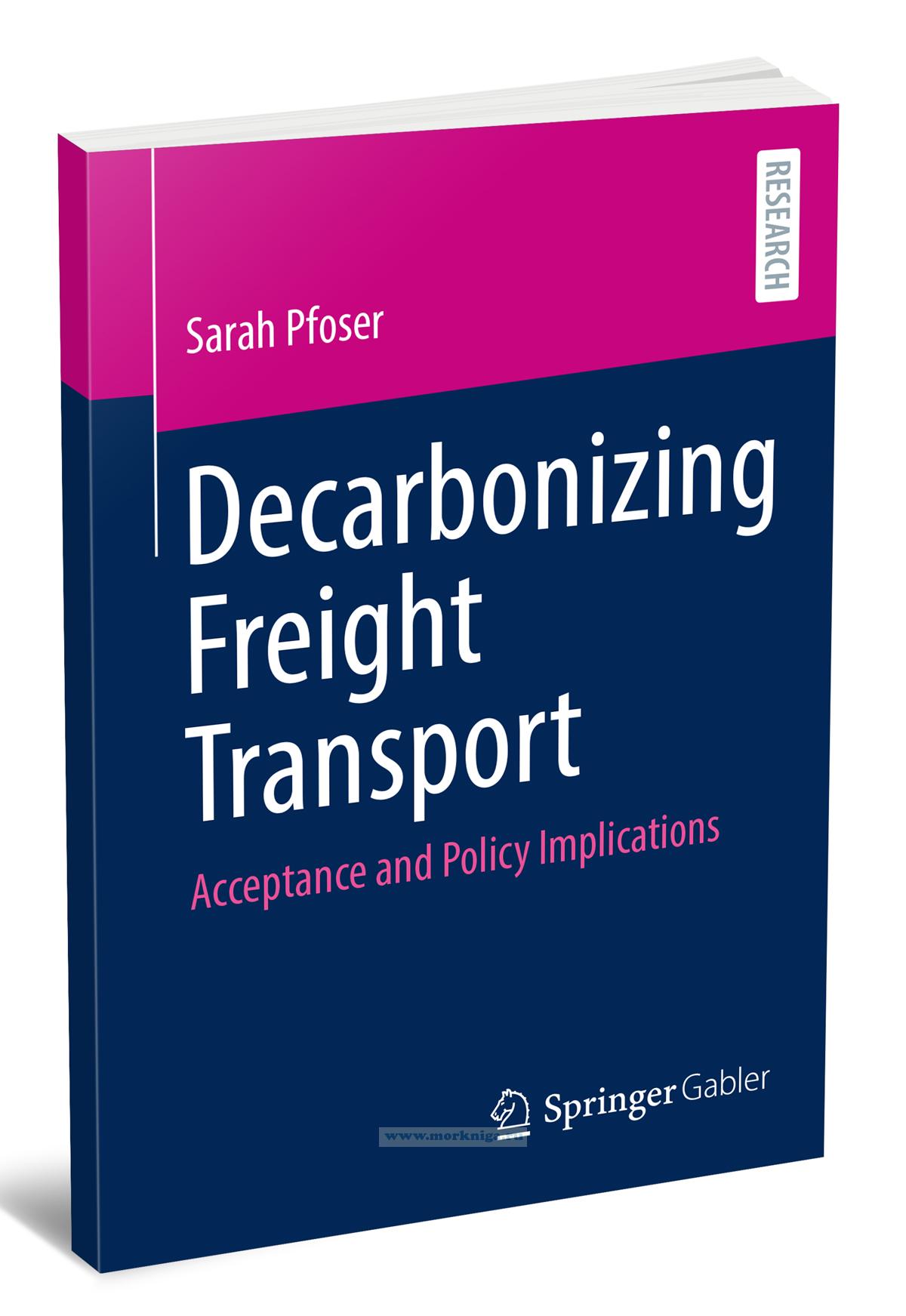
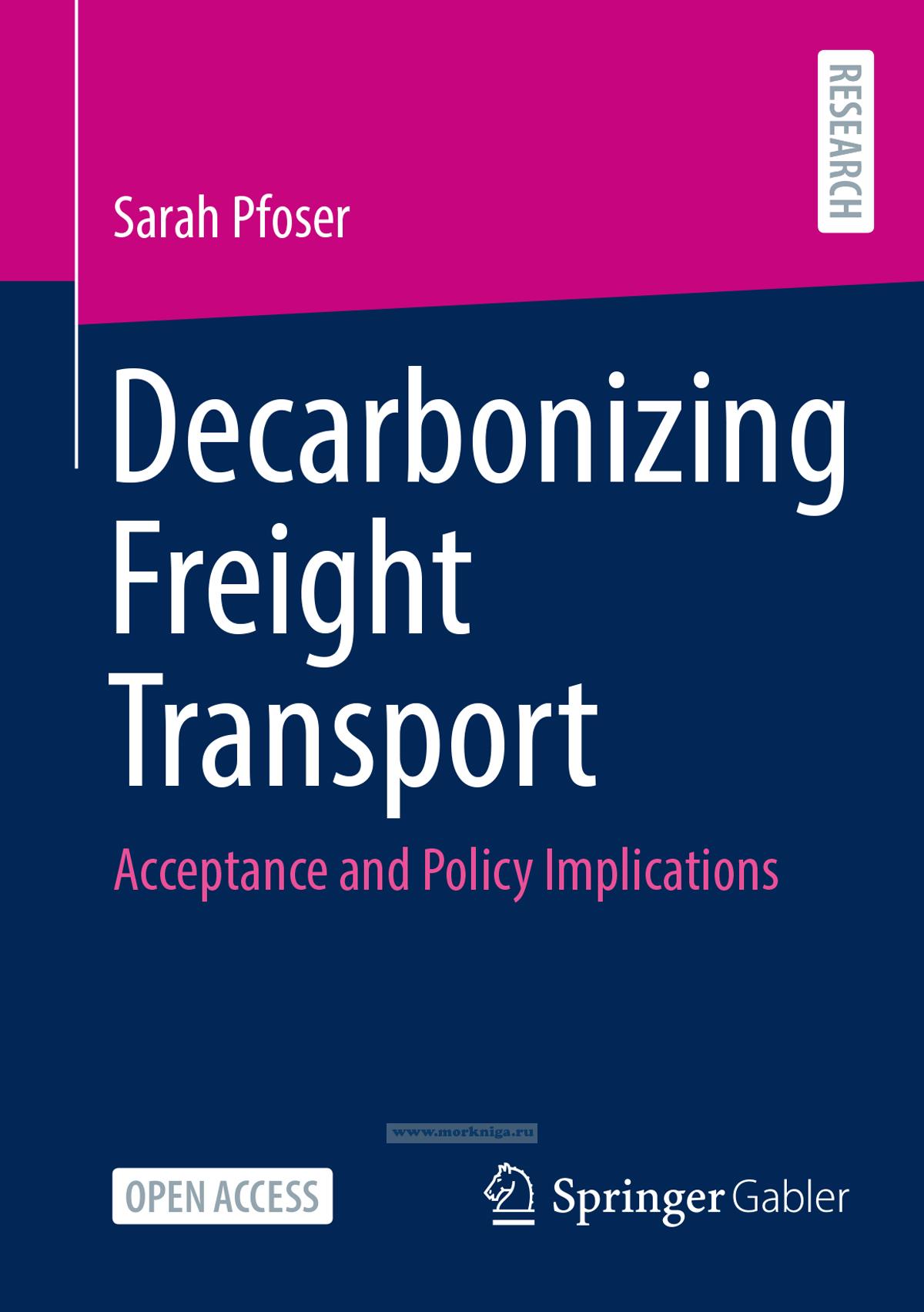
Decarbonizing Freight Transport/Декарбонизация грузового транспорта
в избранное В наличии
Артикул: 00-01105978
Автор: Sarah Pfoser
Издательство: Springer (все книги издательства)
Место издания: Switzerland
ISBN: 978-3-658-37102-9
Год: 2022
Переплет: Мягкая обложка
Страниц: 142
Вес: 190 г
Издание на английском языке
The book is devoted to the study of sustainable freight transport and its importance for the environment and the economy. The author shares his many years of experience in this field, starting in 2013, and describes various decarbonization strategies such as Physical Internet, multimodality, and the use of liquefied natural gas (LNG). The main purpose of the work is to identify common patterns in the perception of these strategies by logistics companies and to develop recommendations for policy makers based on the real needs of transport users. The book also highlights the importance of cooperation with the Austrian authorities and successful examples such as the construction of the first LNG station in Austria and the transition to multimodal transportation. The author hopes that the work will inspire other professionals and practitioners to implement sustainable practices in freight transport, emphasizing the need to take care of the environment.
Contents
1 Introduction
1.1 Motivation and Background
1.2 Research Gap and Objectives
1.3 Structure and Research Questions
1.4 Outline
2 Conceptual Background
2.1 Definition of the Term Acceptance
2.1.1 Stages of Acceptance
2.1.2 Further Differentiation of Acceptance
2.1.3 Defining Acceptance in Context of Sustainable Freight Transport
2.2 Definition and Classification of Policy Measures
2.2.1 Regulation (Sticks)
2.2.2 Economic Incentives (Carrots)
2.2.3 Information (Sermons)
3 Research Design
3.1 Methodology and Data Collection
3.2 Theoretical Perspectives
4 Strategies for Sustainable Freight Transport
4.1 Avoid-Shift-Improve (ASI) Framework
4.2 Avoid Transport—PI Collaboration & Bundling
4.3 Shift Transport—Multimodality
4.4 Improve Transport—LNG as an Alternative Fuel
4.5 Comparison of the ASI Pillars
5 The Acceptance of Sustainable Freight Transport
5.1 Theoretical Background on Behavioral Intention and Technology Acceptance
5.1.1 Theory of Reasoned Action
5.1.2 Theory of Planned Behavior
5.1.3 Technology Acceptance Model
5.2 Determinants of Sustainable Freight Transport Acceptance
5.2.1 Overview / Comparison of Determinants
5.2.2 Profitability
5.2.3 Customer Demand
5.2.4 Availability of Infrastructure
5.2.5 Organizational Efforts
5.2.6 Legal Framework
6 Policy Measures to Promote Sustainable Freight Transport
6.1 Theoretical Background on Organizational Management
6.1.1 Organizational Obligations
6.1.2 Organizational Capabilities
6.1.3 Organizational Functioning
6.2 Market Failures in Sustainable Freight Transport
6.2.1 Tragedy of the Commons
6.2.2 Existence of Externalities
6.2.3 Information Failure
6.2.4 Free-rider Behavior
6.3 Policy Measures to Promote Sustainable Freight Transport
6.3.1 Overview / Comparison
6.3.2 Carrots for Sustainable Freight Transport
6.3.3 Means for Sustainable Freight Transport
6.3.4 Sermons for Sustainable Freight Transport
6.3.5 Theoretical Support for the Identified Policy Measures
7 Conclusion
7.1 Synthesis of Results
7.2 Responses to the Research Questions
7.3 Contributions to the Domain of Sustainable Freight Transport
7.4 Limitations, Further Research and Outlook
References
Отзывы покупателей (0)
У этого товара пока нет отзывов. Поделитесь впечатлением первым.