

Каталог▲▼
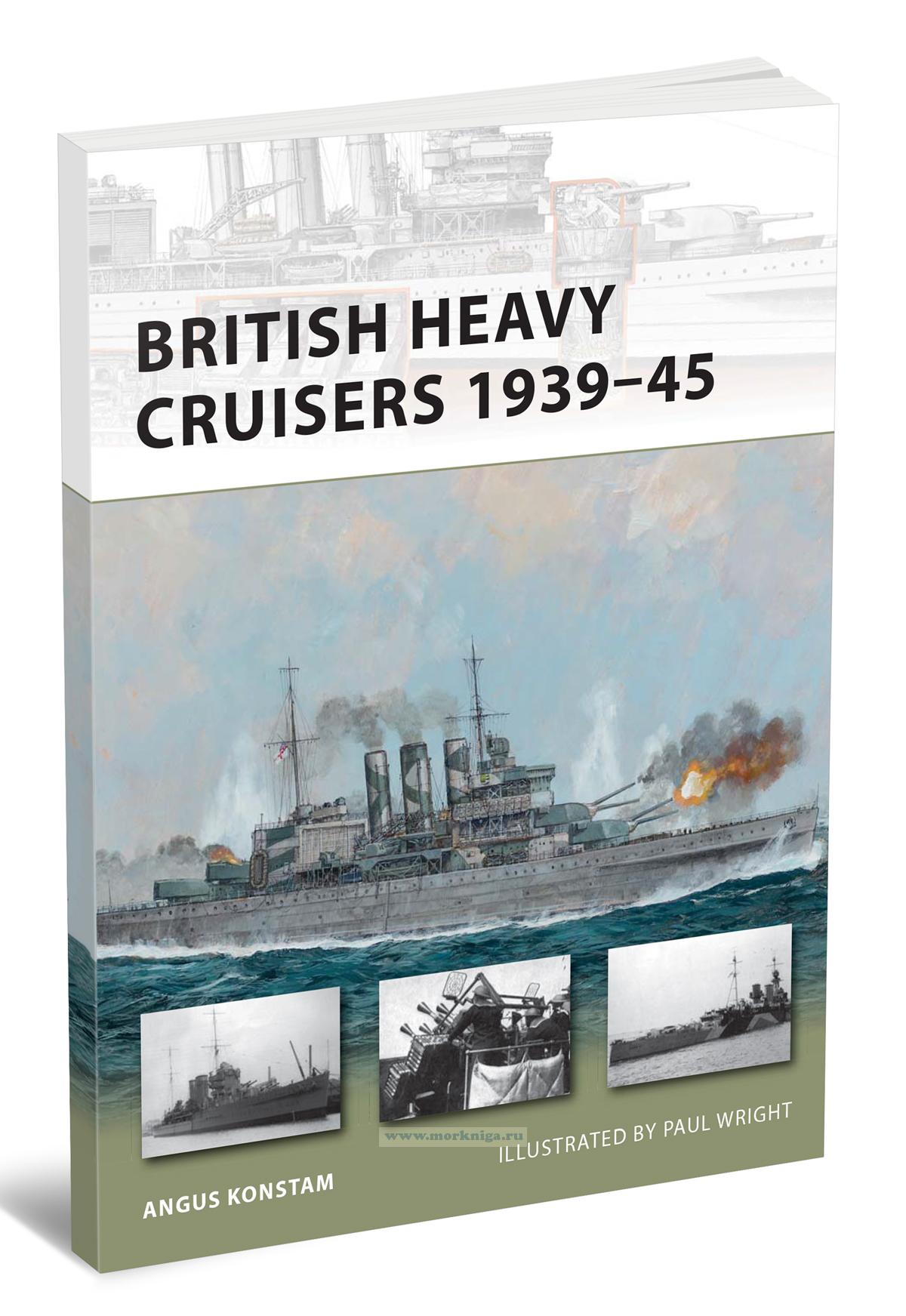
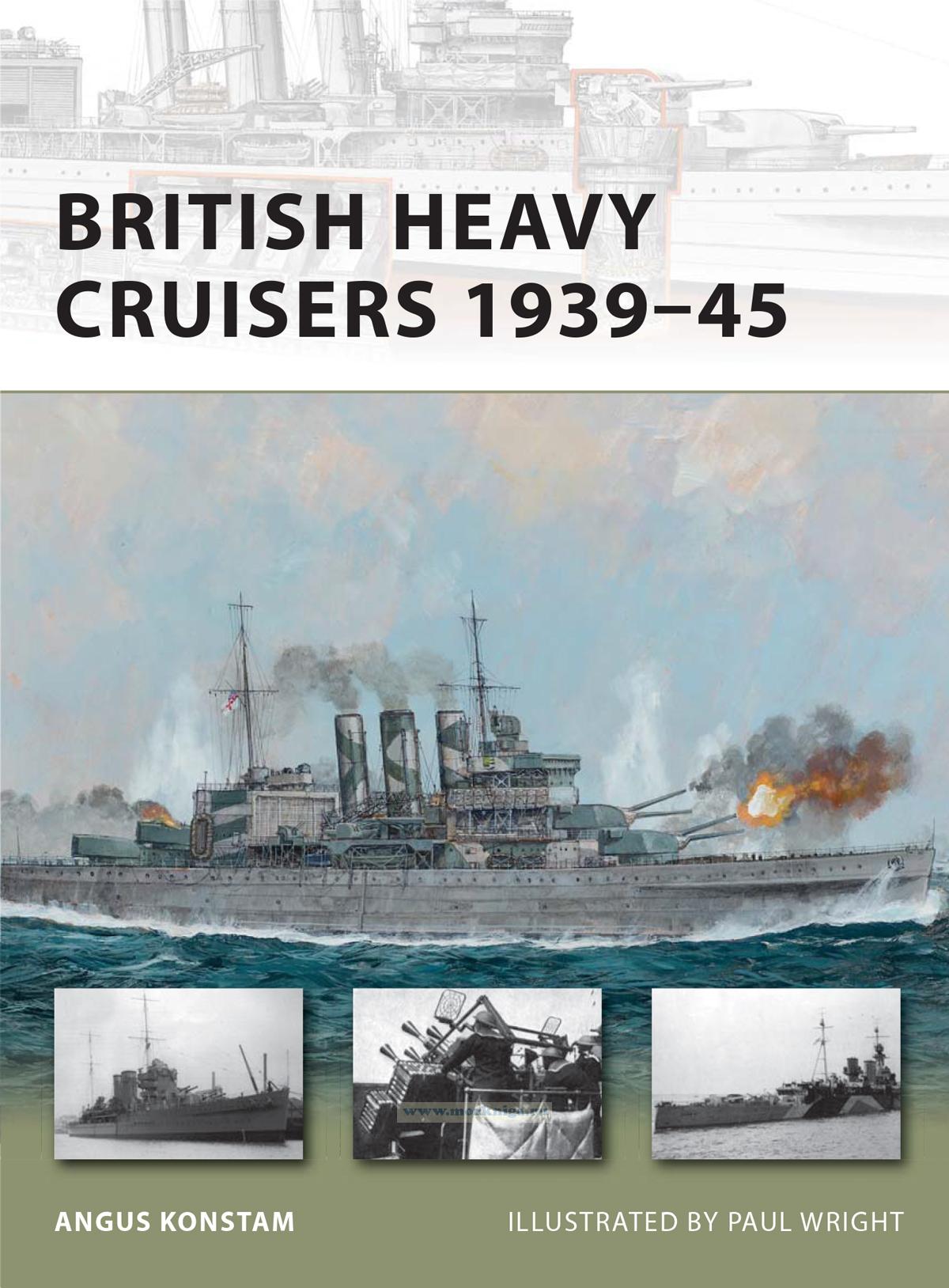
British Heavy Cruisers 1939-45/Британские тяжелые крейсера 1939-45
в избранное В наличии
Артикул: 00-01105962
Автор: А. Konstam
Издательство: Osprey Publishing (все книги издательства)
Место издания: Oxford
Серия: New Vanguard
ISBN: 978-1-84908-686-8
Год: 2012
Переплет: Мягкая обложка
Страниц: 50
Вес: 119 г
Издание на английском языке
The book tells about the development of the Royal Navy of Great Britain from the end of the First World War through the interwar years and up to the Second World War. She describes how, after the war, Britain had the largest fleet in the world, with modern ships that reflected advanced technology and experience gained during the conflict. However, during the interwar period, due to international arms reduction agreements, the construction of new ships slowed down, and Britain eventually ceded naval supremacy to the United States. The book examines in detail heavy cruisers such as the Town class, which were built to protect maritime trade and perform other important tasks. With the outbreak of World War II, the conditions of naval warfare changed, and aging cruisers proved vulnerable to threats from the air and submarines. Despite this, they continued to perform various tasks throughout the conflict, remaining useful assets of the fleet. The book highlights not only technological advances, but also the adaptability of naval forces to changing battlefield conditions. ?
Contents
Introduction
Design and development
Hawkins Class
The Washington Naval Treaty
Kent Class
London Class
Norfolk Class
Class B Cruisers
Heavy cruiser specifications, september 1939
Kent Class
York Class
London Class
Norfolk Class
Exeter Class
Service history, 1939-45
Kent Class
London Class
Norfolk Class
York Class
Exeter Class
Armament and operation
Main Armament
Anti-Aircraft Armament
Other Weaponry
Radar
Effectiveness
Further reading
Index
Отзывы покупателей (0)
У этого товара пока нет отзывов. Поделитесь впечатлением первым.