

Каталог▲▼
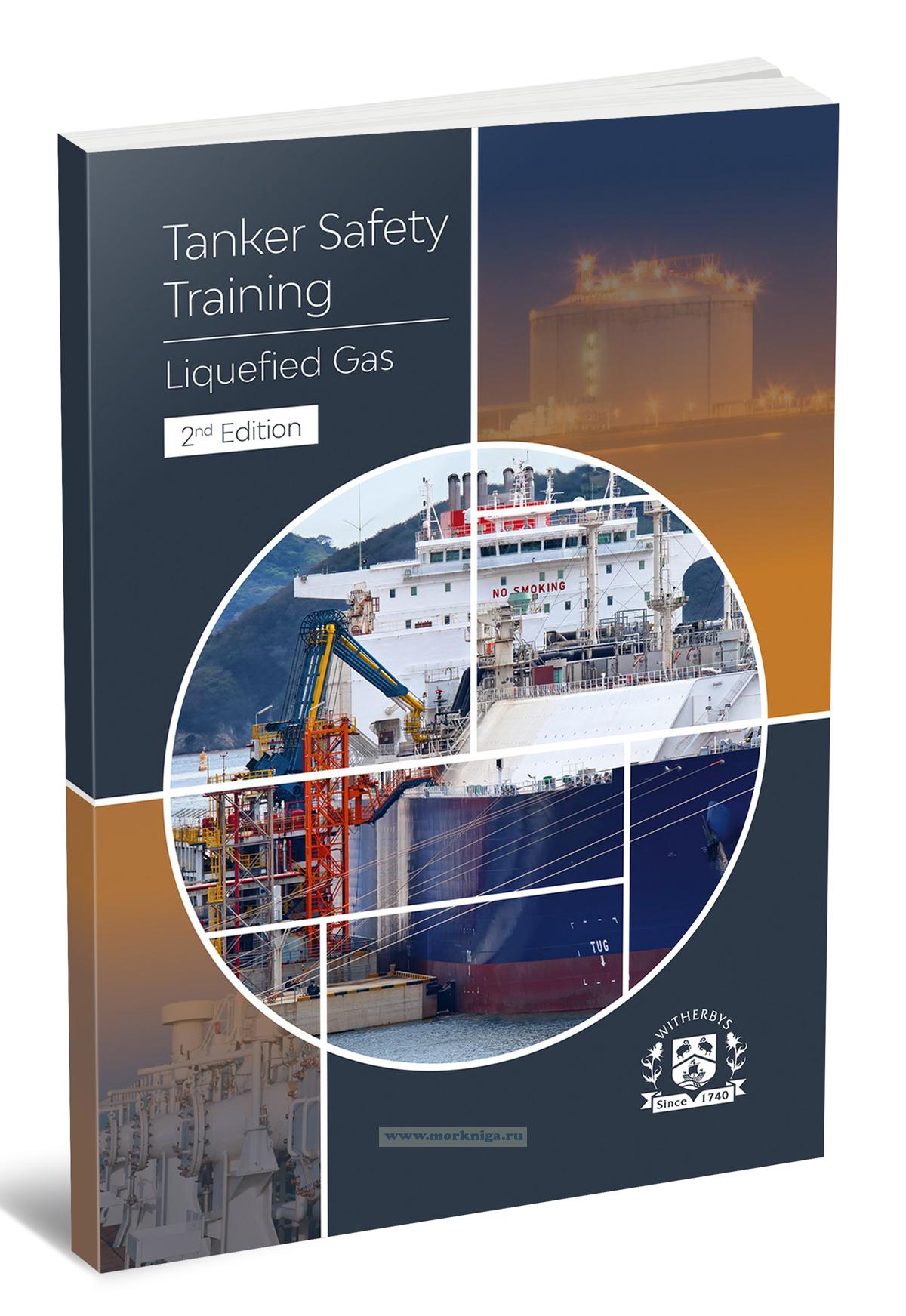
Tanker Safety Training Liquefied Gas/Обучение технике безопасности при перевозке сжиженных газов на танкерах
в избранное В наличии
Артикул: 00-01105954
Издательство: Witherby (все книги издательства)
Год: 2022
Переплет: Мягкая обложка
Страниц: 346
Вес: 866 г
Издание на английском языке
The book is dedicated to the safe transportation of liquefied gases, including LPG, LNG and chemical gases. She explains their composition, sources, physical and chemical properties, as well as the importance of understanding the structure of hydrocarbons to ensure safety during their transportation. The focus is on the rules and standards set by the International Maritime Organization (IMO).
Contents
Acknowledgements
Foreword
Introduction
1. The Gases and Their Properties
1.1 Introduction
1.2 Chemical Properties of the Gases
1.3 Physical Properties of the Gases
1.4 Gases - Properties and Rules
1.5 States of Matter
1.6 What are the Gases Carried on Liquefied Gas Carriers Used For?
2. Potential Hazards
2.1 Health Hazards
2.2 Flammability and Explosion
2.3 O2 Concentration and Inerting
2.4 Sources of Ignition
3. Ship Characteristics and Cargo Containment
3.1 Principles of Gas Carrier Design and Construction and the IGC Code
3.2 Cargo Containment Systems
3.3 Materials of Construction
3.4 Hold Spaces
3.5 Liquefied Gas Carriers - Ship Types
3.6 General Gas Carrier Layout
3.7 Surveys and Certification
4. Regulations, Codes and Guidance for Gas Carriers
4.1 The IGC Code
4.2 International Convention for the Safety of Life at Sea (SOLAS)
4.3 International Convention for the Prevention of Pollution from Ships (MARPOL)
4.4 International Convention on Standards of Training, Certification and Watchkeeping for Seafarers (STCW)
4.5 Other Conventions and Codes
4.6 Inter-Industry Organisations
4.7 Classification Societies
4.8 Ship Inspection
5. Cargo Handling Systems
5.1 Cargo Piping, Valves and Auxiliary Systems
5.2 Pressure Relief Valves (PRVs)
5.3 Cargo Pumps
5.4 LPG Reliquefaction
5.5 LNG Reliquefaction
5.6 Inert Gas Systems
5.7 Electrical Equipment in Hazardous Areas
5.8 Instrumentation
5.9 Custody Transfer Measurement System (CTMS)
6. LPG Operations
6.1 Drying
6.2 Inerting
6.3 Gassing-up
6.4 Cooldown
6.5 Loading
6.6 Loaded Passage
6.7 Discharge
6.8 Ballast Passage
6.9 Changing Grades/Gas Freeing
6.10 Aeration of Cargo Tanks
6.11 Important Points When Changing Liquefied Gas Cargoes
6.12 Tank Cleaning Table Liquefied Gas (Fully Refrigerated LPG)
6.13 Change of Cargo Table
6.14 Odourisation (Stenching)
6.15 Mixing Cargoes (Blending/Co-mingling)
7. LNG Operations
7.1 Normal Trading Cycle of an LNGC
7.2 Operations Related to Auxiliary Systems
7.3 Drying
7.4 Inerting
7.5 Gassing-up
7.6 Cooldown
7.7 Loading Operation
7.8 Laden Voyage
7.9 Discharge Operation
7.10 Ballast Voyage
7.11 Cargo Tank Operations - Warming-up, Inerting and Aeration
8. Ship to Ship (STS) Operations
8.1 Pre-arrival Stage
8.2 Approach and Mooring Stage
8.3 Cargo Transfer Stage
8.4 Post-transfer Procedure
9. Cargo Calculations
9.1 Principle
9.2 Weight or Mass
9.3 Density
9.4 Temperature
9.5 Pressure
9.6 ASTM Tables
9.7 Total Weight of Liquid Cargo
9.8 Total Weight of Vapour Cargo
9.9 Discharging Calculations
9.10 Cargo Calculation Form
9.11 Vessel Experience Factors
10. Terminal Operations
10.1 The Ship/Shore Interface
10.2 Communications
10.3 Pre-arrival
10.4 General Precautions While the Ship is at Berth
10.5 Cargo Handling
10.6 Cargo Vapour Handling
10.7 Additional Procedures
11. Safe Practices and Safety Equipment
11.1 Tank Atmosphere Evaluation
11.2 Fixed Gas Detection
11.3 Portable and Personal Gas Detection
11.4 Entry into Enclosed Spaces
11.5 Respiratory Protection Used on Liquefied Gas Carriers
12. Emergency Procedures
12.1 The Principal Hazards
12.2 Fire Protection and Fire Extinguishing
12.3 Emergency Procedures
12.4 Emergency Plans
Annexes
Annex 1 - Bibliography
Annex 2 - Useful Formulae and Notes
Index
Отзывы покупателей (0)
У этого товара пока нет отзывов. Поделитесь впечатлением первым.