

Каталог▲▼
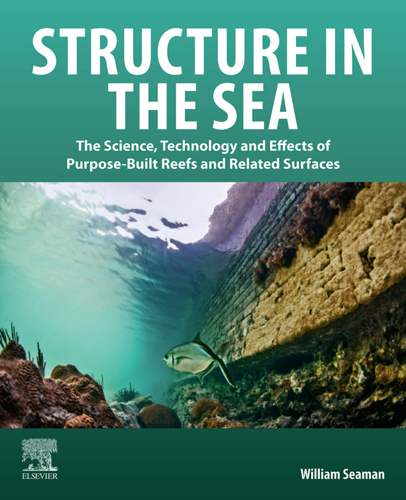
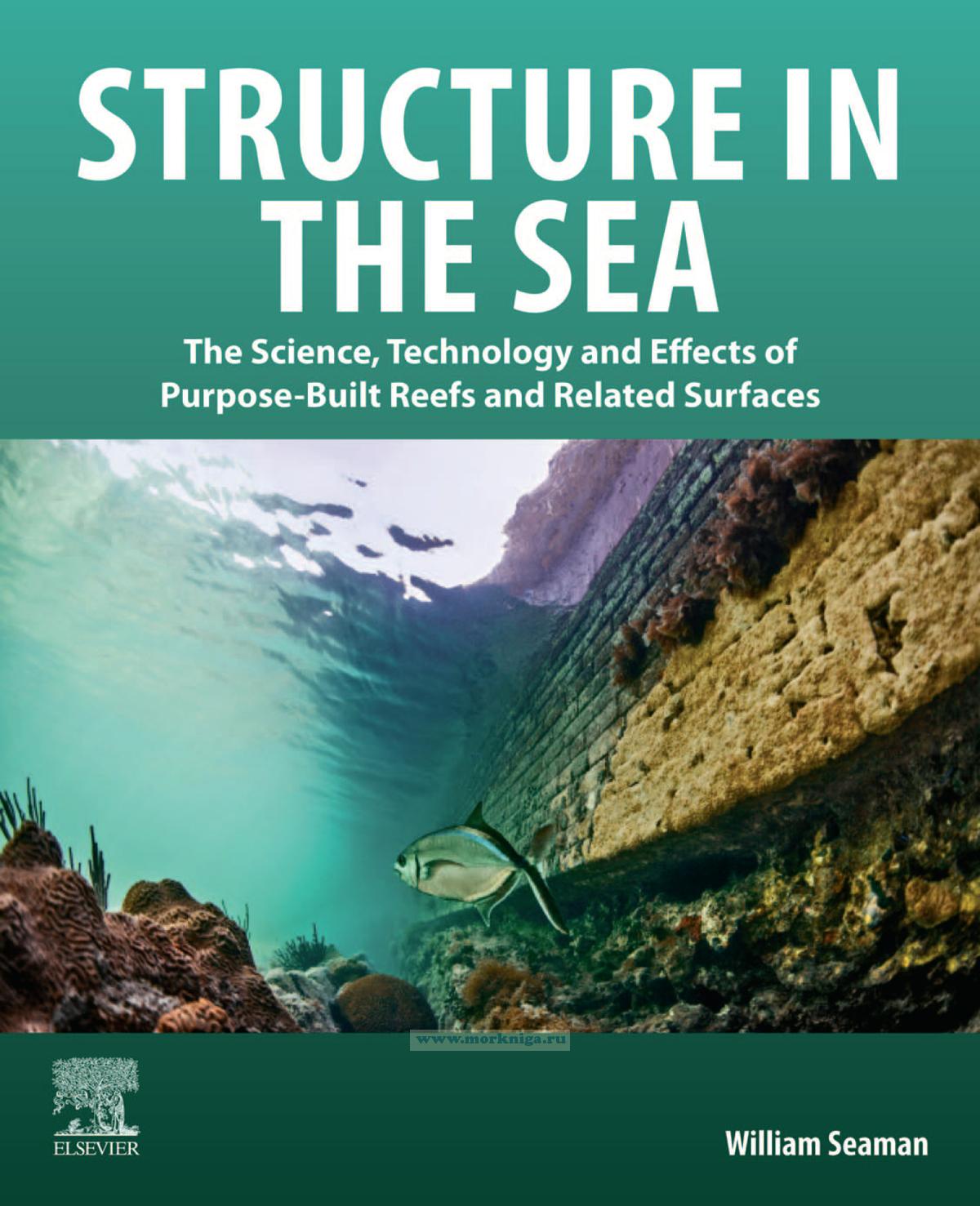
Structure in the Sea. The science, technology and effects of purpose-built reefs and related surfaces/Конструкции в море. Искусственные рифы и их влияние на окружающую среду

в избранное В наличии
Артикул: 00-01105952
Автор: William Seaman
Издательство: Elsevier Ltd (все книги издательства)
Место издания: UK
ISBN: 978-0-12-823425-9
Год: 2023
Переплет: Мягкая обложка
Страниц: 348
Вес: 868 г
Издание на английском языке
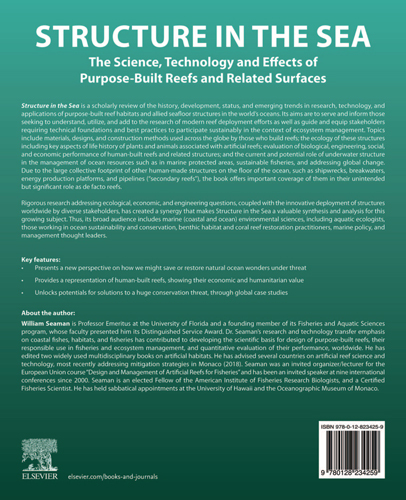
The book is dedicated to artificial reefs and other underwater structures created by man. It covers the history, design, ecology and technology of these facilities, as well as their impact on the marine ecosystem. The author analyzes how artificial reefs can contribute to the restoration of marine habitats and support the diversity of species, and also examines important questions about how these structures can be effectively used to achieve environmental and human goals. Simon shares his many years of research and experience, making the material accessible and interesting to researchers, environmentalists and a wide audience. The book serves as an important guide for understanding the role of artificial structures in modern oceans and their importance in the context of climate change.
Contents
Foreword
Preface and Acknowledgments
1. Structure in the sea: a diversity of natural and human-made habitats
1.1 Structure in the sea: extensive, diverse, hidden
1.2 Human-made sea floor habitat structure: the many definitions of artificial reef
1.3 Building knowledge for the technology of primary structured reefs
1.4 Scales, centers, and periods of activity concerning human-made seafloor structures
1.5 Results at-a-glance: successes and shortcomings in deployment of purpose-built structure
1.6 Suspended fish attracting devices, “FADs”: a separate story, a cautionary tale?
1.7 Secondary structure and substrate: unintended reef effects
1.8 Building blocks
References
Further reading
2. Scientific foundations for artificial reefs and related human-made sea floor structures
2.1 Sciences of natural hard-bottom benthic environments and reef ecosystems
2.2 Context and scope of research disciplines, milestones, and evolving priorities for the science and technology of human-made aquatic habitats
2.3 Questions asked, hypotheses and going beyond attraction-production debate
2.4 Importance of long-term datasets
2.5 Citizen science as a component of research on human-made habitats
2.6 Building blocks
References
Further reading
3. Purposes and planning of human-made reef structure
3.1 Perspectives on human-made reef structures in the context of ecosystem services and connectivity
3.2 Purposes of human-made seafloor structure: annotated accounts
3.3 Planning to optimize intentional seafloor structure
3.4 Building blocks
References
Further reading
4. Design, siting, engineering, construction, and evaluation of human-made reefs
4.1 Natural and human-made seascapes in context: scales, connections, and effects
4.2 The case for design of human-made ocean structures
4.3 Siting and location of seafloor human-made structure, from units to complexes
4.4 Appropriate and effective materials and fabrication of reef units
4.5 Design criteria and practices: form and function of purpose-built seafloor structure
4.6 From shore to sea: on-land and on-site construction and placement practices
4.7 Postconstruction monitonng and evaluation/ assessment: compliance, efficacy, environment
4.8 Building blocks
References
Further reading
5. Life at and around purpose-built reef and related undersea structures
5.1 Introduction
5.2 Human-made seafloor structure in an ecological context
5.3 Abiotic and biotic factors influence reef habitats and communities/assemblages
5.4 Life-sustaining resources, patterns, processes, and community phenomena at structure
5.5 Biomimicry and maturity at purpose-built reefs: two sides of the same coin? 2 34
5.6 Reef effects in the surrounding environment
5.7 Building blocks
References
Further reading
6. Integration and roles of human-made structure in ocean resources management
6.1 Context: scope, issues, rationales, and approaches in ocean management
6.2 Marine resources, management, and the role and performance of human-made reefs
6.3 Building blocks
Reterenc.es
Further reading
7. Secondary reefs: infrastructure as a growing component of ocean ecosystems
7.1 The worldwide expansion ot marine infrastructure
7.2 Representative secondary structures and their reet ettects
7.3 Trends tor marine infrastructure design and management in ocean ecosystems
7.4 Building blocks
References
Further reading
8. Human-made structure and seafloor habitat in a changing ocean
8.1 A changing planet
8.2 The changing ocean, past, present, and future: effects on seafloor ecosystems
8.3 Stakeholders, managers, and scientists respond to changing oceans: concerns and emerging solutions
8.4 From concepts to tools and application: a role for human-made structure in changing oceans?
8.5 Building Blocks
References
Further reading
Index
Отзывы покупателей (0)
У этого товара пока нет отзывов. Поделитесь впечатлением первым.