

Каталог▲▼
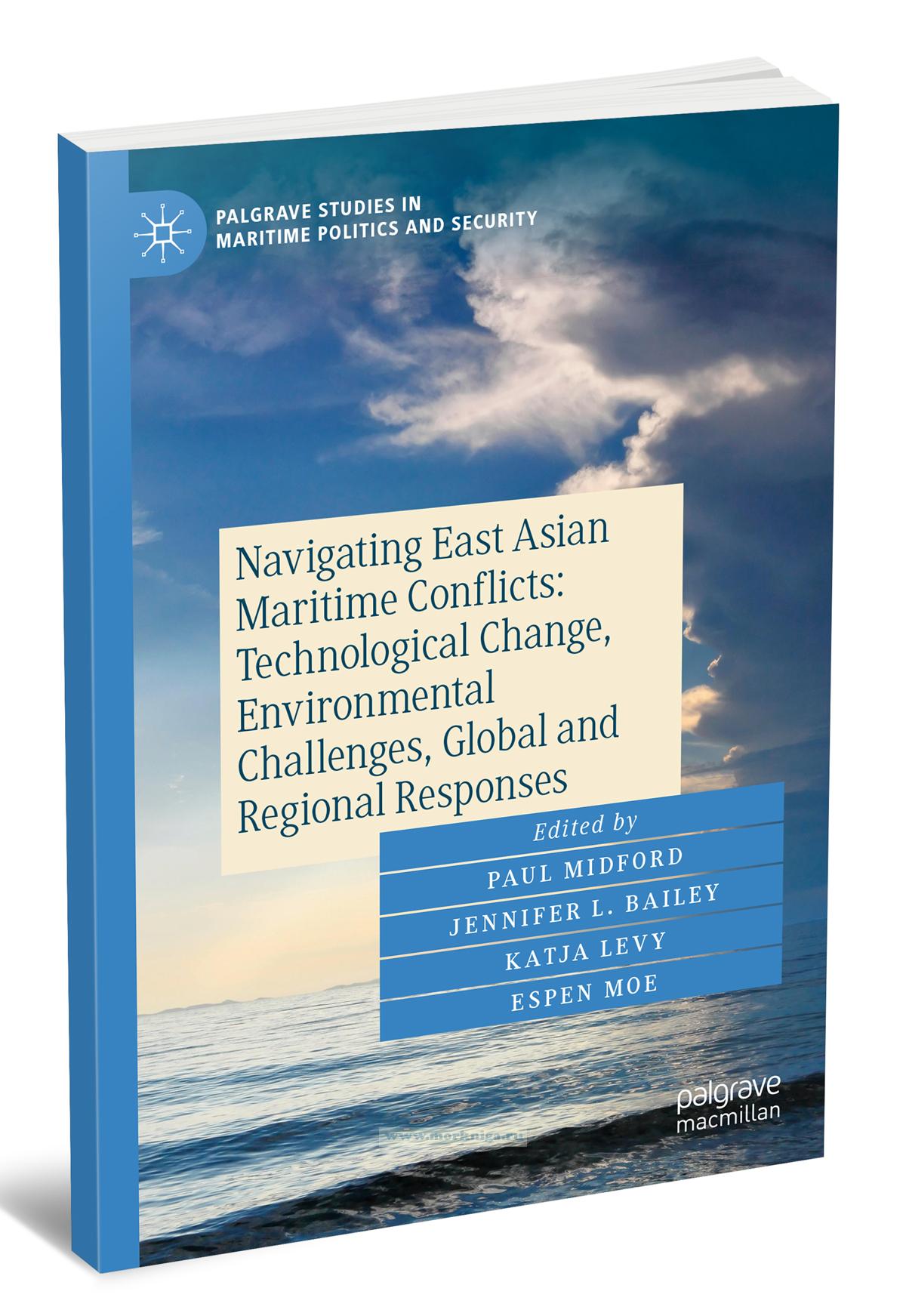
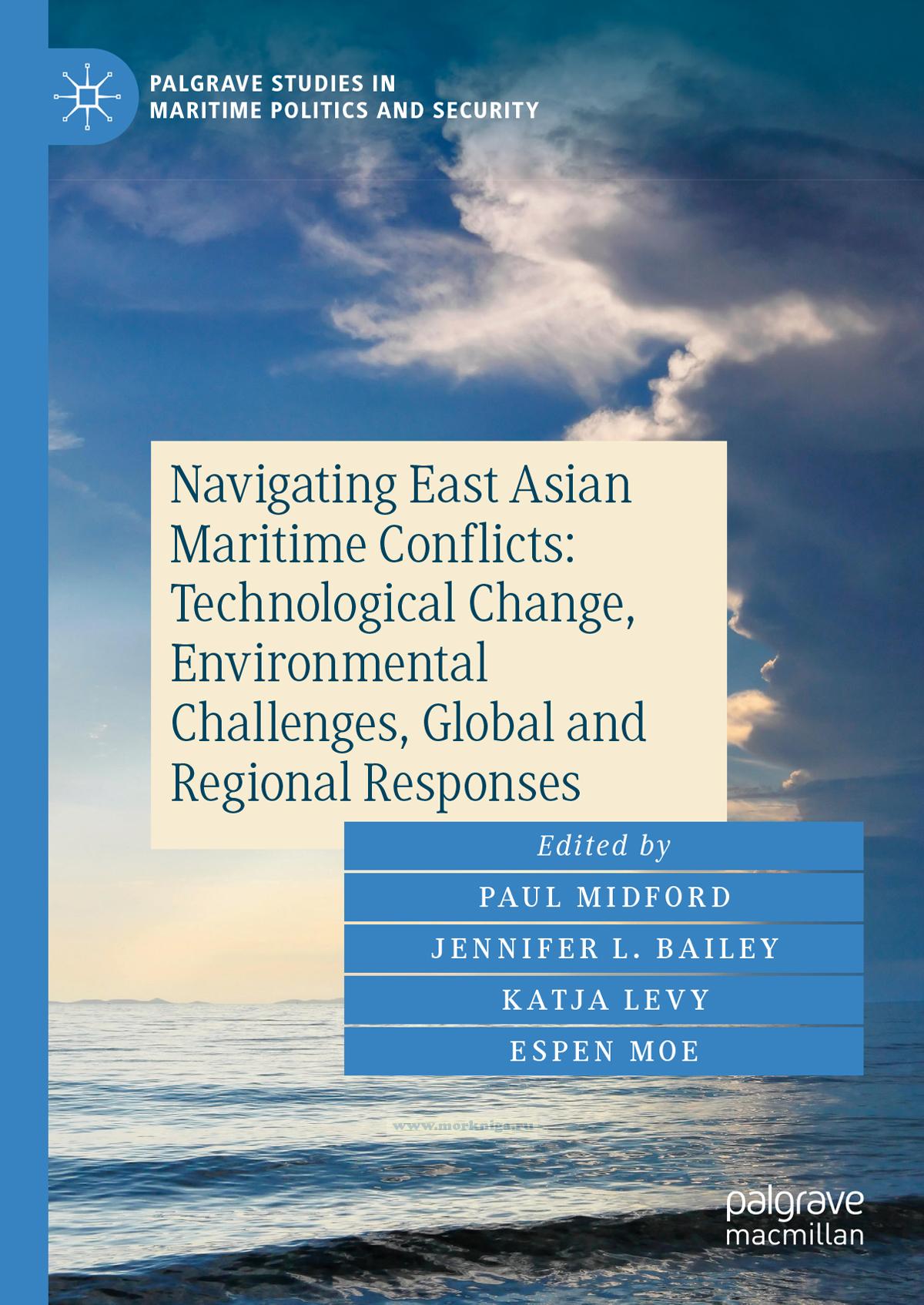
Navigating East Asian Maritime Conflicts: Technological Change, Environmental Challenges, Global and Regional Responses/Урегулирование морских конфликтов в Восточной Азии: технологические изменения, экологические вызовы, глобальные и региональные реакции
в избранное В наличии
Артикул: 00-01105886
Автор: Paul Midford, Jennifer L. Bailey, Katja Levy, Espen Moe
Издательство: Palgrave Macmillan (все книги издательства)
ISBN: 978-3-031-51988-8
Год: 2024
Переплет: Мягкая обложка
Страниц: 432
Вес: 1077 г
Издание на английском языке
The book is a study of maritime conflicts in East Asia, focusing on how technological advances affect the dynamics of these conflicts. It examines how modern technologies such as smart grids and monitoring systems enhance the ability of States to control and exploit marine resources, from fish to oil and rare earths. This, in turn, leads to increased tension and the risk of conflict between States seeking to protect their interests in strategically important waters. The authors of the book seek to analyze the key political issues facing Japan and identify their significance for other developed democracies, especially in Europe. The book highlights that Japan, like other countries, faces common challenges and suggests using shared values to overcome them. In addition, the work focuses on the importance of an interdisciplinary approach that combines natural and social sciences. This is necessary for a deep understanding of how technological change affects society, economics, and politics. The book also notes that the success of new technologies does not always depend only on their innovativeness, but also on social factors such as the perception of risks and benefits, as well as economic and political interests.
Contents
Part I Framework
1 Introduction
Paul Midford
2 The Law of the Sea and Its Relevance for Maritime Conflicts in East Asia
Natalie Klein
Part II Security Dimensions
3 Unmanned Maritime Systems and the Undersea Struggle in the South China Sea
Henrik Stalhane Hiim
4 Low Intensity Maritime Conflicts: Escalation Management and Technology
Tetsuro Doshita
5 Military Automation, Robotics, and Maritime Security: Understanding New Dynamics in Conflict Escalation
Christopher Lamont
Part III East Asian Maritime Competition and the Arctic
6 The Impact of Russia’s Ukraine Invasion on the Arctic: From Cooperation to Conflict? Andreas 0sthagen
7 China’s Arctic Strategy: From "Follow-Up" to "Creative Involvement"?
Xu Qingchao
8 Japan’s Arctic Policy: Science Diplomacy, Competition with China, and Renewable Energy
Paul Midford
Part IV Seabed Mining
9 Muddy Waters, Messy Places and Muddled Concepts: The Co-Production of Marine Resources, Sovereignty and Security in the Western Pacific
Mats Ingulstad
10 Japan’s Seabed Mining as a Cause and Result of East Asian Maritime Conflicts
Paul Midford
11 Limited Semi-Infinity: Japan’s Deep-Sea Resources Against the Backdrop of China’s Rare Earth
Carl Johannes Muth
Part V Fishing and Renewable Energy
12 China’s Digitalised Fishery Reforms and Its Implications on the East Asian Maritime Order
Chisako T. Masuo
13 Japan’s New Whaling Policy: Marine Management in an Evolving Security and Technological Setting
Jennifer L. Bailey
14 Offshore Wind in Japan: Energy Production and Conflict Reduction?
Espen Moe, Mathias Shabanaj Jankila, and Hiroshi Ohta
Part VI Conclusions
15 Conclusion: This Time Is Different! Or Is It? Insights on the Changing Relationship Between Technological Development and International Relations
Jennifer L. Bailey, Katja Levy, and Espen Moe
Index
Отзывы покупателей (0)
У этого товара пока нет отзывов. Поделитесь впечатлением первым.