

Каталог▲▼
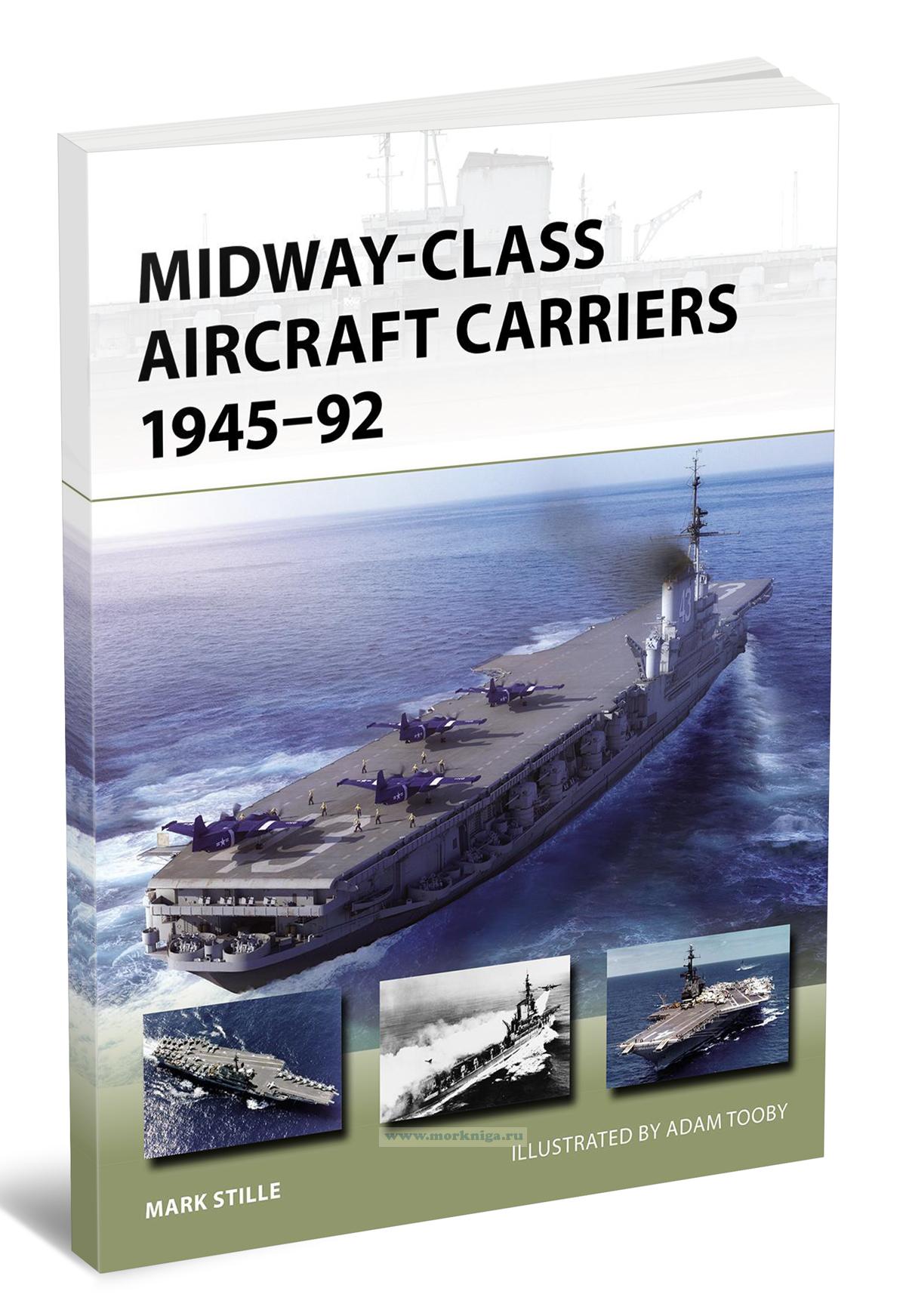
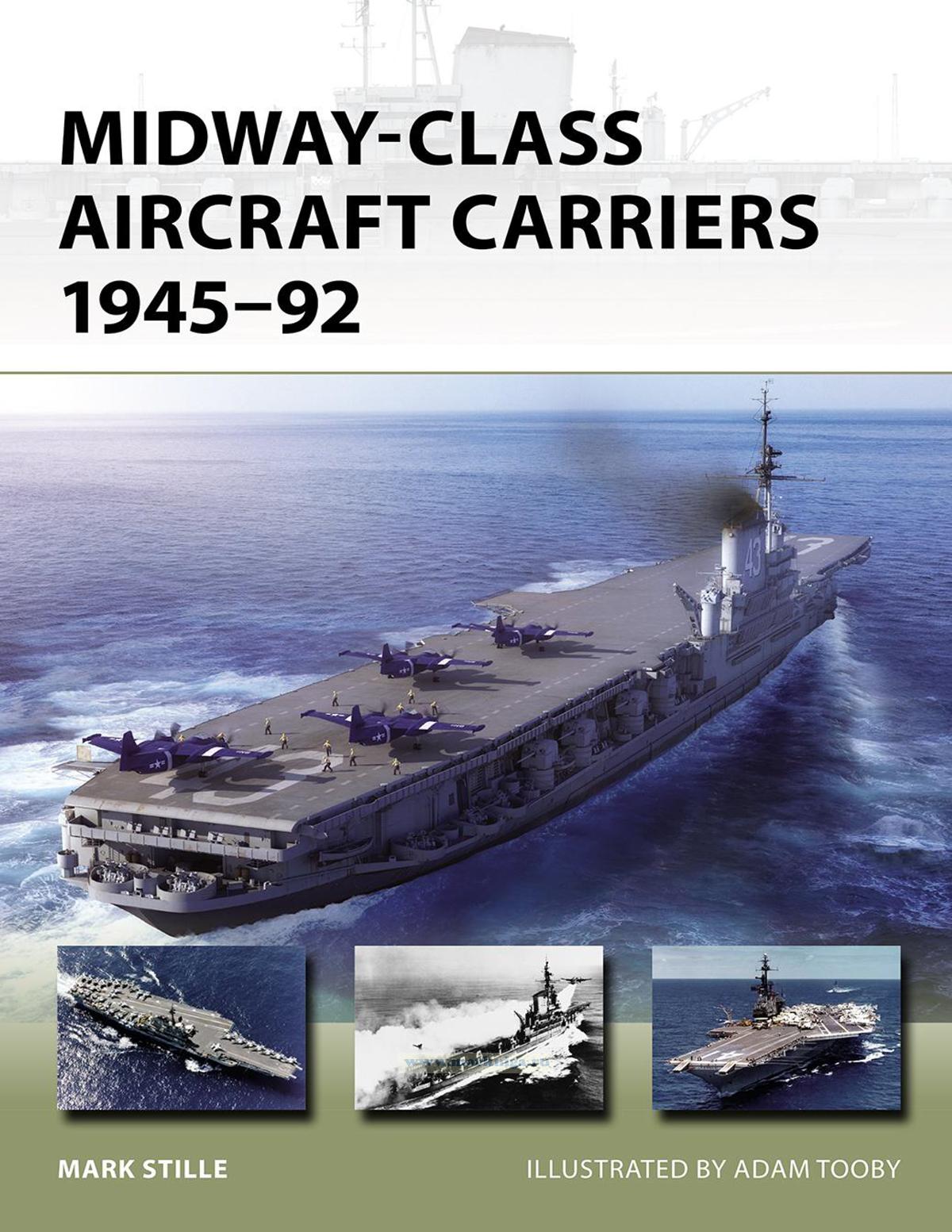
Midway-Class Aircraft Carriers 1945-92/Авианосцы класса "Мидуэй" 1945-92
Артикул: 00-01104553
в желания В наличии
Автор: M. Stille
Издательство: Osprey Publishing (все книги издательства)
Место издания: Oxford
Серия: New Vanguard
ISBN: 9781472860484
Год: 2024
Переплет: Мягкая обложка
Страниц: 79
Вес: 184 г
Издание на английском языке
The United States Navy implemented an extensive ship-building program during and after World War II, with a significant focus on aircraft carriers, particularly the Essex-class fleet carriers, which were prioritized for construction. A total of 14 Essex-class carriers were completed during the war, alongside additional light and escort carriers. Recognizing the limitations of the Essex class, the Navy initiated the development of a new, larger fleet carrier class, leading to the construction of the Midway-class carriers starting in 1943.
Three ships were ultimately completed: Midway (CVB-41), Franklin D. Roosevelt (CVB-42), and Coral Sea (CVB-43). These carriers were designed for modernization and capable of operating larger jet aircraft, earning them the designation of supercarriers. They served actively in various conflicts, including the Vietnam War and the Gulf War, with Midway being the last to decommission in 1992. Today, Midway is preserved as a museum ship in San Diego, California.
Contents
Introduction
Design and development
Origins of the Midway class
Midway-class modernization
Operational histories: 1945-92
Midway
Franklin D. Roosevelt
Coral Sea
Analysis and conclusion
Bibliography
About the author
About the illustrator
Отзывы покупателей (0)
У этого товара пока нет отзывов. Поделитесь впечатлением первым.