

Каталог▲▼
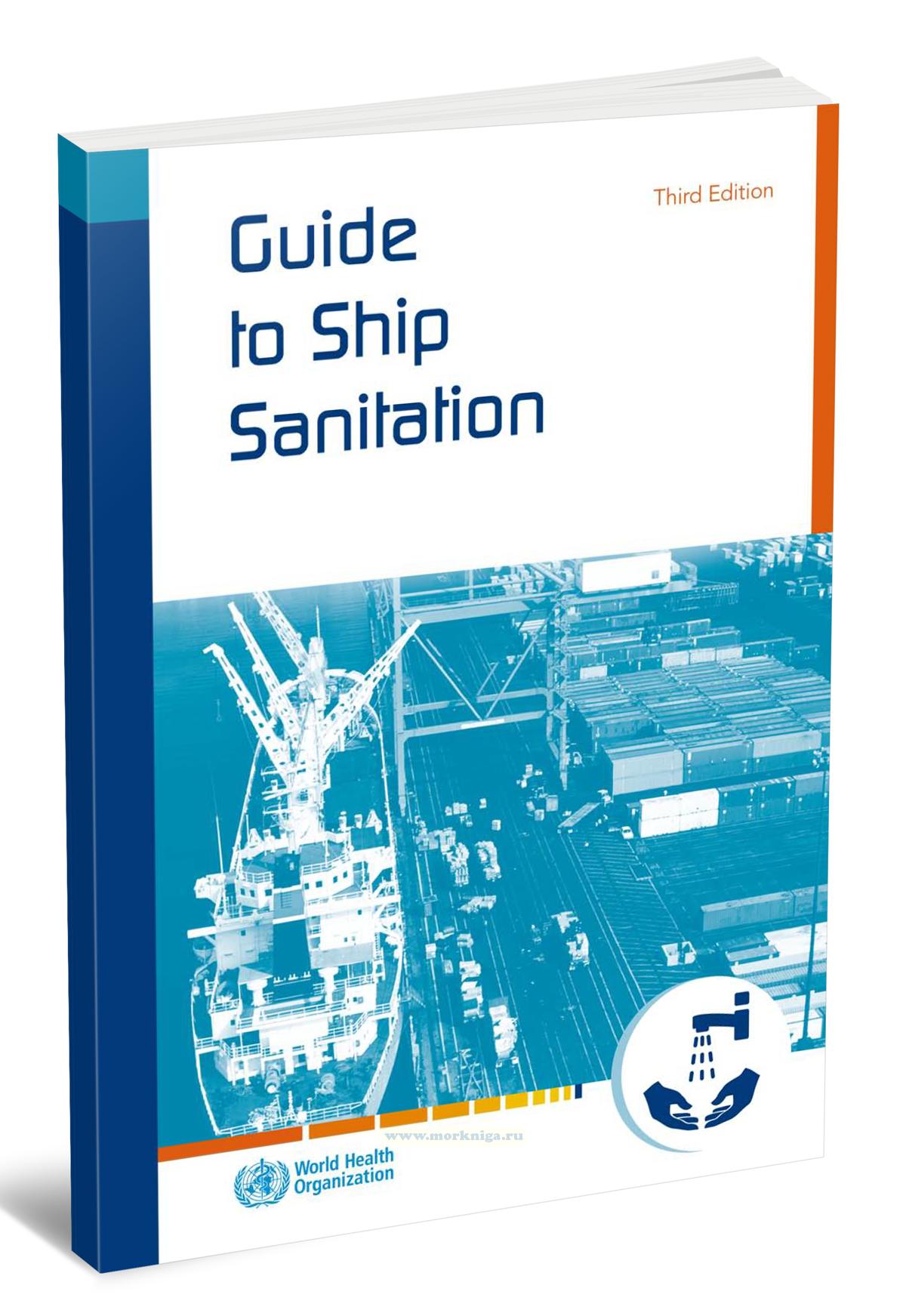
Guide to ship sanitation/Руководство по санитарной обработке судна


Артикул: 00-01104531
в желания В наличии
Автор: World Health Organization
Издательство: World Health Organization (все книги издательства)
Место издания: Geneva
ISBN: 978-92-4-154669-0
Год: 2011
Формат: А5 (148x210 мм)
Переплет: Мягкая обложка
Страниц: 170
Вес: 213 г
Издание на английском языке
The book is devoted to the issues of sanitation and health protection on ships, as well as the role of shipping in the spread of infectious diseases. It examines the historical importance of ships in the context of disease transmission, starting in the 14th century, when ports began to restrict access to ships suspected of carrying the plague.
The book also analyzes the current state of the navy, which consists of almost 100,000 vessels, and its impact on international trade and tourism. It mentions the international sanitary regulations in force since 1951 and their development to the International Sanitary Regulations (IHR) adopted by the World Health Organization (WHO).
The focus is on WHO recommendations on sanitary requirements for the construction and operation of ships, as well as the importance of appropriate control measures to prevent the spread of infections. The book also describes the process of developing and revising ship sanitation guidelines, including the involvement of experts and stakeholders.
Содержание
Foreword
Acknowledgements
Acronyms and abbreviations
1 Introduction
1.1 Significance of ships to health
1.2 Scope, purpose and objective
1.3 Harmonization with other international regulations
1.3.1 International Health Regulations
1.3.2 International Labour Organization
1.3.3 International Maritime Organization
1.4 Roles and responsibilities
1.4.1 Designer/constructor
1.4.2 Owner/operator
1.4.3 Master/crew
1.4.4 Port authorities
1.5 Structure of the Guide to ship sanitation
2 Water
2.1 Background
2.1.1 Standards related to potable water
2.1.2 Role of the International Health Regulations (2005)
2.1.3 Potable water sources from ashore and uses on board ships
2.1.4 Health risks associated with potable water on ships
2.1.5 Bottled water and ice
2.1.6 Definitions, overview and objectives of water safety plans
2.2 Guidelines
2.2.1 Guideline 2.1: Water safety plan for shore supplies, delivery system and bunker boats or barges
2.2.2 Guideline 2.2: Water quantity
2.2.3 Guideline 2.3: Water safety plan for ship water supply
2.2.4 Guideline 2.4: Independent surveillance
3 Food
3.1 Background
3.1.1 Food supply and transfer chain
3.1.2 Health risks associated with food on ships
3.1.3 International Health Regulations (2005)
3.1.4 Overview of food safety plans, and hazard analysis and critical control points
3.2 Guidelines
3.2.1 Guideline 3.1: Food safety plans
3.2.2 Guideline 3.2: Food receipt
3.2.3 Guideline 3.3: Equipment and utensils
3.2.4 Guideline 3.4: Materials
3.2.5 Guideline 3.5: Facilities
3.2.6 Guideline 3.6: Storage, preparation and service spaces
3.2.7 Guideline 3.7: Toilet and personal hygiene facilities
3.2.8 Guideline 3.8: Dishwashing
3.2.9 Guideline 3.9: Safe food storage
3.2.10 Guideline 3.10: Maintenance, cleaning and disinfection
3.2.11 Guideline 3.11: Personal hygiene
3.2.12 Guideline 3.12: Training
3.2.13 Guideline 3.13: Food wastes
4 Recreational water environments
4.1 Background
4.1.1 Health risks associated with recreational water environments on ships
4.1.2 Recreational water environment guidelines
4.2 Guidelines.
4.2.1 Guideline 4.1: Design and operation
4.2.2 Guideline 4.2: Pool hygiene
4.2.3 Guideline 4.3: Monitoring
5 Ballast water
5.1 Background
5.1.1 Health risks associated with ballast water on ships
5.1.2 Standards
5.2 Guidelines
5.2.1 Guideline 5.1: Ballast water management
5.2.2 Guideline 5.2: Ballast water treatment and disposal
6 Waste management and disposal
6.1 Background
6.1.1 Health risks associated with wastes on ships
6.1.2 Standards
6.2 Guidelines
6.2.1 Guideline 6.1: Sewage and greywater management
6.2.2 Guideline 6.2: Solid waste management
6.2.3 Guideline 6.3: Health-care and pharmaceutical waste management
7 Vector and reservoir control
7.1 Background
7.1.1 Health risks associated with vectors on ships
7.1.2 Standards
7.2 Guidelines
7.2.1 Guideline 7.1: Insect vector control
7.2.2 Guideline 7.2: Rodent vector control
8 Controlling infectious diseases in the environment
8.1 Background
8.1.1 Health risks associated with persistent infectious agents on ships
8.2 Guidelines
8.2.1 Guideline 8.1: Transmission routes
8.2.2 Guideline 8.2: Air quality
8.2.3 Guideline 8.3: Cases and outbreaks
Annex Examples of hazards, control measures, monitoring procedures and corrective actions for the ship water supply system
Glossary
References
Отзывы покупателей (0)
У этого товара пока нет отзывов. Поделитесь впечатлением первым.