

Каталог▲▼
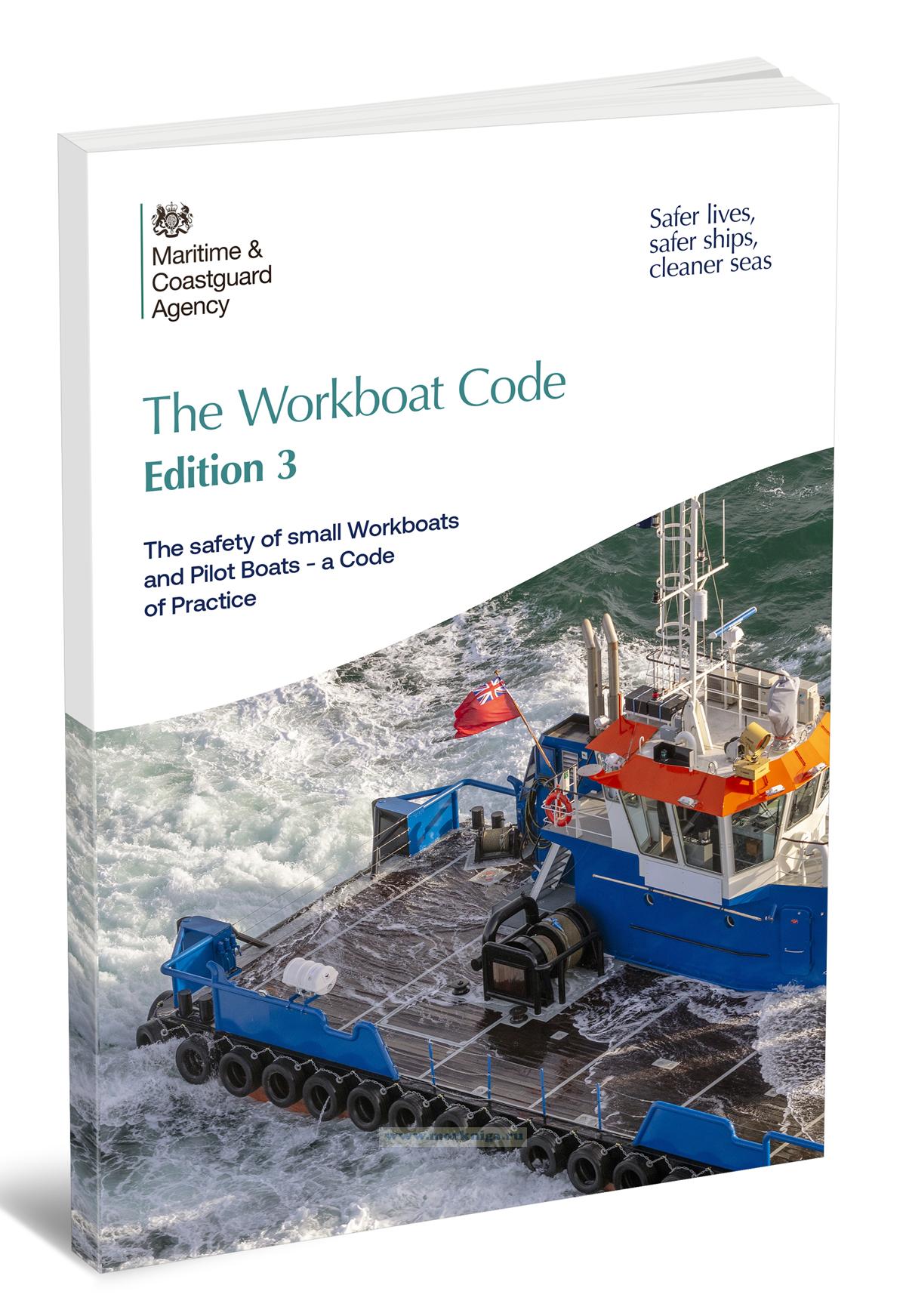
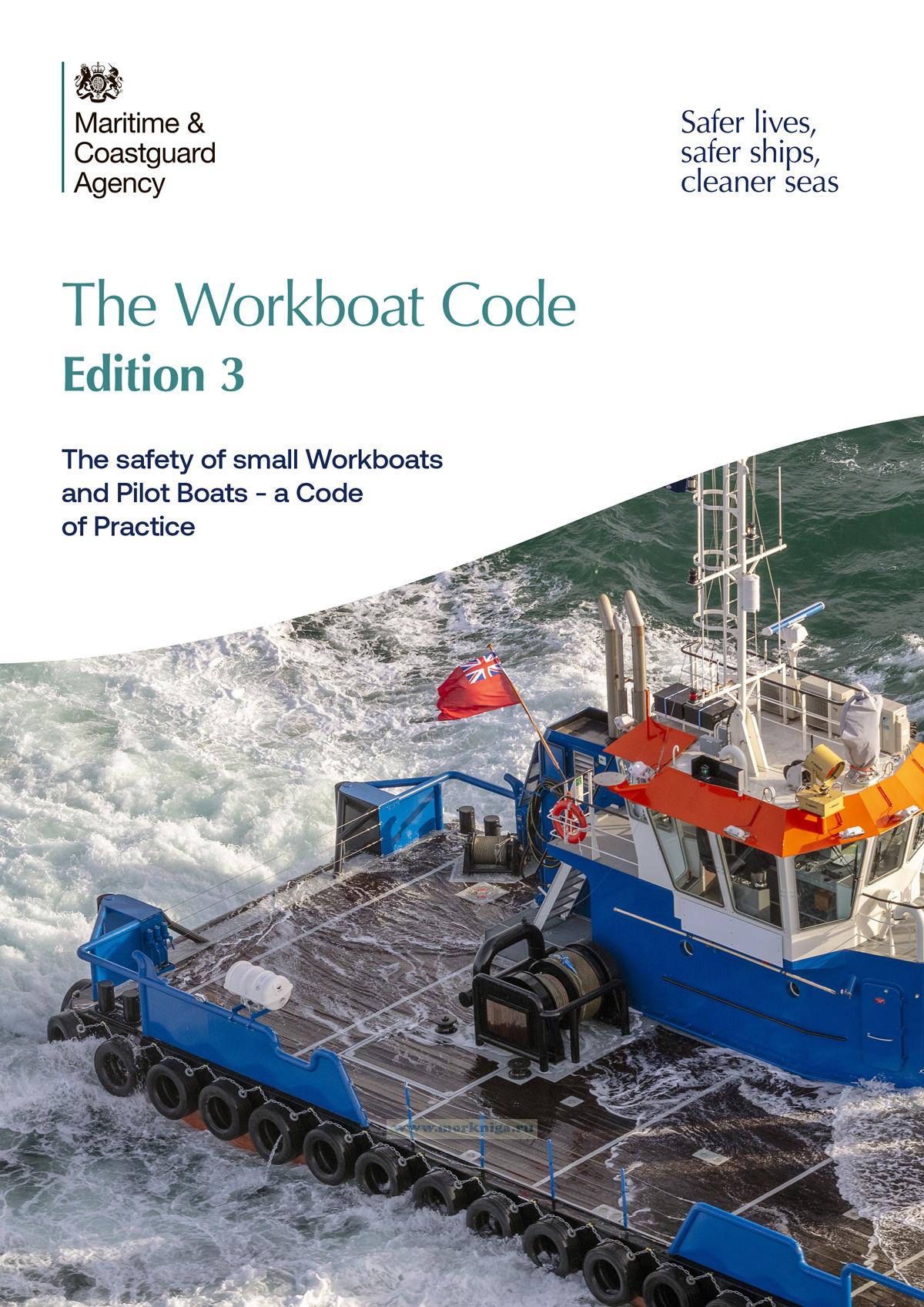
The Workboat Code. Edition 3. The safety of small Workboats and Pilot Boats - a Code of Practice/Кодекс поведения на рабочих судах. Издание 3. Безопасность малых рабочих судов и лоцманских катеров - свод практических правил
Артикул: 00-01026488
в желания В наличии
Издательство: Maritime and Coastguard Agency (все книги издательства)
Год: 2023
Формат: А4 (210x290 мм)
Переплет: Мягкая обложка
Страниц: 290
Вес: 694 г
С этим товаром покупают
 Day Skipper Handbook - for Motor Cruisers
  RYA Diesel Engine Handbook Руководство по яхтенным дизельным двигателям. На английском языке
 Издание на английском языке
The Code applies to working vessels, including specialized pilot boats that operate at sea or in certain waters. It covers commercial vessels, but does not apply to vessels used for recreational purposes. The Code may also apply to barges and pontoons under tow, but does not apply to tankers and cargo ships carrying bulk cargoes. The Code includes requirements for crewed vessels and for unmanned vessels operated remotely, and emphasizes that such vessels must meet the safety standards expected of them both by the public and in accordance with UK laws and international standards. It is based on the 2023 Regulations, which establish the legal framework for certification and compliance with the requirements for vessels. The Code replaces previous versions and includes requirements for the design, construction and equipment of ships, as well as for the qualifications of the crew. An important aspect is the need to comply with local regulations and requirements, which may vary depending on the region. The Code can also be applied voluntarily to non-British vessels operating abroad, and provides information on the necessary requirements and procedures to comply with them. In general, the document serves as a complete guide for ship owners and operators, ensuring safety and compliance with modern standards.
Contents
1. Foreword
2. Definitions
3. Application, Interpretation and Certification
4. Certification and Examinations
5. Construction and Structural Strength
6. Weathertight Integrity
7. Water Freeing Arrangements
8. Machinery, Propulsion and Fuel Systems
9. Electrical Installations
10. Steering, Rudder and Propulsion Systems
11. Bilge Pumping
12. Stability
13. Freeboard and Freeboard Marking
14. Life-Saving Appliances
15. Fire Safety
16. Fire Appliances
17. Radiocommunications Equipment
18. Navigation Lights, Shapes and Sound Signals
19. Navigation
20. Anchors and Cables
21. Accommodation and Recreational Facilities
22. Protection of Personnel
23. Medical Care
24.2 Tenders
25. Cargo Carrying, Lifting, High Speed and Bow Push Up Operations
26. Towing and Non-Self-Propelled Vessels
27. Dedicated Pilot Boats and Workboats with a Pilot Boat Endorsement
28. Manning
29. Carriage and Transfer of Dangerous Goods
30. Prevention of Pollution
31. Safety Management
32. Appendix 1
Alternative Compliance Standards for Manned Rigid Inflatable Boats and Open Boats Wishing to Operate Outside the Hours of Daylight Within Area Category 3 or 5
33. Appendix 2
2A Liquid Petroleum Gas Installation for Domestic Marine Use
2B On Board Instructions and Information for Fired Heating Appliances
34. Appendix 3
Stability Information Booklet Contents
35. Appendix 4
Use of ISO “First of Type” Righting Moment Curve for Stability Assessment
36. Appendix 5
Safe Manning
37. Appendix 6
United Nations Hazard Classes and IMDG Code Labels and Placards
38. Appendix 7
Oil Pollution Prevention
39. Appendix 8
Safety Management System
40. Appendix 9
Transitional Arrangements
41. Appendix 10
Sample Certificates
42. Annex 1
Alternative Fuels and Propulsion Systems
43. Annex 2
Remotely Operated Unmanned Vessels
Отзывы покупателей (0)
У этого товара пока нет отзывов. Поделитесь впечатлением первым.